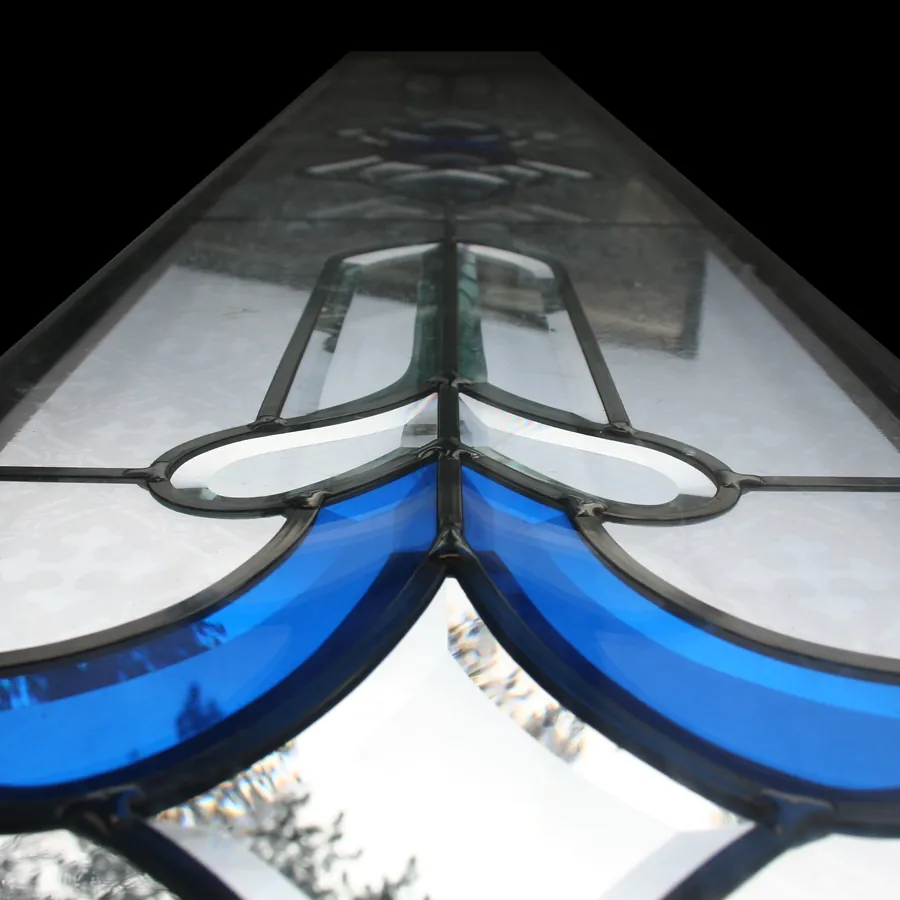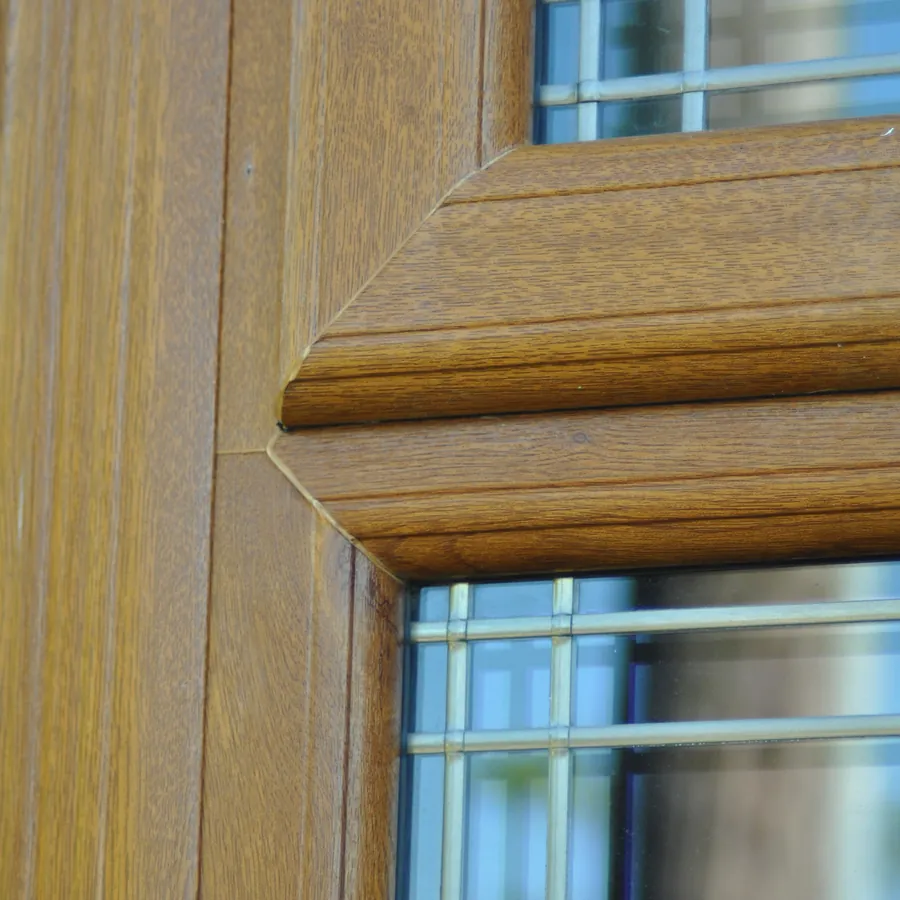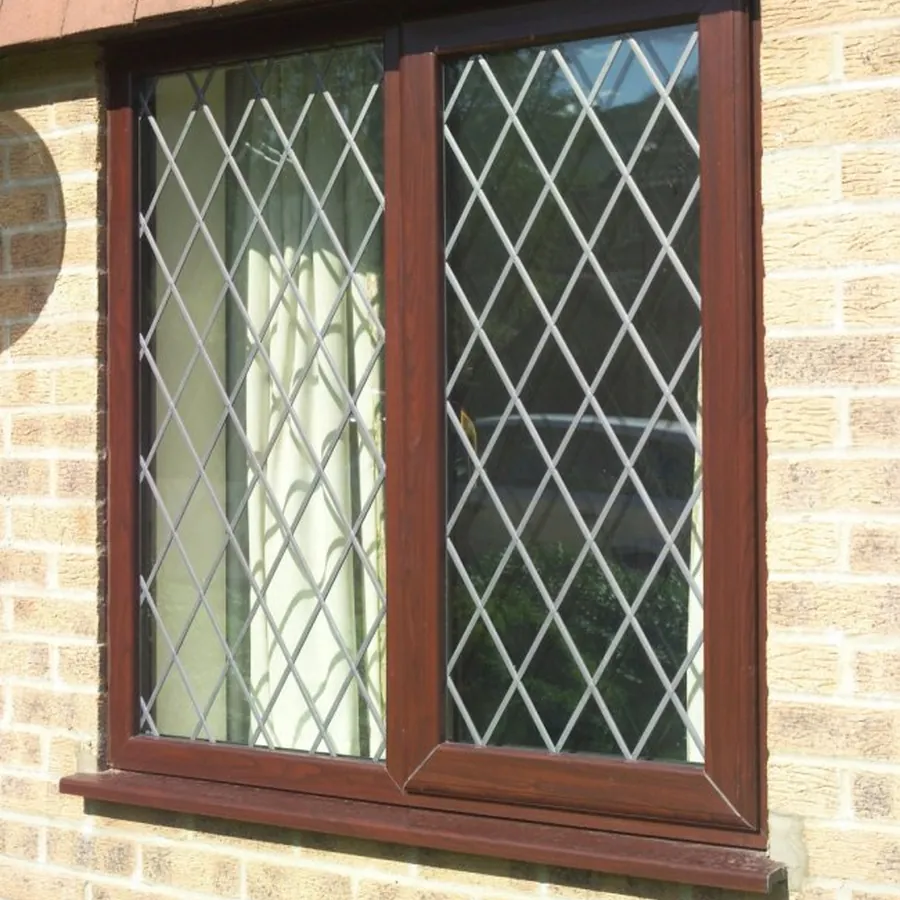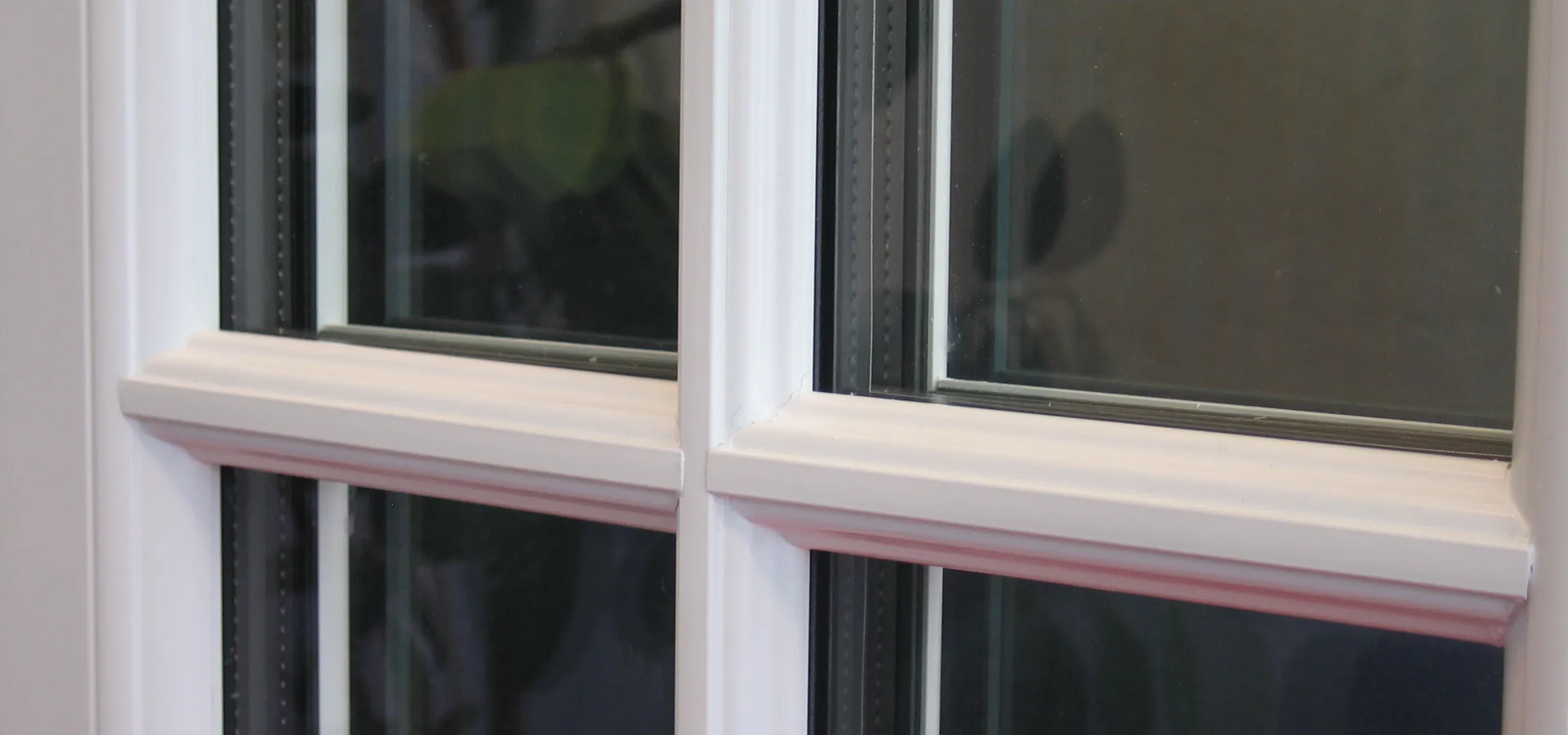
We supply and fit security glazing in Clerkenwell for shops, banks, offices, schools, surgeries, pharmacies and public buildings. This page is for business owners, landlords and facilities managers who need glass that keeps people out, protects staff and stays in place when it is hit.
We explain the main types of security glass, the test ratings, why the frame matters as much as the glass, what drives the cost and how to choose the right level for your site. Our fitters are FENSA registered, and the work carries a 10-year guarantee. See our commercial glazing page for the full range, or our double glazing home page for homes.
What Security Glazing Does
Normal glass breaks into sharp shards and leaves an open hole. Toughened glass is stronger, but it still breaks into small pieces and falls out of the frame. Neither stops a break-in for long.
Security glass is built to stay in one piece. Most types are laminated. Two or more sheets of glass are bonded to a tough plastic layer. When the glass is hit, it may crack, but the layer holds the pieces together and the pane stays in the frame. A thief has to keep hitting the same spot to make a hole, which takes time and makes noise.
That delay is the point. It gives your alarm time to sound, your staff time to act and the police time to arrive. It also protects people from flying glass in an accident, a storm or an attack.
Types of Security Glazing
We fit a range of glass to match the level of risk:
- Laminated safety glass: two sheets bonded to a thin layer. It holds together if broken and is the base level for doors and low panes.
- Anti-bandit glass: thicker laminated glass with several layers. It resists repeated blows from hammers, bricks and bars.
- Bullet-resistant glass: thick multi-layer glass, often with polycarbonate, for banks, post offices, petrol station kiosks and secure counters.
- Blast-resistant glass: built to stay in the frame after a blast, cutting the risk of injury from flying glass.
- Polycarbonate glazing: a clear plastic that is very hard to break. It suits schools, sports halls and places at risk of vandals.
- Security film: a clear film fixed to existing glass. It holds broken glass together and is a lower cost first step, though it is not as strong as laminated glass.
Security glass can be part of a double glazed unit, so you keep good heat and sound control. It can also be tinted, obscured or combined with solar control glass.
Test Ratings Explained
Security glass is tested to British and European standards. The rating tells you what the glass can resist:
- BS EN 12600: impact safety. It shows how glass breaks when a person falls against it. This is the basic safety level for doors and low panes.
- BS EN 356, classes P1A to P5A: a steel ball is dropped onto the glass from set heights. A higher class takes more drops from higher up.
- BS EN 356, classes P6B to P8B: the glass is hit with an axe. A higher class takes more blows before a hole is made. These are the anti-bandit grades.
- BS EN 1063: bullet resistance, from handguns to rifles.
- BS EN 13541: blast resistance.
We match the class to your risk. A small office may need P2A in its ground floor windows. A jeweller or phone shop may need P6B or higher in its display. A bank counter may need a bullet-resistant grade.
Why the Frame Matters
Strong glass is no use in a weak frame. If the glass can be pushed out in one piece, or the beads can be prised off from outside, a thief will go round the glass, not through it.
We fit security glass in frames built to hold it:
- internal beads, so the glass cannot be removed from outside;
- deep rebates and strong glazing tape or silicone to bond the pane in;
- steel or thick aluminium frames tested to standards such as PAS 24 or LPS 1175;
- multi-point locks and hinge bolts on doors.
Our aluminium doors can take laminated and anti-bandit glass and have multi-point locks. For powered entrances, our automatic doors can also be fitted with laminated glass and electric locks.
Where Businesses Use Security Glazing
- Shop fronts and displays: to protect stock and stop ram raids and smash and grab attacks. See our shop front glazing page.
- Counters and kiosks: to protect staff who handle cash or drugs, in banks, post offices, pharmacies and fuel stations.
- Schools and nurseries: laminated or polycarbonate glass in doors and low panes keeps children safe.
- Offices and data rooms: to protect costly kit and private files.
- Reception areas: screens that protect front desk staff in councils, clinics and housing offices.
What Drives the Cost of Security Glazing
We do not quote set prices online, because the right spec depends on your risk and your frames. You get a written, fixed quote after a free survey. Book yours on our get a quote page. The cost depends on:
- Rating: higher classes need thicker glass with more layers, which costs more.
- Size and weight: security glass is heavy. Large panes may need extra fitters or lifting gear.
- Frames: if your frames cannot hold the new glass, they will need to be replaced or made stronger.
- Glass build-up: adding double glazing, solar control or tint to security glass adds to the price.
- Access: upper floors, busy streets and out of hours work add time.
- Number of panes: larger jobs can lower the cost per pane.
Payment stages are set out in the written quote.
How We Fit Security Glazing
We start with a free survey. We look at the risk, check the frames and measure every pane. We then advise on the right glass class and whether the frames are strong enough. All glass is made to size, so we measure with care.
On the day, we take out the old glass, prepare the frame, set the new pane with security tape or silicone and fix internal beads. We can work after hours so your business stays open and is never left without glass overnight. The full process is on our how we work page. To learn more about our team, visit our about us page.
Frequently Asked Questions
How does security glazing make our premises safer?
It slows down anyone trying to get in. Laminated glass holds together when hit, so a thief has to keep striking it to make a hole. That takes time and makes noise, which gives your alarm and staff time to act. It also stops sharp glass from falling on people after an accident, storm or attack.
Can security glazing be fitted to our existing frames?
Sometimes. Security glass is thicker and heavier than normal glass, so the frame must have deep enough rebates and be strong enough to hold it. The beads should be on the inside. We check this at the survey. If your frames are not up to it, we can make them stronger or fit new frames built for the glass.
What maintenance does security glazing need?
Very little. Clean it with a soft cloth and a mild glass cleaner. Avoid rough pads, which can scratch the surface. Check the seals and beads once a year. If a pane is cracked after an attack, it will still hold together, but you should replace it soon, as it will not resist a second attack as well.
Are there Building Regulations for security glazing?
Approved Document K covers safety glass in doors, side panels and low panes. Glass in these places must meet impact safety standards such as BS EN 12600. There is no general rule that a business must fit anti-bandit glass, but your insurer may ask for a set class. We can give you test certificates for your insurer and records.
Does security glazing cut out daylight?
No. Laminated security glass is clear and lets in almost as much light as normal glass. Very thick bullet-resistant glass can have a slight green tint. If you want privacy or less glare, we can add tint, obscure glass or solar control glass to the build-up, but that is your choice, not a side effect.