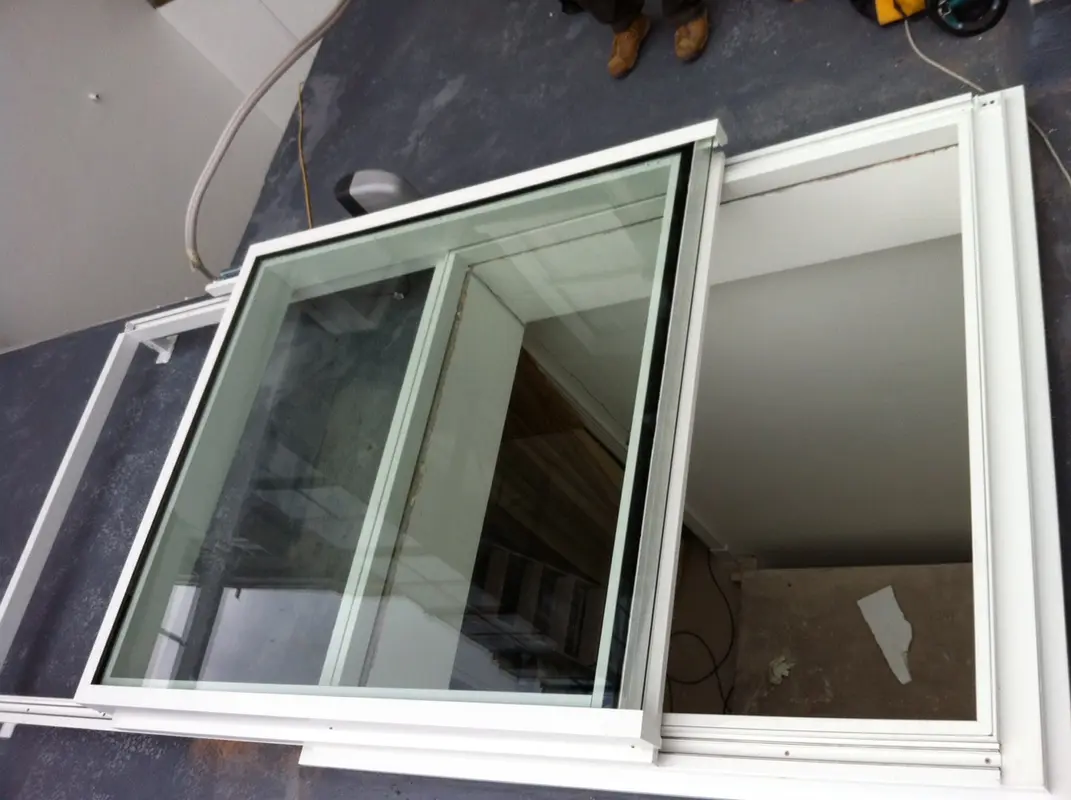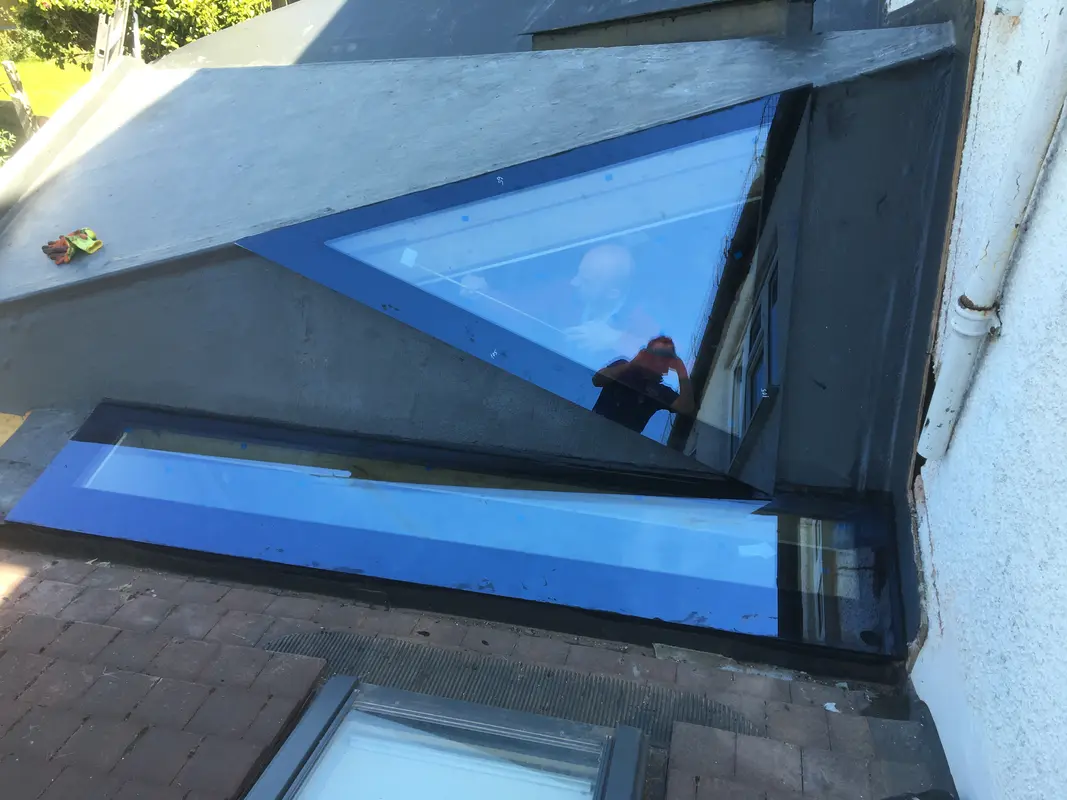
We supply and fit electric skylights in Clerkenwell for homes where the glass is too high to reach by hand. If you have a vaulted ceiling, a loft room or a flat roof over a kitchen, this page is for you. It explains the types we fit, how the controls work, what drives the cost and how to look after the motor.
An electric skylight opens and closes at the press of a button. It lets out warm, stale air from the top of a room, where it gathers. A rain sensor shuts it when the weather turns, so you can leave it open with peace of mind. All our work is carried out by FENSA registered fitters and comes with a 10-year guarantee.
Electric skylights are one part of our wider double glazing service in Clerkenwell. You can see every roof glazing option on our main skylights page.
Types of Electric Skylight We Fit
Most electric skylights fall into one of three groups. The right one depends on your roof pitch and the room below.
- Pitched roof windows with a motor. These sit in the slope of a tiled or slated roof. They suit loft rooms, attic bedrooms and vaulted ceilings. Many centre-pivot roof windows can be fitted with a motor from new.
- Flat roof skylights with a motor. These sit on an upstand on a flat roof. The glass lifts up on a hinged arm to let air out. See our page on flat roof skylights for the fixed versions.
- Opening vents in roof lanterns. A lantern can have one or two panes that open on a motor. This gives a bright extension a way to vent heat in summer. Our roof lanterns page covers the frame and glass choices.
We also fit electric opening vents in the roof of an orangery, where heat can build up fast on a sunny day.
How the Motor, Sensors and Controls Work
Each skylight has a small chain or spindle motor fixed to the frame. It pushes the sash open and pulls it shut. The motor runs from mains power, a low-voltage supply or, on some models, a solar panel with a battery.
You can run the skylight in a few ways:
- Wall switch. A simple up and down switch near the door. Good for a kitchen or hall.
- Remote control. A hand-held keypad that can run several skylights and blinds at once.
- Phone app or smart speaker. Some systems link to a home hub, so you can open the glass from your phone or by voice.
- Timer. Set the skylight to open for an hour each morning to air the room.
A rain sensor sits on the outside of the frame. When the first drops land, it tells the motor to close. Some models also have a wind sensor and a heat sensor. These open the glass when the room gets too warm and shut it in strong gusts.
Built-in blinds can run on the same motor. Blackout blinds suit bedrooms. Pleated or Venetian blinds cut glare in a kitchen or home office.
Where an Electric Skylight Works Best
A manual skylight is fine if you can reach the handle. Once the glass is more than about two metres above the floor, a pole or a ladder soon becomes a chore. That is where a motor earns its keep.
Good places for an electric skylight include:
- Vaulted living rooms and kitchens with high, sloping ceilings.
- Flat roof extensions where the glass is at the far end of the room.
- Stairwells and landings, where hot air rises and gets trapped.
- Bathrooms and en-suites, where steam needs a quick way out.
- Loft rooms where you want to vent heat while you are out.
If you only want light and have no need to open the glass, a fixed unit costs less. In a room with no roof space above, such as a hall or a box room, a sun tunnel may be the better fit.
How We Fit an Electric Skylight
The work starts with a free survey. We check the roof pitch, the rafters or joists, the roof covering and where the power will come from. We then give you a written, fixed quote. Our full process, from survey to aftercare, is set out on our how we work page.
On a pitched roof, we strip back the tiles or slates and cut a neat opening between the rafters. If the window is wider than the rafter gap, we add a trimmer to carry the load. The frame goes in with a flashing kit that seals it to the roof. We then make good the tiles, insulate around the frame and line the inside.
On a flat roof, the skylight sits on a timber or plastic upstand. We bond the roof covering to the upstand so water runs away from the glass. The motor and sensor are fixed to the frame and wired back to the switch.
The power supply must be safe. A short run from a fused spur is common. Where new wiring is needed, it is done by a qualified electrician and signed off.
What Drives the Cost of an Electric Skylight
We do not quote prices online, as no two roofs are the same. Every job gets a written, fixed quote after a free survey. You can book yours on our get a quote page. The main things that affect the price are:
- Size. Larger glass needs a bigger frame, more flashing and a stronger motor.
- Roof type. A pitched roof with tiles needs different work to a flat roof with felt or rubber.
- Glass spec. Triple glazing, laminated inner panes and solar control glass all add to the cost.
- Controls. A wall switch is the simplest. Smart hubs, timers and extra sensors add a little more.
- Blinds. Built-in electric blinds add to the cost but save fitting them later.
- Power supply. A nearby spur keeps costs down. A long cable run or a new circuit adds time.
- Access. A high roof may need a scaffold tower or full scaffold.
Payment stages are set out in your written quote, so you know what is due and when.
Planning Permission and Building Regulations
Most rooflights fall under permitted development. The glass must not stick out more than 150 mm from the roof plane. It must not be higher than the highest part of the roof. Side-facing windows may need obscure glass. Listed buildings, flats and homes in conservation areas have stricter rules, so check with your council first.
Building Regulations apply to all new rooflights. The unit must meet the Part L limit for heat loss. For a new rooflight in an existing home, that limit is 2.2 W/m²K. Most of the units we fit do far better than that. Where a rooflight serves a loft room, it may also need to work as an escape window. We check this at the survey.
As a FENSA member, we can self-certify replacement work. You get a certificate when the job is done.
Care and Servicing
An electric skylight needs very little upkeep. A few simple checks keep it working well:
- Wipe the rain sensor clean every few months. Dirt can stop it working.
- Clean the glass with warm, soapy water and a soft cloth. Self-cleaning glass needs only a rinse.
- Clear leaves and moss from around the frame and flashing.
- Open and close the skylight once a week in winter so the seals do not stick.
- Change the remote control battery when the range drops.
If the motor hums but does not move, switch off the power and call us. Do not force the sash by hand.
Frequently Asked Questions
Can electric skylights be installed in existing roofs?
Yes. Most of our electric skylights go into roofs that are already in place. We cut a new opening, trim the rafters or joists if needed and fit the frame with a matching flashing kit. In many cases we can also add a motor to a manual roof window you already have, as long as the model supports it. We check the roof structure and the power supply at the free survey.
What maintenance do electric skylights require?
Very little. Keep the rain sensor clean so it can spot the first drops. Wash the glass a few times a year and clear leaves from the frame. Run the skylight now and then so the seals and hinges stay free. If the motor sounds strained or stops part way, switch it off and call us. We can service the motor and check the wiring.
Are electric skylights safe during storms?
Yes, when they are fitted and sealed well. The rain sensor closes the glass as soon as it gets wet, even if you are out. A wind sensor can be added to shut it in strong gusts. The frame, flashing and glass are built to take heavy rain, hail and snow loads. Laminated glass on the inner pane adds extra safety.
How do you control electric skylights remotely?
You can use a wall switch, a hand-held remote or a phone app. Many systems link to a home hub, so you can open or close the glass while you are away. Some work with smart speakers for voice control. You can also set timers to air a room at set times each day. We set up the controls for you on the day we fit them.
What happens if there is a power cut?
The skylight stays where it was when the power went off. If it was open and rain is due, most models let you close the sash by hand with a release key. Solar powered skylights have a battery, so they keep working for a while without mains power. We show you how the manual release works when we hand the job over.