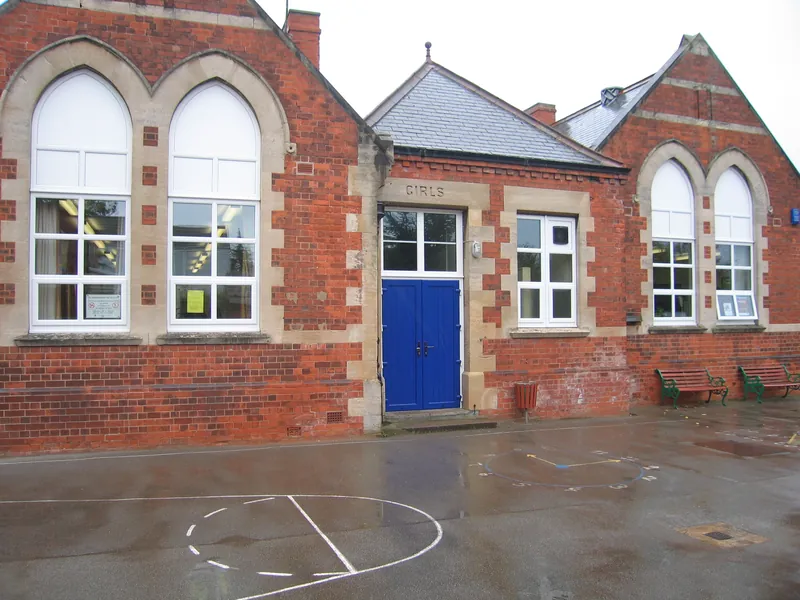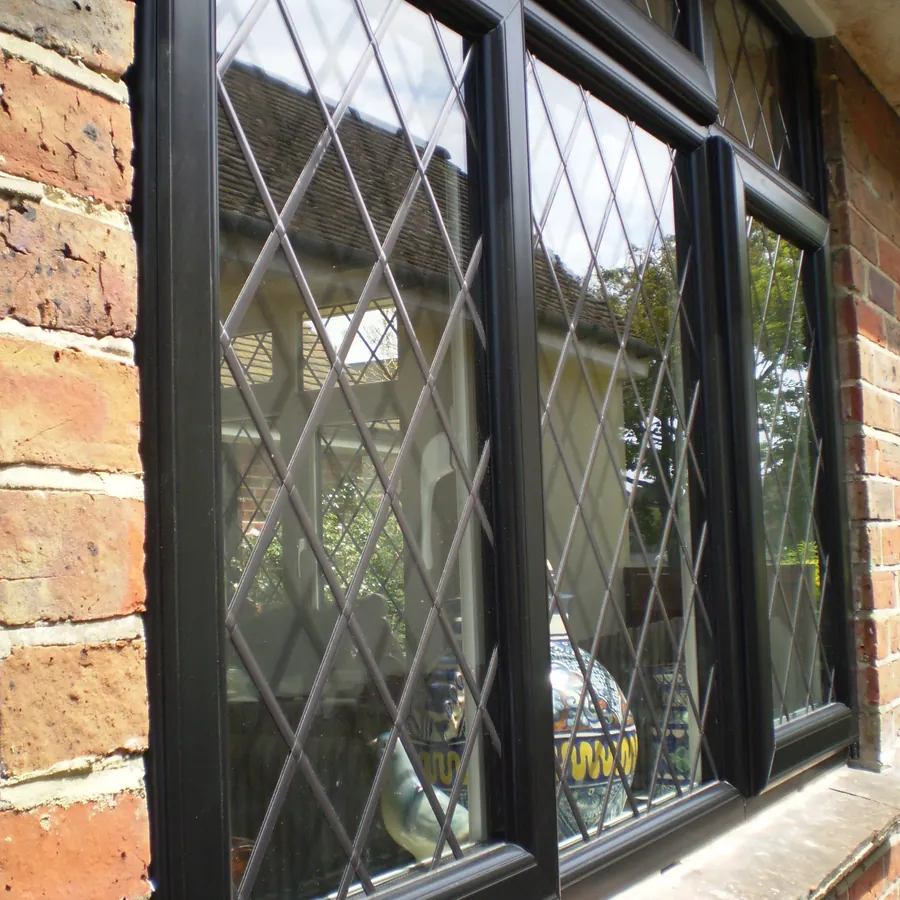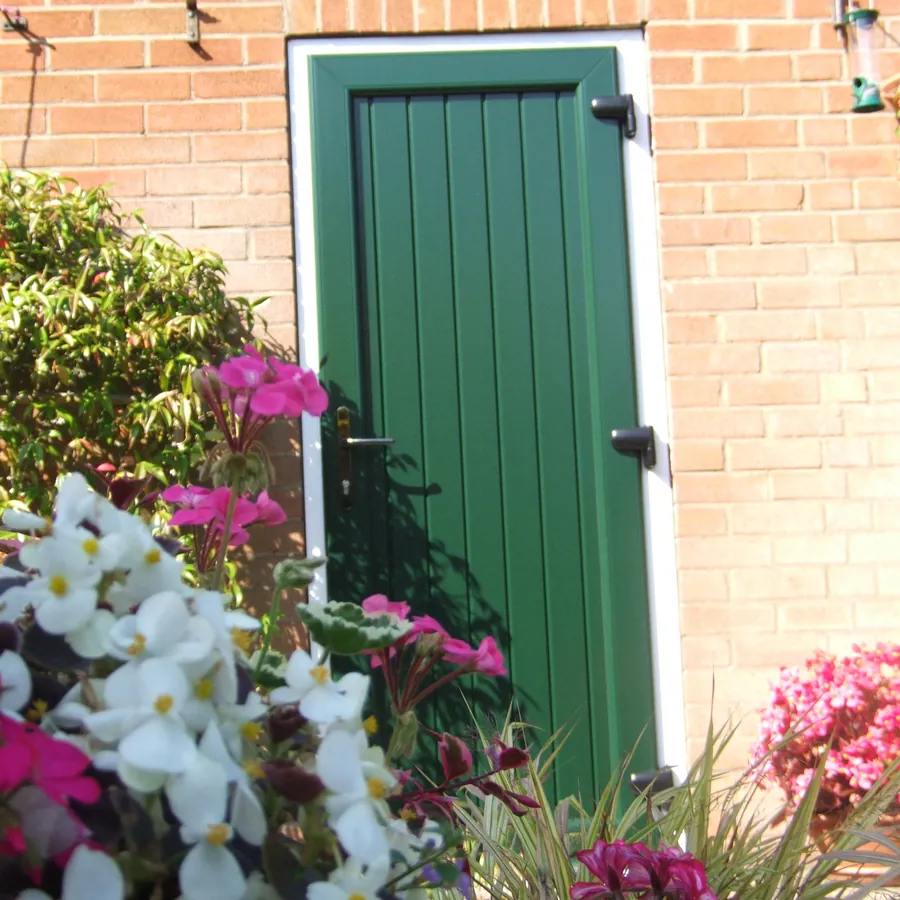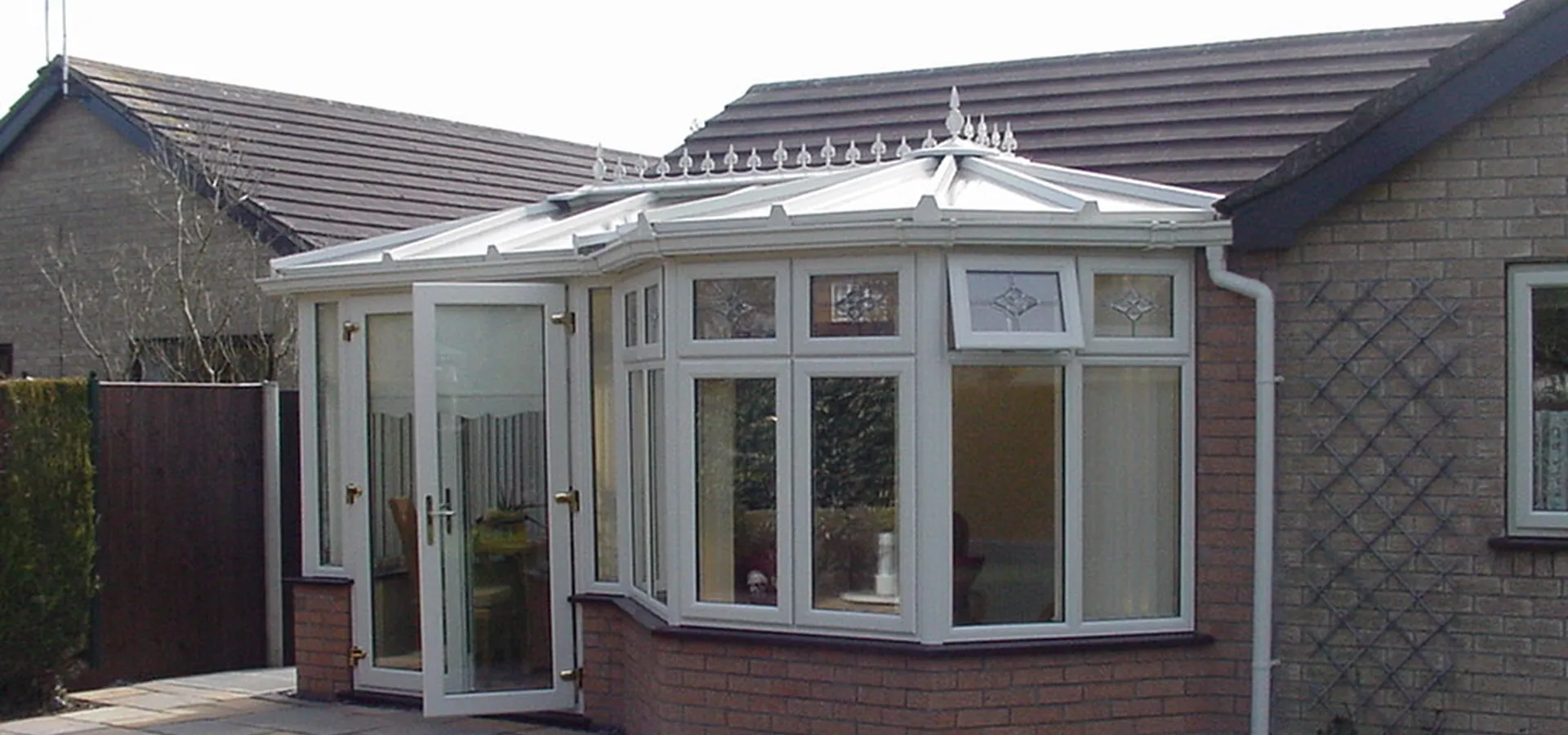
We make and fit flush casement windows in Clerkenwell. This page is for owners of cottages, period homes and new builds who want the look of old timber frames without the painting. You will learn what makes a flush sash different, which frames we use, how we fit them and what sets the price.
Our team is FENSA registered, and each window comes with a 10-year guarantee. We have years of work on period and modern homes. See our full range on the double glazing windows page, or go back to our main double glazing page.
What a Flush Casement Is
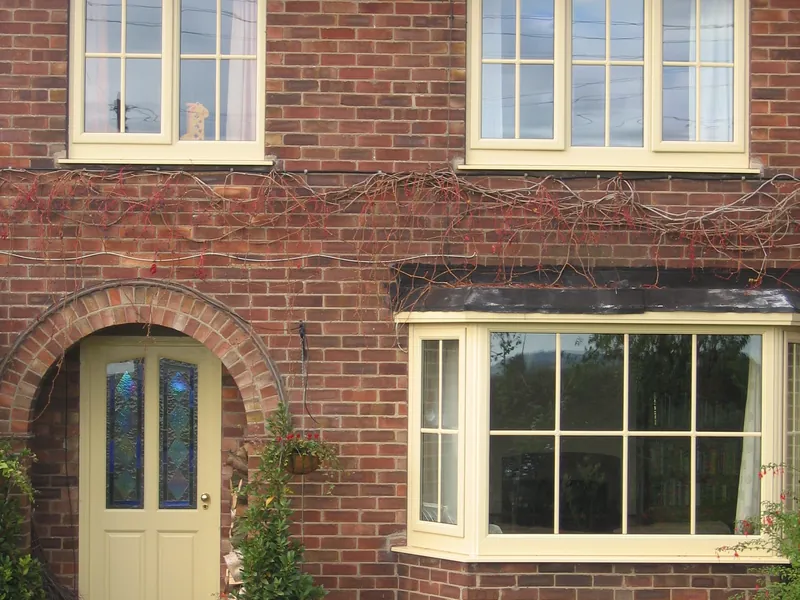
On a standard casement, the sash sits proud of the frame when shut. On a flush casement, the sash sits level with the outer frame. The face of the window is flat, just like a joiner-made timber window from the 1800s or early 1900s.
That flat face is the whole point. It gives clean lines, sharp shadows and a hand-made feel. From the street, a good flush window is hard to tell from timber. It still has modern glass, locks and seals inside.
Flush casements first became popular as a match for old cottage windows. Today they also suit new homes, barn conversions and extensions where the owner wants a crisp, classic look.
Frame Choices
We supply flush casements in three main materials.
- Timber-look uPVC: the most popular choice. It has a woodgrain foil, mechanical joints at the corners and no painting. Some systems add a run-through sash horn or a false butt hinge for a more joinery look.
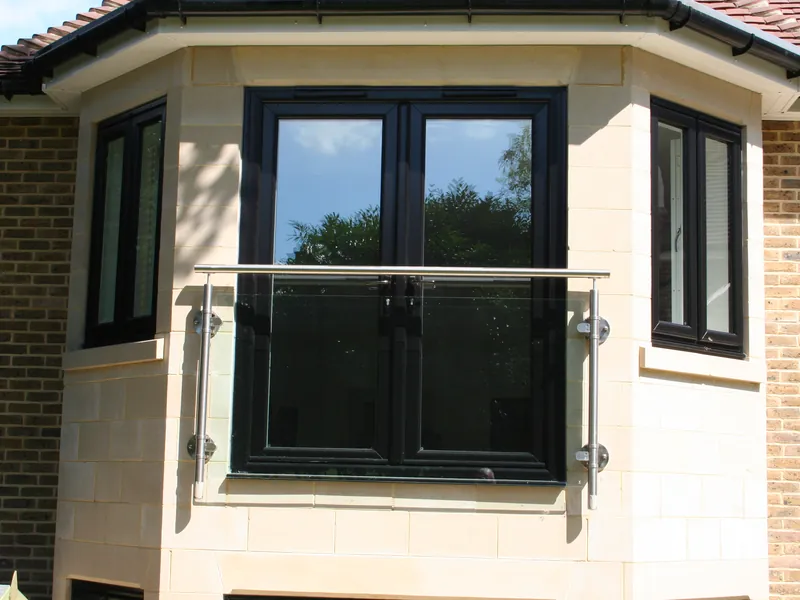
- Aluminium: very slim, strong and modern. It suits grey or black frames on new homes and extensions.
- Timber: real wood for listed homes or where the council asks for it. It needs repainting every few years.
Our uPVC vs aluminium guide compares the two main options in more detail. In short, uPVC is warmer and costs less. Aluminium is slimmer and lasts very well in coastal air.
Colours, Glass and Hardware
Flush casements come in a wide range of colours. Popular picks include cream, sage green, chartwell green, anthracite grey, black and white. You can have one colour outside and another inside.
The glass is a sealed unit with a low-E coat and argon gas. Most units reach a whole-window U-value of about 1.2 to 1.4 W/m²K. That meets the Part L limit for replacement windows in England. You can add:
- acoustic glass for busy roads;
- toughened or laminated glass for low panes;
- slim Georgian bars or astragal bars that look like old divided panes;
- obscure glass for bathrooms.
Hardware matters on a period window. We offer monkey-tail handles, peg stays and butt hinges in black, chrome, pewter and brass. Each opening sash still has a multi-point lock behind the classic look.
How We Fit Flush Casements
A flush window shows any fault in the fit, so we take care with every step.
- Survey and measure. We check the opening, the cill and the reveals. Older walls are rarely square, so we measure in several places.
- Agree the look. You choose the colour, bars, hinges and handles from samples.
- Make to order. Flush frames are built for your openings. Lead times are longer than for standard casements.
- Remove and fit. We take out the old frames, set the new ones level and square, and fix them to the brick or stone.
- Seal and finish. We seal inside and out, fit trims and clean up.
Most homes are done in one to two days. The whole process from survey to aftercare is on our how we work page. In short, we survey, quote in writing, make your windows, fit them and register the job.
What Drives the Cost of Flush Casements
Flush casements cost more than standard casements. The frames have more parts and take longer to make. We do not list fixed prices, but these are the main cost drivers:
- Material: timber and aluminium cost more than timber-look uPVC.
- Colour: heritage colours and dual colours add cost.
- Size and number of sashes: each opening sash adds hinges, locks and a handle.
- Bars: astragal or Georgian bars add cost per pane.
- Hardware: heritage handles, peg stays and butt hinges cost more than standard fittings.
- Glass: acoustic, toughened or triple glazed units cost extra.
- Wall type: stone walls and odd shapes take longer to fit.
Our double glazing prices page explains how flush frames compare with other styles. For your home, we come out for a free survey and send a written, fixed quote. You can request a quote online. The quote also lists the payment stages.
Period Homes, Conservation Areas and Listed Buildings
Flush casements are often the best match for an older home. They are close in look to the original timber, which helps in a conservation area. Still, rules vary:
- Houses: like-for-like replacement rarely needs planning permission.
- Conservation areas: some councils have an Article 4 direction that controls new windows. Many accept timber-look flush frames, but always ask first.
- Listed buildings: you need listed building consent for any change. The council will often ask for timber, or for secondary glazing behind the old windows.
- Flats: check the lease and ask the freeholder.
All new windows must meet Building Regulations. As a FENSA installer, we self-certify the job and you get a certificate when it is done.
Is a Flush Casement Right for You?
Choose a flush casement if you want a classic face on a cottage, a Victorian or Edwardian home, or a new build with a heritage look. It is also a good fit for barn conversions and rear extensions.
If your home has sliding sashes, a flush casement will change the look. A sash window is the better match there. If you just want good value on a modern home, a standard casement does the job for less.
Think about the whole front of the house too. Flush frames look best when every window matches. If you replace only the front, choose a colour and bar style that still sits well with the windows at the back. Our surveyor can walk round the house with you and suggest a plan that works in stages.
Frequently Asked Questions
Are flush casement windows allowed on listed buildings?
Only with listed building consent. Most councils want the windows on a listed home to stay timber, or to be repaired. Some will accept timber flush casements with slim double glazing. Others prefer secondary glazing behind the old frames. Talk to the council's conservation officer before you order. We can help with drawings and details for your application.
What upkeep do flush casement windows need?
Timber-look uPVC and aluminium need very little. Wash the frames and glass with warm, soapy water a few times a year. Keep the drain slots clear and oil the hinges and locks once a year. Real timber frames need a fresh coat of paint or stain every few years. Avoid harsh cleaners, as they can dull the foil.
Do flush casements add value to a home?
Many buyers like the look of flush windows, as they suit period homes and look high quality. They also come with a FENSA certificate and a 10-year guarantee, which helps at sale. The effect on value depends on your home and area. The main gain is a better look, warmer rooms and less upkeep.
Can flush casement frames be any colour?
Yes, within reason. Timber-look uPVC comes in a wide range of foils, from cream and sage to grey and black. Aluminium can be powder coated in almost any RAL colour. You can choose one colour outside and a different one inside. Our surveyor brings samples so you can see them against your walls.
What are flush casement windows made of?
We make them in timber-look uPVC, aluminium and timber. uPVC is warm and needs no painting. Aluminium is slim, strong and good near the coast. Timber is the classic choice for listed homes and needs regular care. All three can take double or triple glazing and the same multi-point locks.