This guide explains the double glazing cost for homes in Clerkenwell, from a single window to a full house or a new conservatory. It is for homeowners who want a rough idea of price before they book a survey. You will see our starting prices, what pushes a price up or down and how we turn that into a fixed quote you can rely on.
We fit double glazing, doors and conservatories across Clerkenwell. We are FENSA registered and every job comes with a 10-year guarantee. The figures below are starting points only. Your real price comes in a written, fixed quote after a free survey.
Starting Prices at a Glance
These are the lowest prices for a standard size product, made to measure and fitted. Most homes will pay more than the starting price once size, colour and glass are chosen.
- uPVC casement window: from £400 fitted
- uPVC sliding sash window: from £650 fitted
- Composite front door: from £1,200 fitted
- Aluminium bifold doors: from £3,200 fitted
- Conservatory: from £8,500 fitted
- Roof window or skylight: from £750 fitted
Every price includes the survey, the product, fitting, removal of the old frames and the FENSA certificate. Below, we explain what drives each one.
What Drives the Price of a Window
A standard uPVC casement window starts from £400 fitted. The final price depends on a few key things.
- Size: a large window needs more frame and glass, and may need two fitters to lift it.
- Style: a plain casement costs the least. Tilt and turn, flush casement and bay windows cost more.
- Material: uPVC is the most affordable. Aluminium and timber cost more but last well and look sharp.
- Colour: white is the base price. Wood grain, grey, black or a different colour on each side adds to it.
- Glass: acoustic, obscure, laminated or triple glazed units cost more than standard low-E glass.
- Number of windows: fitting several at once saves time per window, so a whole house often costs less per unit.
Sash Windows
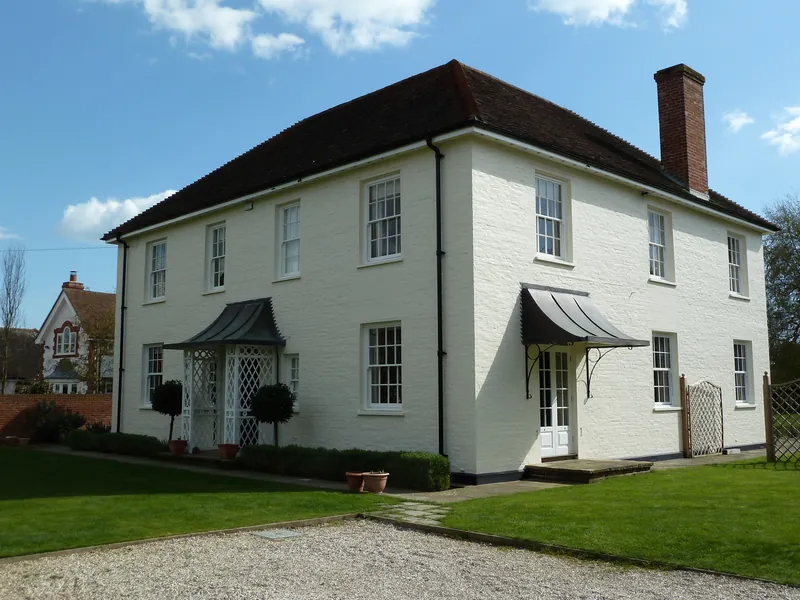
A uPVC sliding sash window starts from £650 fitted. Sash windows cost more than casements, as they have more parts, slide on balances and often need period details. Horns, run through sash bars and a heritage colour all add to the price. Timber sash windows cost more again. In a conservation area, the council may ask for a style that matches the original, which can also affect cost.
What Drives the Price of a Door
A composite front door starts from £1,200 fitted. The price moves with the style, glass and hardware you pick.
- Side panels and top lights: extra glazed panels make the opening wider and add to the cost.
- Glass design: decorative or bevelled glass costs more than a solid door or plain glass.
- Hardware: knockers, letter plates, smart locks and premium handles all add up.
- Colour: some colours and dual colour doors cost a little more.
Bifold Doors
Aluminium bifold doors start from £3,200 fitted. The biggest factor here is width, as each extra panel adds frame, glass and hardware. A wide opening may also need a new steel or concrete lintel above it, which means building work and Building Regulations sign off. Low or flush thresholds, dual colours and integral blinds also add to the cost.
What Drives the Price of a Conservatory
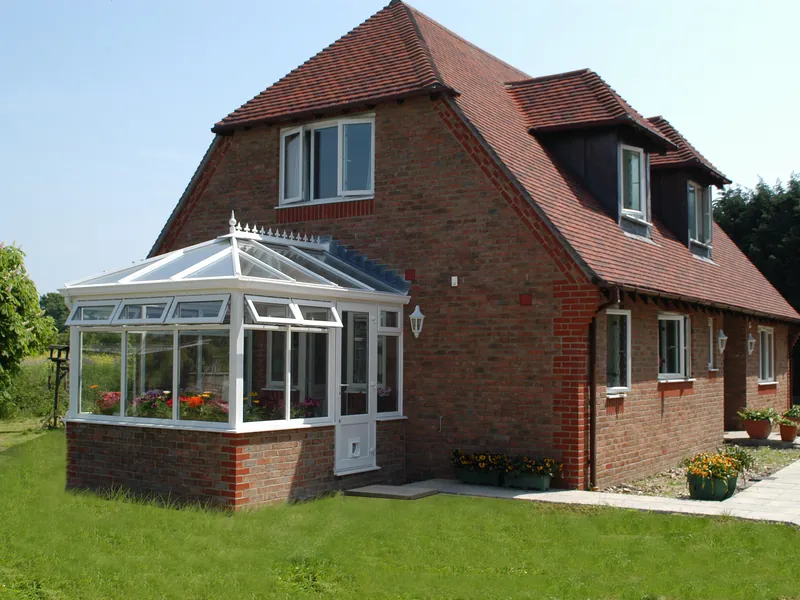
A conservatory starts from £8,500 fitted. This covers a small lean-to with a standard base. The price grows with:
- Floor area and shape: a larger or more complex shape needs more frames, glass and roof.
- Style: lean-to builds are the simplest. Edwardian and Victorian styles cost more, and orangeries more again.
- Roof: a solid or tiled roof costs more than glass but keeps the room warmer.
- Base work: sloping ground, drains and tree roots may mean deeper footings.
- Extras: heating, power, lights, flooring and blinds.
What Drives the Price of a Skylight
A roof window or skylight starts from £750 fitted. The main cost factors are the size of the window, the type of roof and how easy it is to reach. A pitched roof with tiles is the simplest. Flat roofs need a kerb or upstand. Electric opening, blinds and rain sensors add to the price, as does any plastering inside once the window is in.
Other Things That Affect Your Quote
Some costs are the same whatever product you choose. We look at all of these on the survey, so they are in your quote from the start.
- Access: upstairs windows over a conservatory or a steep drop may need a tower or scaffold.
- Making good: repairs to plaster, brick, render or sills after the old frames come out.
- Lintels: if the old frame was holding up the wall, a new lintel may be needed.
- Parking: a permit or a long carry from the van can add a little time.
- Old frames: we remove and recycle them, and that is part of your price.
How We Price Every Job
We do not believe in hard sales or prices that drop the longer you sit at the kitchen table. Here is what you get from us:
- A free survey, where we measure every opening and look at access and repairs.
- A written, fixed quote that lists each item, the glass, the colour and any building work.
- No hidden extras. The price we quote is the price you pay unless you change the order.
- Payment stages set out clearly in the written quote.
Comparing Quotes
When you compare quotes, check that each one covers the same things. A low price can leave out the glass spec, the colour, the removal of old frames or the making good. Look for:
- The same frame material, style and colour on each quote.
- The glass type, such as low-E with argon, acoustic or laminated.
- Who removes the old frames and repairs the plaster and sills.
- The length of the guarantee and whether it is insurance backed.
- Proof the firm is registered to sign off the work.
Our quotes spell all of this out, so you can compare like for like. Ours come with a 10-year guarantee.
To see how other homeowners found our quotes and fitting, read our customer reviews. When you are ready, book your free survey and quote.
Frequently Asked Questions
What affects double glazing prices the most?
Size, material and style matter most. A large aluminium window costs more than a small white uPVC one. Colour, special glass and the number of windows also play a part. Access and making good can add to the cost, for example scaffold for high windows or brick repairs. We list every item in your written quote, so you can see where the money goes.
How are payments set out?
Payment stages are set out in your written quote before you agree to anything. You will see what is due, when it is due and what it covers. The total price is fixed once you accept, unless you ask us to change the order. If you have any questions about the stages, we are happy to talk them through at the survey.
How do you choose a reliable double glazing company?
Check the company is FENSA or Certass registered, so they can sign off the work under Building Regulations. Ask for a written, fixed quote and a clear guarantee, ideally backed by insurance. Read reviews from local homeowners and ask to see past work. Be wary of firms that push for a quick decision or offer a big discount if you sign today.
How long does double glazing last?
Good quality uPVC and aluminium windows should last for decades with basic care. The sealed glass units may need replacing sooner if they mist up, but that is a simple swap and does not mean a new frame. Keep tracks and drain holes clear, oil the hinges and locks once a year, and your windows will keep working well for a long time.
Is it cheaper to replace all windows at once?
Often, yes. Fitting several windows in one visit saves time on travel, set up and scaffold, so the cost per window can be lower. You also get a matching look across the house. If you would rather do the work in phases, we can quote for the most urgent windows first and price the rest for later. Each part still gets a fixed price.