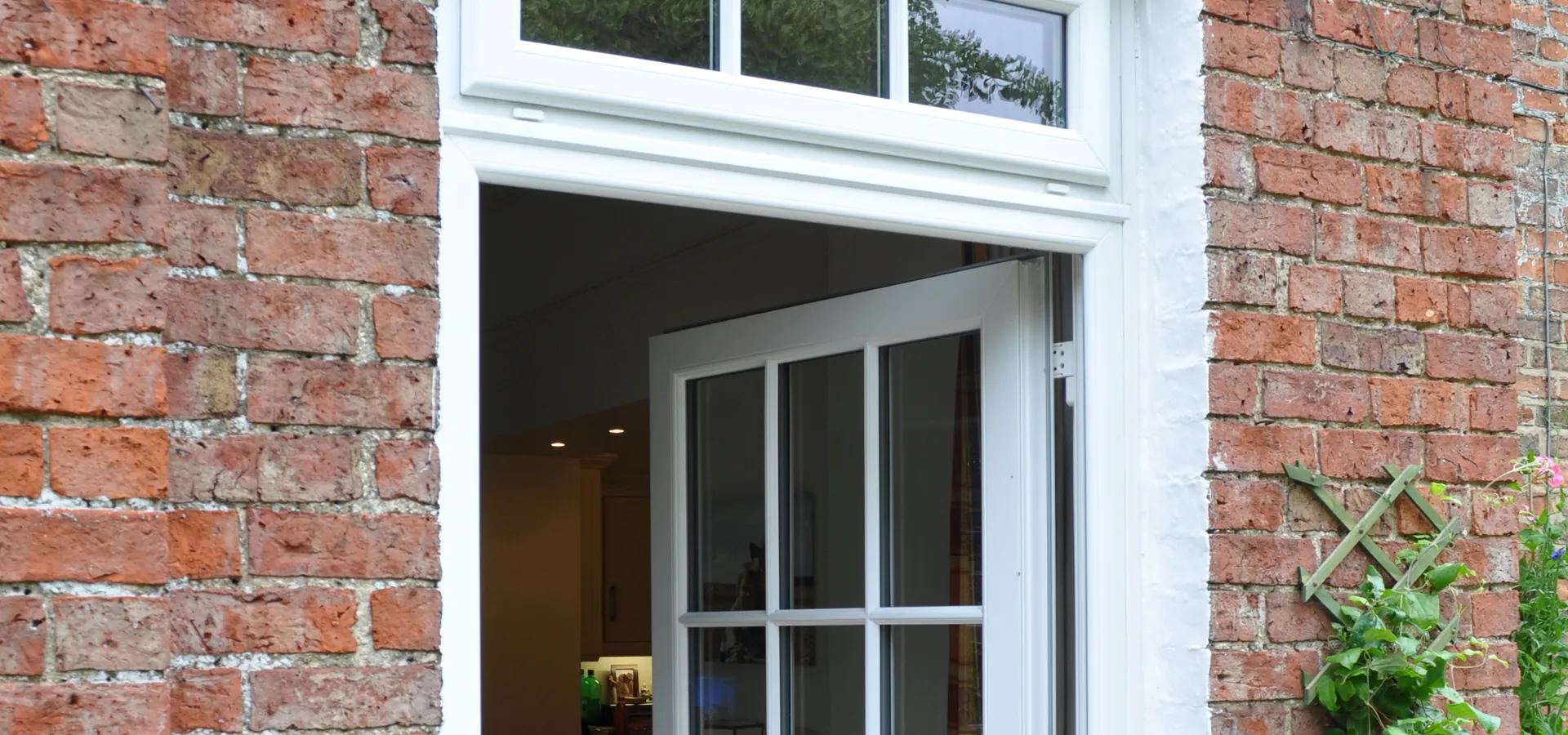
We supply and fit new back door sets in Clerkenwell, made to measure in uPVC, composite and aluminium. This page is for homeowners who want a rear or side door that is secure, warm and easy to live with. You will learn about the types, the security features, what drives the cost and how to pick the right door for your home.
The back door gets more use than most people think. It is the way to the garden, the bins and the washing line. It is also where many break-ins start, as it is out of sight from the street. A good back door needs to be tough, keep the weather out and open with ease. We are a local double glazing firm, and our installers are FENSA registered.
Back Door Types and Materials
We fit three main kinds of back door. Each has its own strengths.
uPVC back doors
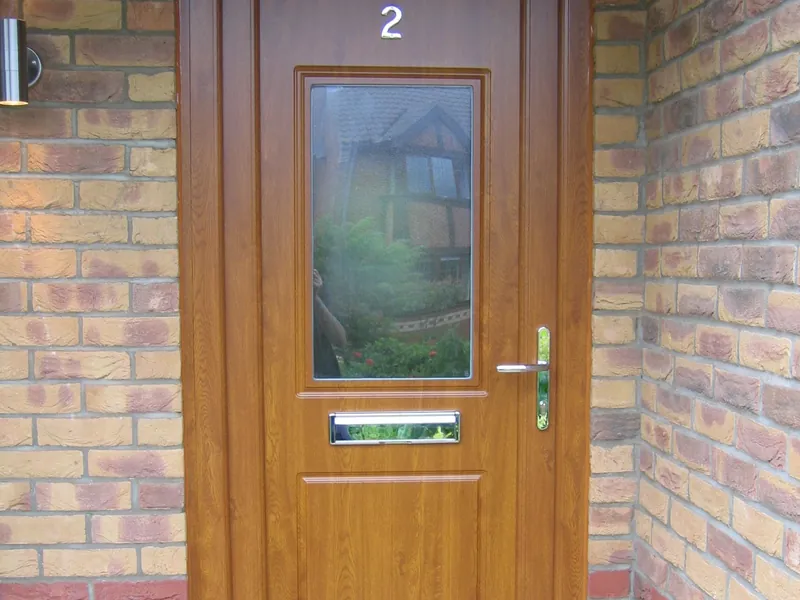
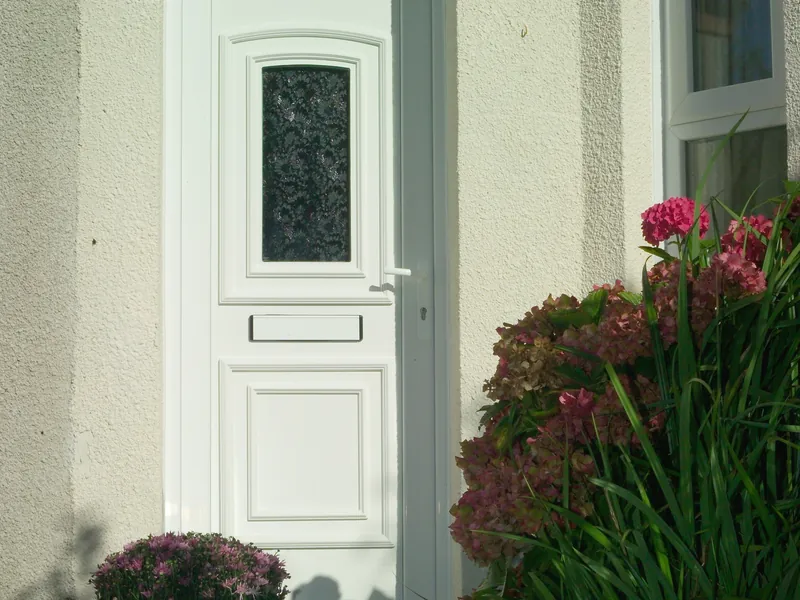
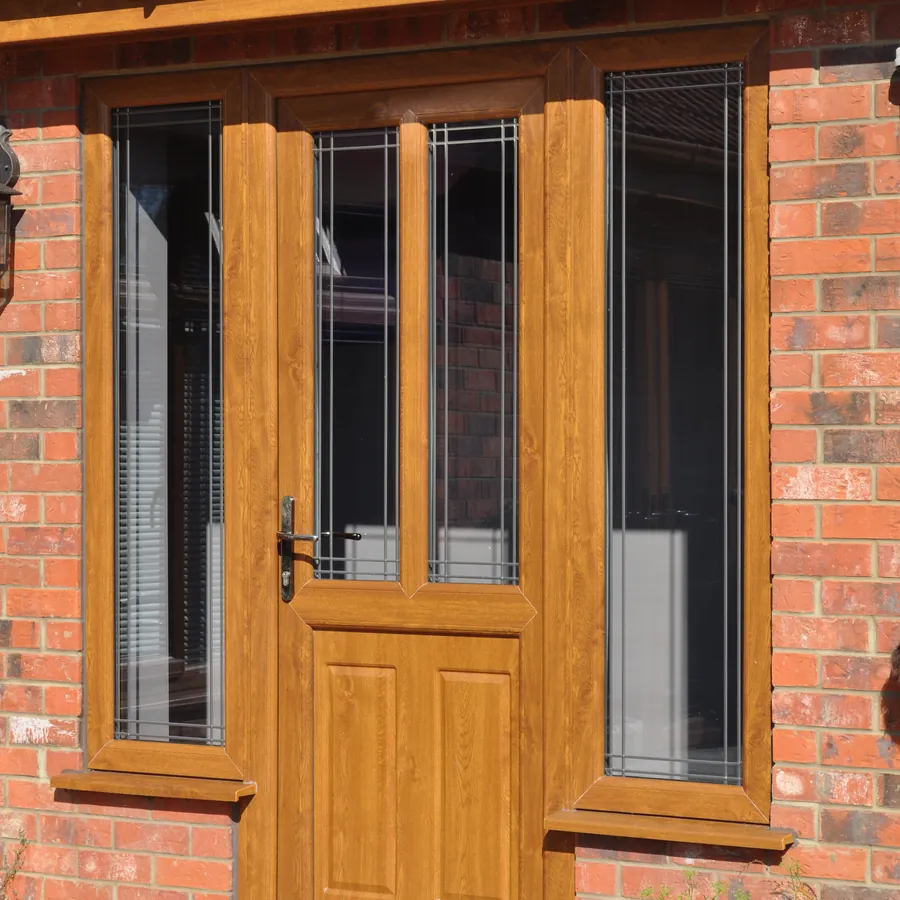
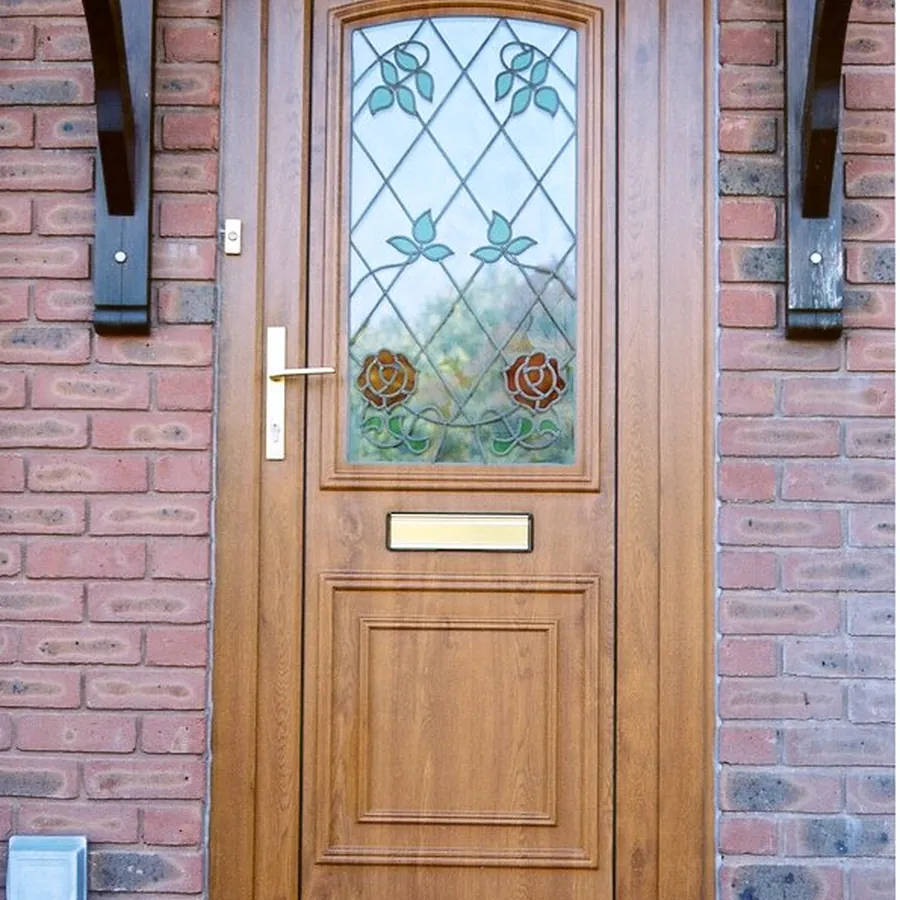
uPVC is the most popular choice for a back door. It is light, low upkeep and keeps heat in well. A steel core inside the frame adds strength. It comes in white, grey, black and woodgrain finishes, and costs less than the other options.
Composite back doors
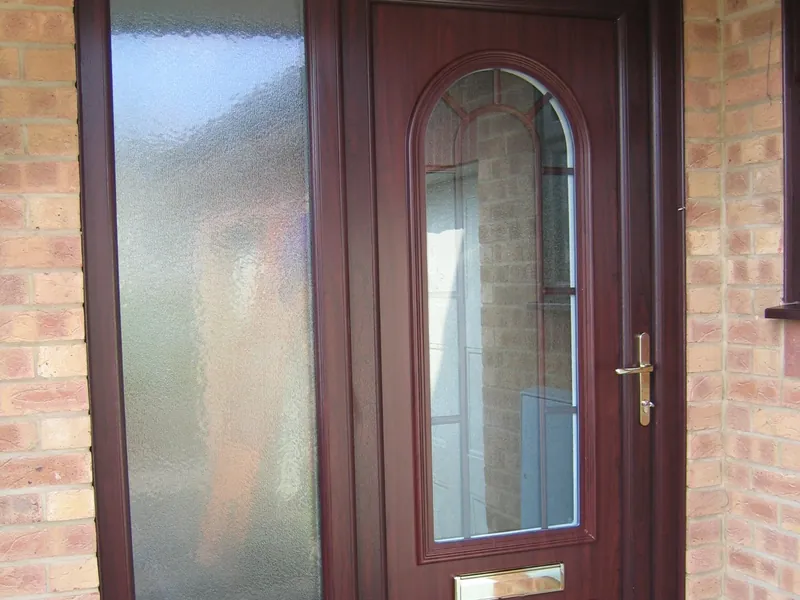
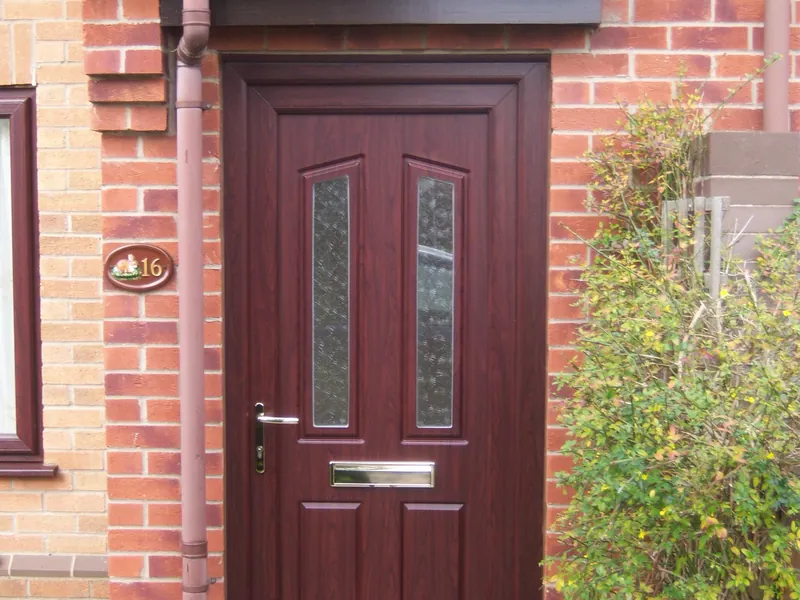
A composite door has a thick, solid core with a tough outer skin. It feels heavy and solid when you close it. The skin often has a woodgrain texture, so it looks like painted timber without the upkeep. It is a good choice if security is your top concern. See our page on composite doors for more detail.
Aluminium back doors
Aluminium gives slim frames and a sleek, modern look. It is very strong and comes in a huge range of colours. It suits homes with aluminium windows or a modern kitchen extension.
Styles and Layouts
Back doors come in many designs. The right one depends on the room behind it and how much light you want.
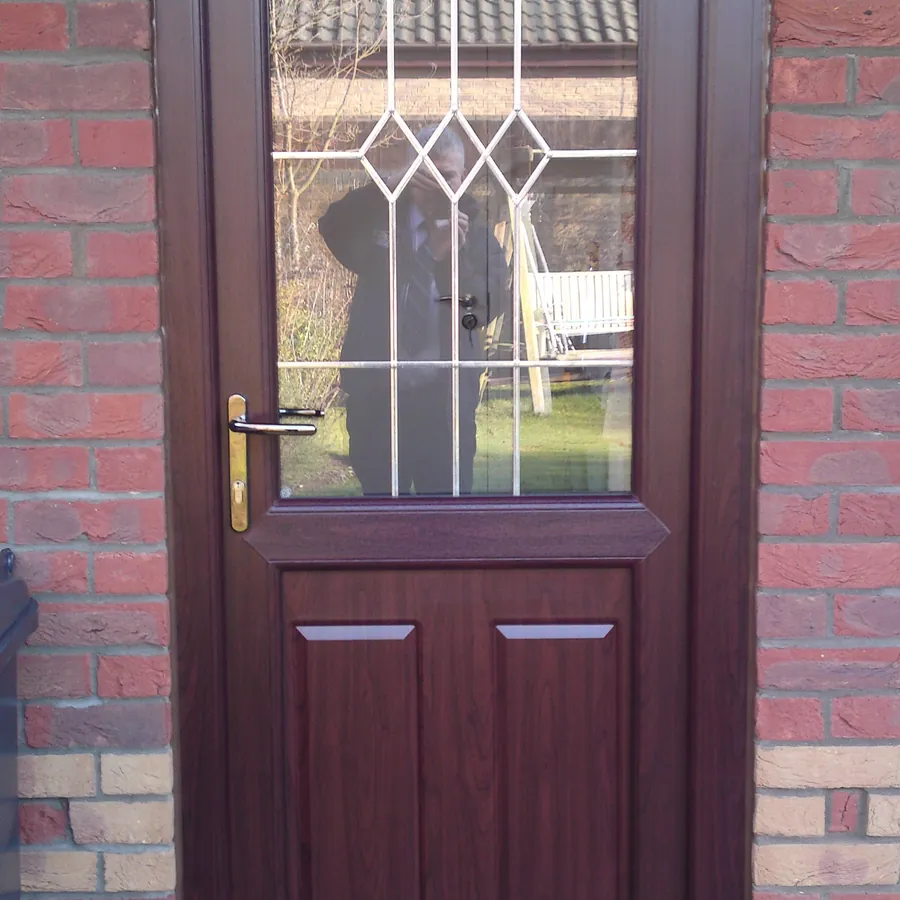
- Half glazed. Glass in the top half and a solid panel below. This is the classic kitchen door.
- Fully glazed. Glass from top to bottom for the most light.
- Solid. No glass, for a utility room or a door that faces a side path.
- Stable door. Split across the middle, so you can open the top half for air and keep pets or children in.
- With side panels. A fixed glass panel next to the door brings in more light.
If you want to open up a wider space to the garden, a pair of French doors or a set of bifold doors may suit you better. You can see every style on our main double glazing doors page.
Security Features
Because the back door is hidden from view, it needs strong locks and a strong frame. Every back door we fit includes:
- a multi-point lock that bolts into the frame at the top, middle and bottom;
- an anti-snap, anti-bump cylinder;
- strong hinges with security pins so the door cannot be lifted off;
- toughened or laminated safety glass, beaded on the inside;
- a reinforced frame, with steel in uPVC models.
Many of our doors are tested to PAS 24, the UK door security standard. Some also carry Secured by Design, the police-backed scheme. Ask us which models meet these when you choose.
Keeping the Heat In
An old back door can let in a lot of cold air. A new one stops that in several ways. The frame has seals all the way round. The glass is double glazed with a low-E coat and argon gas. The door slab or panel has an insulated core.
Under Part L of the Building Regulations, a replacement door must reach a U-value of 1.4 W/m²K or better. Our back doors are built to meet this. As FENSA members, we register the work and you get a certificate to keep.
You may also want to match the door to new windows. See our double glazing windows page for frames in the same colours. If you are on a low income or get certain benefits, read our page on window grants. Some energy schemes help with the cost of new doors and windows.
What Drives the Cost of Back Doors
We do not show fixed prices online, as every door is made to fit. These are the main things that move the price:
- Material. uPVC costs least. Composite and aluminium cost more.
- Size. A taller or wider door, or one with side panels, needs more material.
- Glass. Patterned, laminated or triple glazed units add cost.
- Colour. Coloured and dual-colour finishes cost more than white.
- Hardware. Premium handles, letter plates, cat flaps and smart locks all add up.
- Opening work. A damaged sill, a rotten lintel or a step that needs work adds time.
After a free survey we give you a written, fixed quote. It lists the work, the door spec and the payment stages. You can ask for a quote online whenever you like.
How We Fit Your Back Door
Our full process, from survey to aftercare, is set out on how we work. In short, we measure, order your door to size, fit it and check you are happy before we leave.
Most back doors take less than a day to fit. On the day we:
- lay down dust sheets and protect the floor;
- take out the old door and frame with care;
- check the opening is sound and level;
- fit and fix the new frame, then hang the door;
- seal the frame inside and out and make good;
- test the lock and show you how it works;
- take the old door away.
Your home is only open while the frame is out, which is a short time. We never leave a door unsecured overnight.
Choosing the Right Back Door
Ask yourself these questions before you decide:
- How much light does the room need?
- Does the door face a quiet path or a busy garden?
- Do you have pets that need a cat or dog flap?
- Do you want a level threshold for prams, bikes or wheelchair access?
- Should the door match the front door or the windows?
We bring samples to the survey so you can feel the weight and see the colours. We will help you find a door that suits your home and how you use it.
Frequently Asked Questions
Which material is best for a back door?
It depends on what matters most to you. uPVC is low cost, warm and easy to look after. Composite feels the most solid and has a thick core, so it is great for security. Aluminium gives slim frames and a modern look. All three meet current heat rules when fitted with good glass and seals. We bring samples of each to the survey so you can compare.
How do you maintain a back door over time?
Wipe the door and frame with warm soapy water a few times a year. Oil the lock and hinges once a year so they work smoothly. Check the seals for gaps and keep the drain holes at the bottom of the frame clear. Avoid harsh cleaners and scourers, as they can mark the finish. With this care, the door will look and work well for years.
Can you choose the colour of a back door?
Yes. uPVC and composite doors come in a good range of colours and woodgrain finishes. Aluminium doors come in almost any colour. Many doors can have one colour outside and white inside, so they match your kitchen. Pick the colour when you order, as the finish is applied in the factory. We bring colour samples to the survey.
How long does a back door last?
A good uPVC, composite or aluminium back door should last for many years with basic care. The frame and door slab tend to outlast the moving parts. Locks, hinges and seals may need adjusting or changing over time, which is a small job. Every door we fit comes with our 10-year guarantee.
Are there eco-friendly back door options?
Yes. Aluminium can be recycled many times, and many frames already use recycled metal. Some uPVC profiles also contain recycled material. Any new door with good seals and low-E glass helps your home lose less heat. That means your heating works less hard. Ask us about recycled content when you choose your door, and we will show you the options.