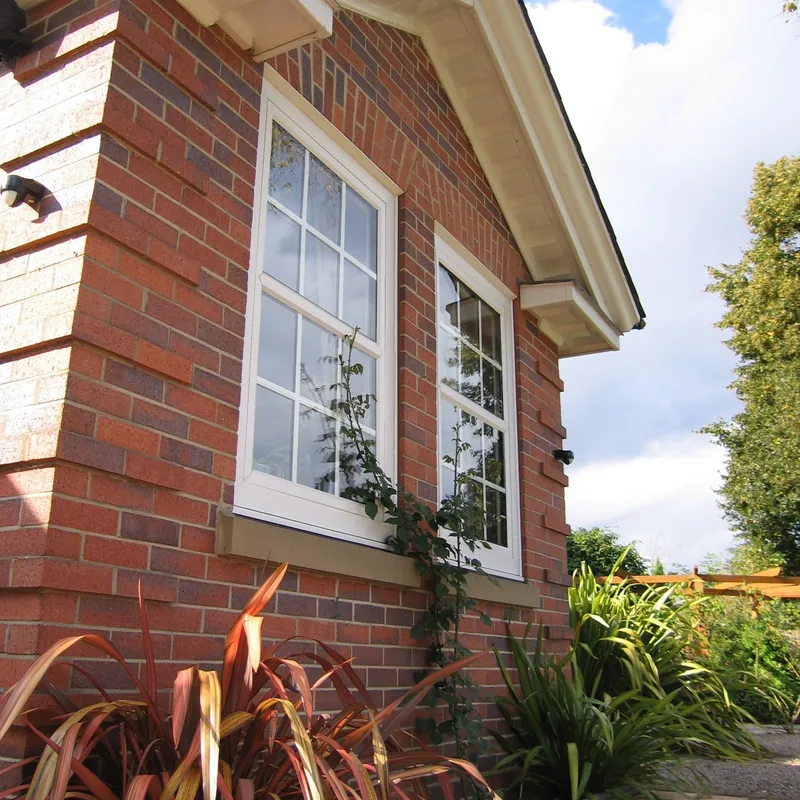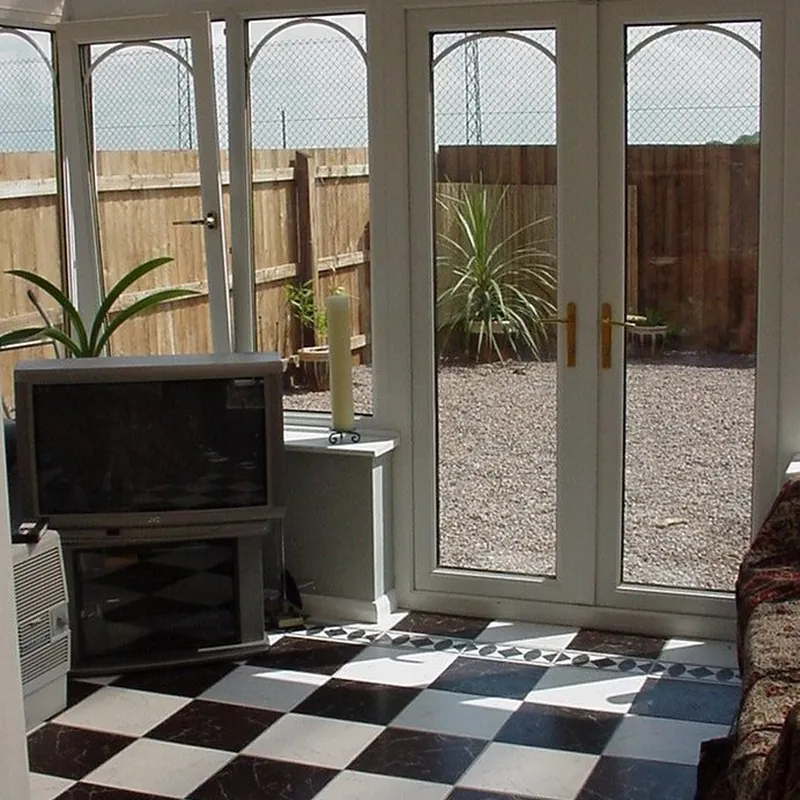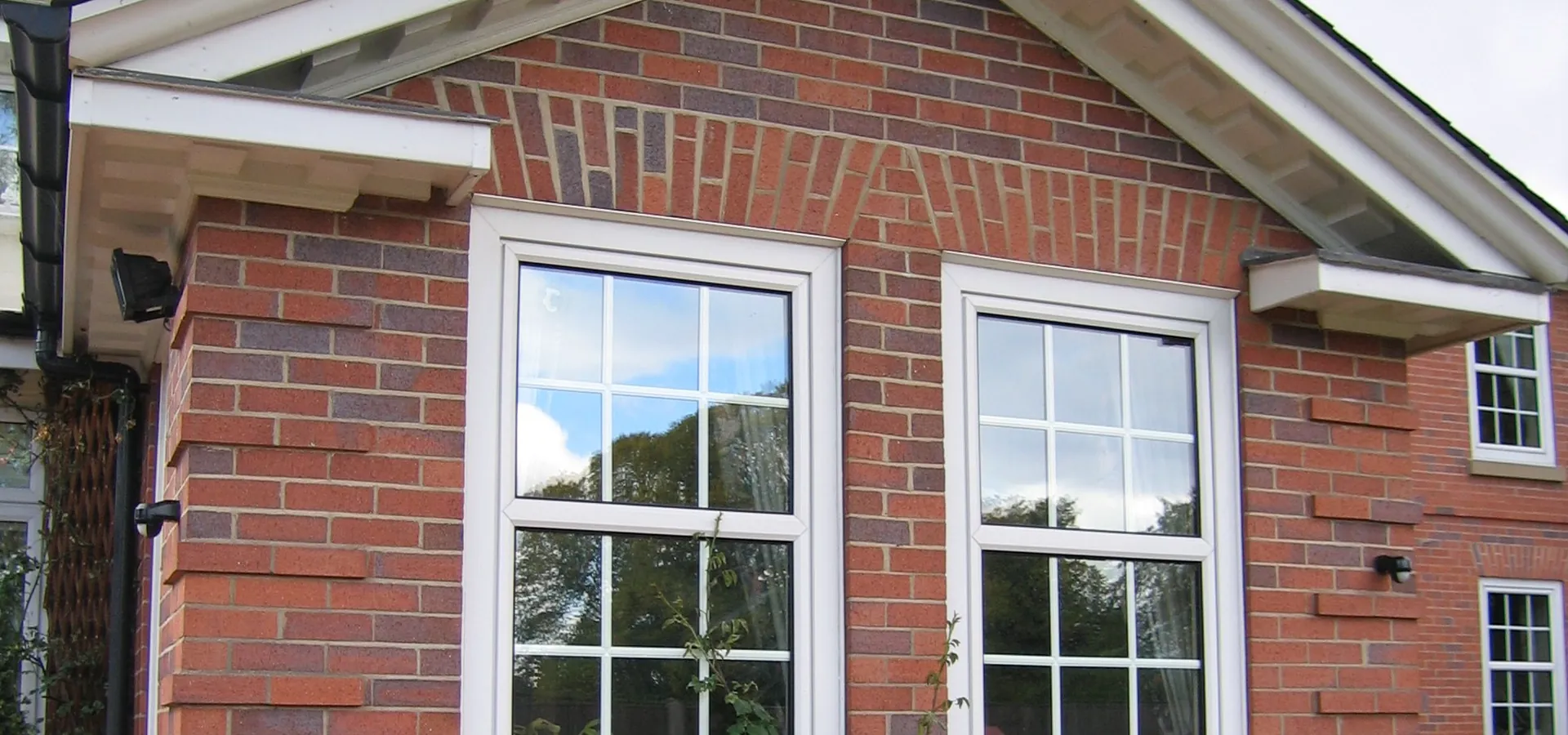
We supply and fit tilt and turn windows in Clerkenwell, made to measure for houses and flats. This page is for homeowners who want a window that is easy to clean, safe on upper floors and gives a choice of how it opens. You will learn how they work, the options we offer, what drives the cost and how to care for them.
All our work is signed off under FENSA, and every window has a 10-year guarantee. To compare other styles, see our full double glazing windows range, or go back to our double glazing home page.
How Tilt and Turn Windows Work
A tilt and turn window opens in two ways from one handle. That is what sets it apart from a casement or a sash.
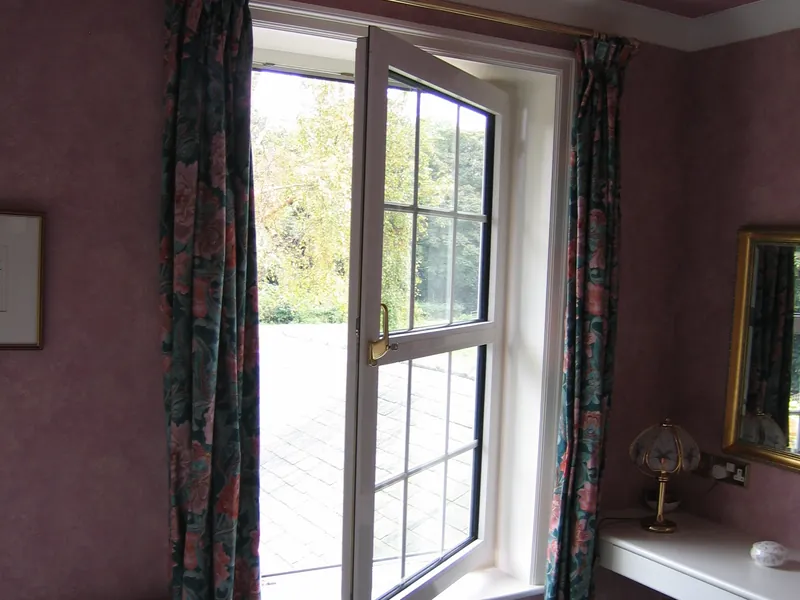
- Tilt: turn the handle up and the top of the sash tips inwards by a few inches. Air flows in over the top, but the gap is too small to climb through. It is a safe way to air a room while you are out or asleep.
- Turn: turn the handle to the side and the whole sash swings into the room like a door. You can reach both sides of the glass to clean it, and you get a wide, clear opening.
- Closed: turn the handle down and locks grip the frame at points all the way round.
A fail-safe device stops the sash tilting and turning at the same time. Child locks and restrictors can be added for upper rooms.
Where Tilt and Turn Windows Work Best
Tilt and turn windows came from Germany and are now common across the UK. They suit some homes and rooms more than others.
- Upper floors and flats: you clean the outside from inside, with no need for ladders.
- Bedrooms and lofts: the wide turn opening can meet fire escape rules, and the tilt gives safe night air.
- Modern homes: the clean, flush look suits new builds and contemporary extensions.
- Rooms over busy streets: the seal all round the sash is very tight, which helps keep noise out.
Bear in mind that the sash opens inwards. You need clear space in front of the window, so blinds, plants and sills must allow for it. On a period front with sash windows, a tilt and turn may not suit the look. We will advise you at the survey.
Frames, Glass and Hardware
We make tilt and turn windows in uPVC, aluminium and timber. Each is built to the size we measure on site.
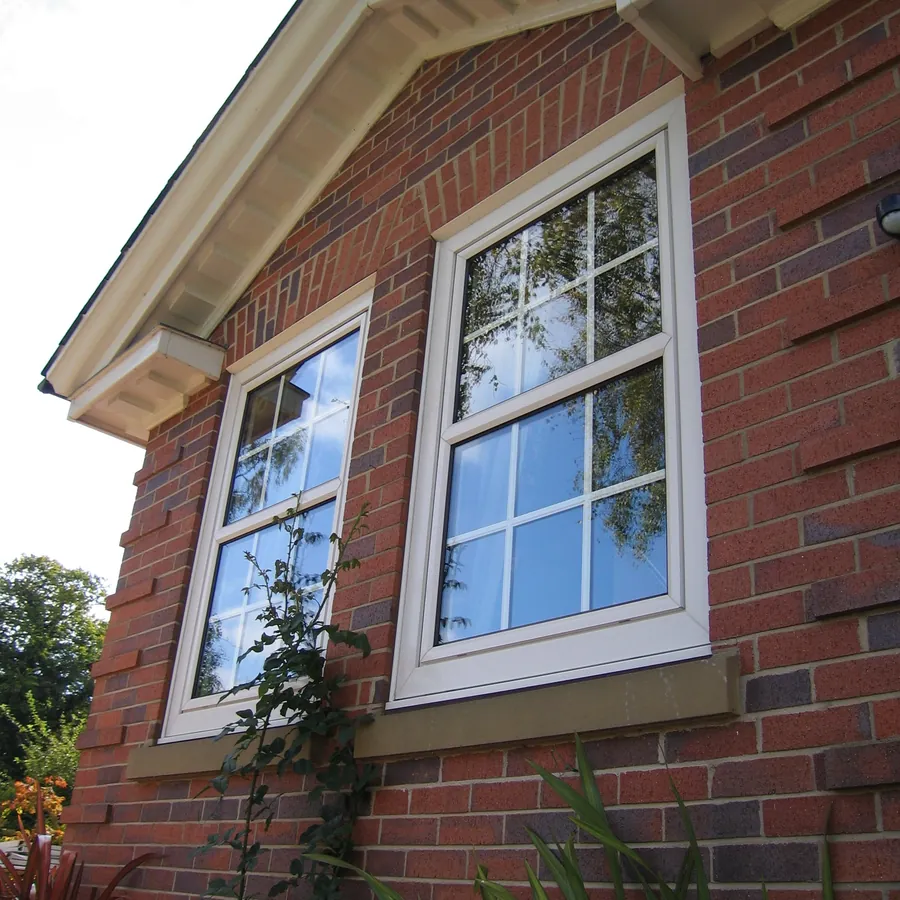
- uPVC: low upkeep, well sealed and the most popular choice. It comes in white, foils and many colours.
- Aluminium: slim frames that carry big panes. Powder coating gives a hard, lasting finish in almost any colour.
- Timber: warm and natural, with deep frames that suit the heavy hardware well. See our timber double glazing page for woods and finishes.
Inside the frame, a standard unit has:
- a sealed glass unit, often 28mm, with argon gas and a warm edge spacer;
- a low-E coating that keeps heat in the room;
- two rows of seals, one on the sash and one on the frame;
- a gear system with locking cams all round the sash;
- internal beads, so the glass cannot be taken out from outside.
A good double glazed unit has a centre-pane U-value of about 1.1 to 1.4 W/m²K. Building Regulations Part L asks for 1.4 W/m²K for the whole window, or band B or better, when you replace windows. Tilt and turn frames are strong enough for heavy triple glazed units. If you want the lowest heat loss, see our triple glazing page.
Colours and Styles
You can choose the look inside and out on its own terms. Many people pick a dark grey or black outside and white inside. Other options include:
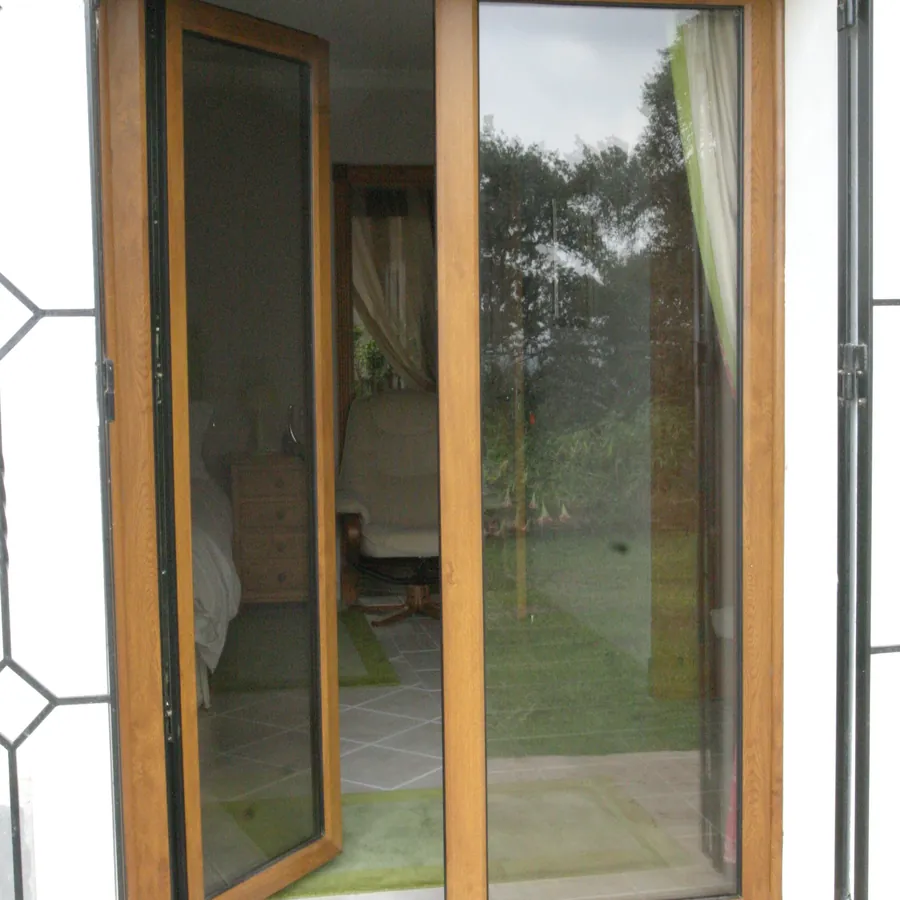
- wood-grain foils such as oak, walnut or rosewood on uPVC;
- any RAL shade on aluminium, in matt, satin or gloss;
- painted or stained finishes on timber;
- handles in white, black, chrome, satin silver or gold tones;
- obscure glass for bathrooms, and Georgian bars for a period look.
We bring samples to the survey, so you can see colours in daylight next to your brick or render.
How We Fit Tilt and Turn Windows
The gear in a tilt and turn sash needs a frame that is square and level. If it is out, the sash will catch or the locks will not engage. So we take care at each step.
- We remove the old window and check the opening for damp, rot or a weak lintel.
- We set the new frame on packers and check it is square from corner to corner.
- We fix it to the wall with frame screws.
- We hang the sash and adjust the hinges until it tilts, turns and locks with a light touch.
- We seal the gaps and finish with trims inside and out.
A typical home takes one or two days. We show you how to use the handle and the child locks before we leave. The full journey from survey to after-care is on our how we work page.
What Drives the Cost of a Tilt and Turn Window
We do not list fixed prices, because each window is made for its own opening. The main things that change the cost are:
- Size: bigger sashes need more frame, more glass and heavier gear.
- Frame material: uPVC costs least, aluminium and timber cost more.
- Glass: triple glazing, acoustic glass or safety glass add to the price.
- Colour: two-tone and custom colours cost more than white.
- Extras: locking handles, child locks and restrictors.
- The opening: a new sill, lintel or repair to the reveals.
- Access: high windows may need a tower or extra fitters.
Our double glazing prices page explains how window costs are built up. Every job gets a written, fixed quote after a free survey, with the payment stages set out in it. You can book your free survey and quote here.
Looking After Your Windows
Tilt and turn windows need little care, but the gear likes a bit of attention.
- Wipe the frames with warm, soapy water a few times a year.
- Clean the glass from inside by swinging the sash open.
- Oil the moving parts and locking cams once a year with light oil or grease.
- Check the seals are clean and not split.
- If the sash drops or rubs, call us. A small hinge tweak fixes it.
Timber frames need a fresh coat of paint or stain every few years. We tell you what to use at handover.
Frequently Asked Questions
How secure are tilt and turn windows?
They are among the most secure windows you can fit. Locking cams grip the frame at points all the way round the sash, so there is no weak corner to lever. The glass is beaded on the inside. You can add a locking handle with a key. In tilt mode the gap is too narrow to climb through, so you can leave a room aired without worry.
What colours can you get for tilt and turn windows?
uPVC frames come in white, cream, greys, black and wood-grain foils. Aluminium can be powder coated in almost any RAL colour. Timber can be painted or stained to suit. You can also have one colour outside and another inside, such as anthracite grey outside and white inside. Handles come in a range of finishes to match.
Can tilt and turn windows fit any type of home?
They fit most homes, from modern flats to older houses. The main limit is space: the sash opens into the room, so you need clear room in front of it. On some period fronts or in conservation areas, a sash or flush casement may look more in keeping. We check your home and any local rules at the survey before we suggest a style.
Can tilt and turn windows go into the old frames?
No. A tilt and turn sash needs its own frame, built to carry the hinges and locking gear. We take out the whole old window, frame and all, then fit a new one made to the size of the opening. This gives a square, sealed fit and lets us check the opening for rot or damp while it is open.
What upkeep do tilt and turn windows need?
Very little. Wipe the frames with soapy water and clean the glass from inside. Once a year, put a drop of light oil on the hinges and locking cams so they stay smooth. Keep the seals clean. If the sash starts to drop or catch on the frame, we can adjust the hinges for you in a few minutes.