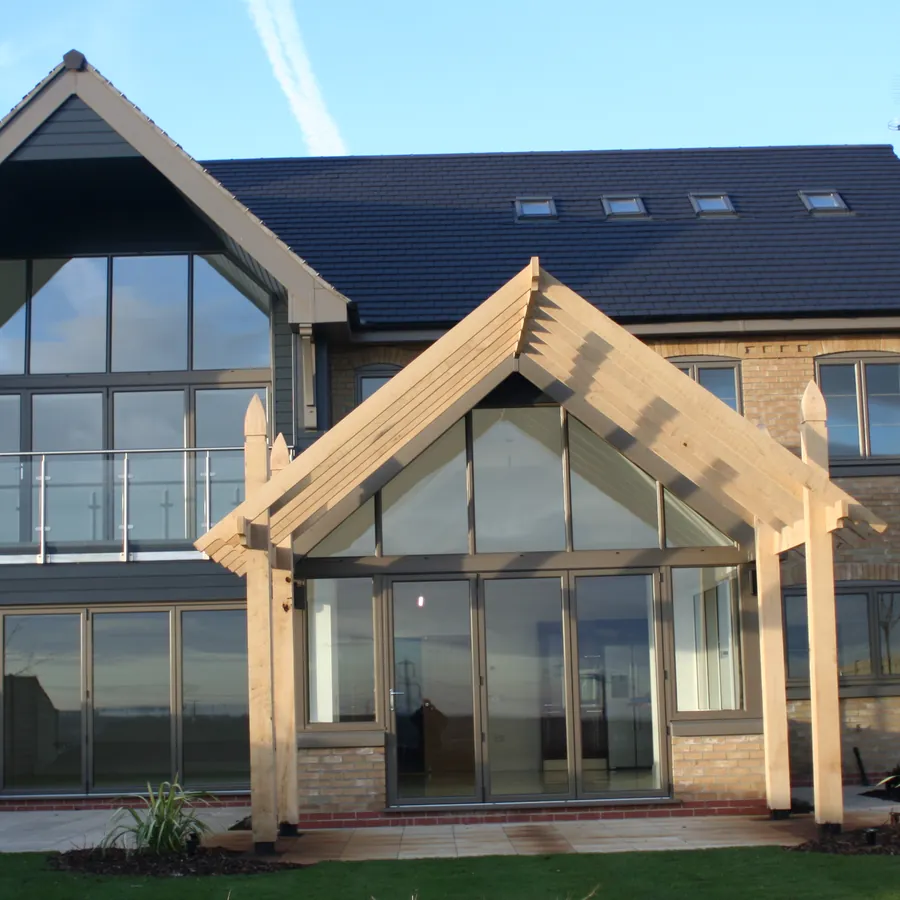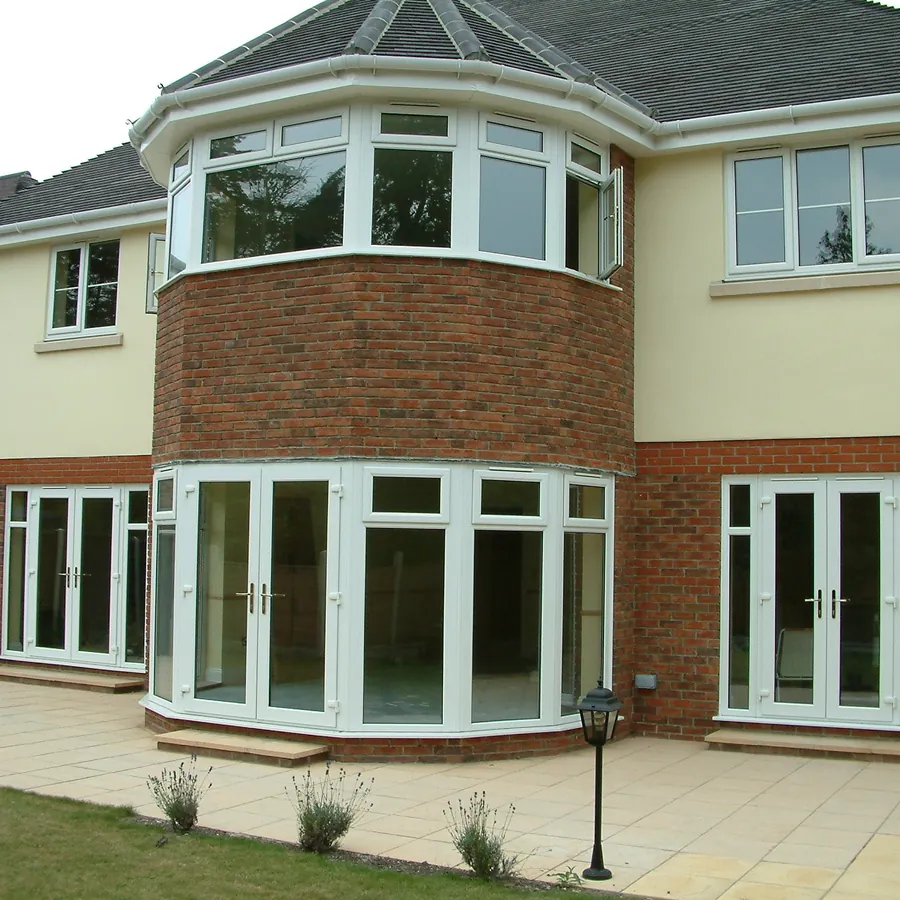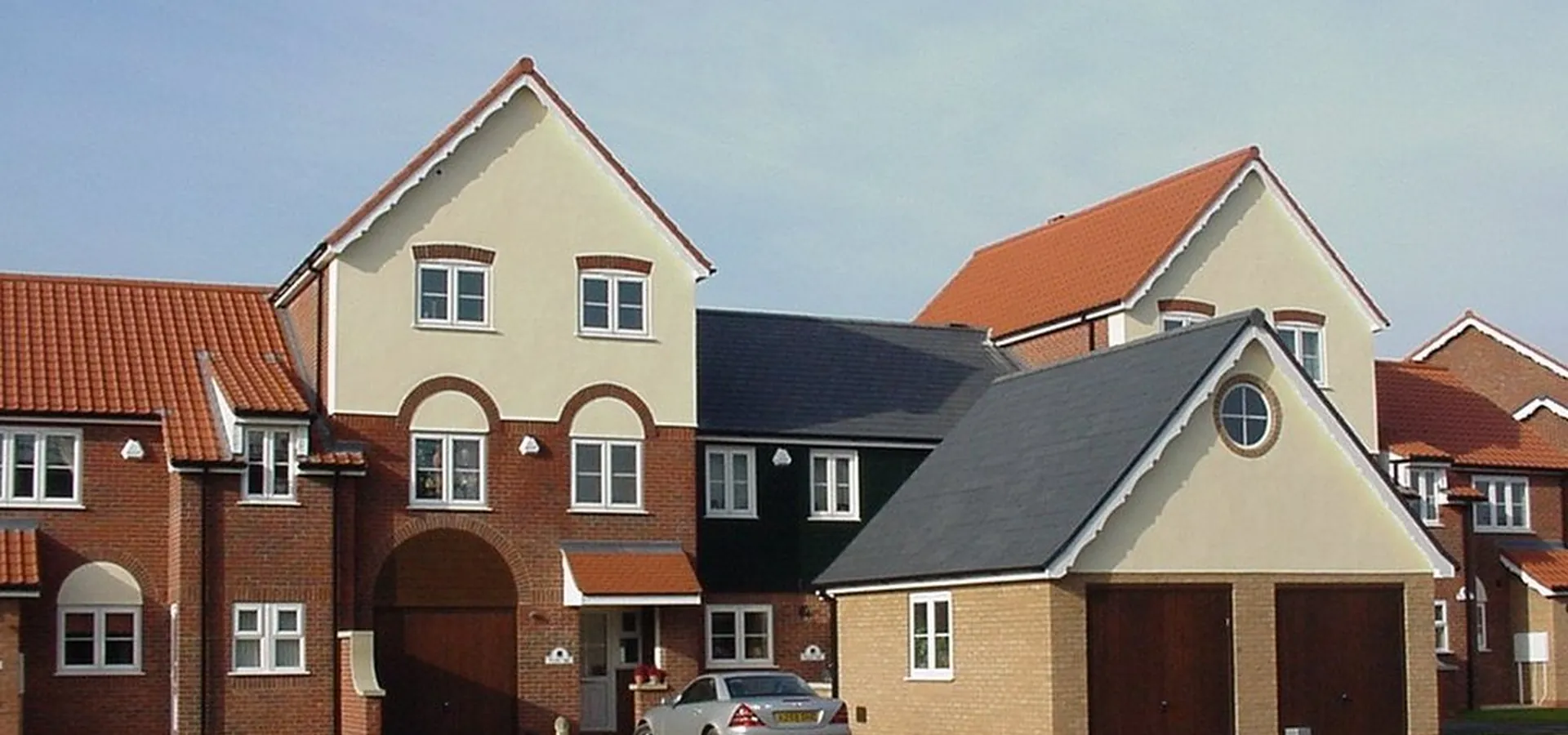
We supply and fit aluminium double glazing in Clerkenwell, made to measure for homes of every age. It suits homeowners who want slim frames, more glass and a crisp, modern finish that lasts. You get windows built to your openings, fitted by our own team, with a 10-year guarantee.
Aluminium is light but very strong. That lets us make frames far slimmer than uPVC or timber, so you see more sky and less frame. Today's aluminium windows also keep heat in well, thanks to a thermal break inside every frame. As a FENSA registered installer, we sign off every window under Building Regulations.
Aluminium windows are part of our wider double glazing service. To compare every frame type and style, see our double glazing windows page.
Aluminium Window Styles We Fit
Aluminium can be made into almost any window style. The ones we fit most often are:
- Casement windows: side or top hung sashes that open out. This is the most common style in UK homes.
- Flush casements: the sash sits level with the frame, for a clean, flat look.
- Tilt and turn windows: tilt in at the top for air, or swing in fully for cleaning and escape.
- Heritage steel-look windows: slim frames and glazing bars that copy old metal windows.
- Fixed panes: large picture windows that do not open, for the most glass and view.
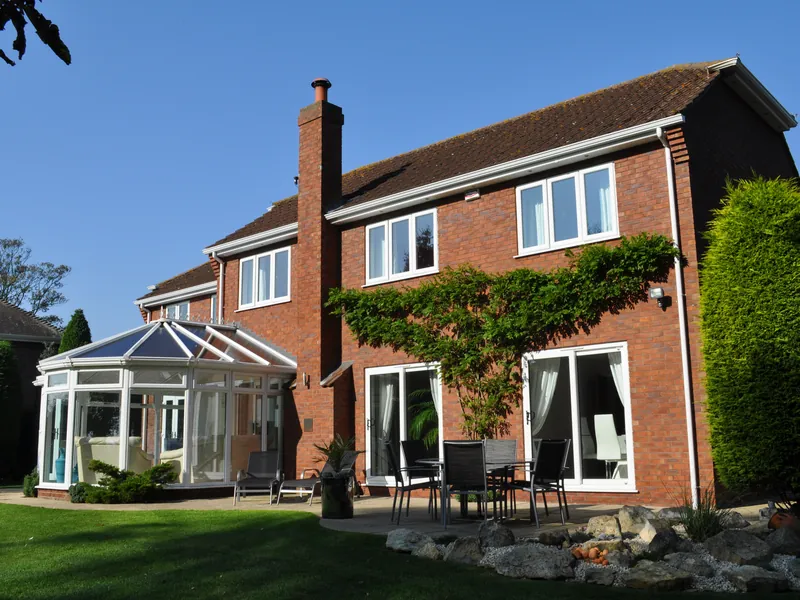
- Bay and bow windows: slim aluminium mullions make a bay feel lighter. See our bay windows and bow windows pages.
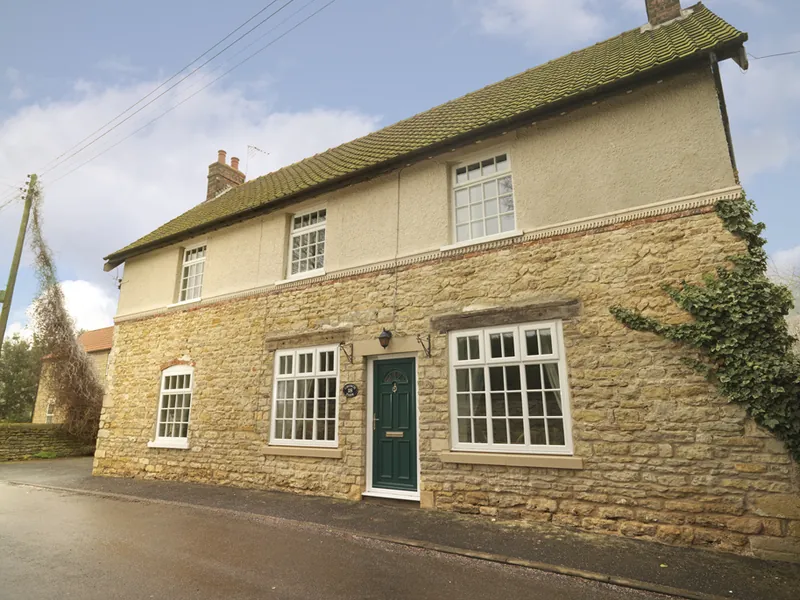
Aluminium windows suit modern homes, new extensions and flats. They also work well on 1930s homes, where slim metal frames were often fitted first time round.
How Aluminium Windows Are Made
Each frame starts as an aluminium extrusion. This is a long, shaped bar with chambers inside. The bars are cut to size and joined at the corners with crimped cleats, so the joints stay tight and square.
The key part is the thermal break. This is a strip of polyamide, a tough, low-conducting plastic, set between the inner and outer parts of the frame. Metal on its own lets heat flow out fast. The thermal break stops that, so the inside of the frame stays warm and dry.
The frames are then powder coated. A fine powder is sprayed on and baked hard in an oven. This gives a tough, even finish that resists fading, chips and salt air.
The glass is a sealed double glazed unit with a warm-edge spacer, argon gas and a low-E coating. It is fixed from the inside with internal beads. Weather seals run round each sash to keep out draughts and rain.
Colours, Finishes and Glass Options
Aluminium gives you more colour choice than any other frame. You can choose:
- Almost any RAL colour, from anthracite grey and black to cream and sage green
- Matt, satin, gloss or textured finishes
- Dual colour, with one shade outside and another inside
- Anodised finishes for a metallic look
For the glass, you can add:
- Triple glazing for extra warmth and quiet
- Acoustic glass for homes near busy roads or railways
- Solar control glass for south-facing rooms
- Obscure glass for bathrooms
- Glazing bars for a period or steel-look style
Not sure if you need two panes or three? Our guide to double vs triple glazing sets out the pros and cons.
Strength, Security and Thermal Performance
Aluminium is one of the strongest frame materials. It does not bend, bow or swell, even on large panes. That makes it a good choice for wide windows and tall openings.
Every window we fit has:
- Multi-point locks on opening sashes
- Locking handles with a key
- Internally beaded glass that cannot be removed from outside
- Toughened or laminated glass where the rules call for safety glass
For heat loss, Part L of the Building Regulations says a new window in an existing home must reach a U-value of 1.4 W/m²K or better. Our thermally broken aluminium windows meet this with standard double glazing. Triple glazing takes the figure lower still.
Aluminium or uPVC?
Aluminium gives slimmer frames, more colour choice and a longer life. uPVC costs less and is a little warmer for the same glass. For a full comparison, read our page on uPVC vs aluminium.
How We Make and Fit Your Windows
We start with a free survey. We measure every opening, check the brickwork and sills, and talk through style, colour and glass. Then you get a written, fixed quote. Once you go ahead, your windows are made to measure.
On fitting day, we take out the old windows one at a time. We fit, fix and seal each new frame, then glaze it and adjust the sashes. We finish the edges inside and out and clear up as we go. Most homes are done in one to two days.
You can read the full journey from survey to after-care on our how we work page.
What Affects the Cost of Aluminium Double Glazing
Aluminium costs more than uPVC, but it lasts longer and needs less care. We do not publish set prices, as each window is built to order. The main cost drivers are:
- Size and number of windows. More and larger windows need more frame and glass.
- Style. Tilt and turn, flush and steel-look windows cost more than standard casements.
- Colour. Dual colours and special finishes add to the price.
- Glass. Triple, acoustic and solar control glass cost more.
- Access. Upper floors and tight spaces may need scaffold or extra time.
- Making good. Damaged sills or reveals add labour.
Every job gets a written, fixed quote after a free survey, with the payment stages set out. For a guide to what shapes the price of each window type, see our double glazing prices page, or request a quote to book your survey.
Looking After Aluminium Windows
Aluminium windows need very little care. A few simple jobs keep them working well:
| Maintenance Tips | Frequency | Warranty Details |
|---|---|---|
| Clean frames and glass | Monthly | 10-year warranty coverage |
| Check seals and gaskets | Bi-annually | Parts replacement guarantee |
| Lubricate hinges | Annually | Labour included in warranty |
| Inspect drainage holes | Semi-annually | Full replacement policy |
| Monitor performance | As needed | Transferable warranty |
Use warm soapy water and a soft cloth. Do not use abrasive pads or strong solvents, as they can scratch the powder coat. In coastal areas, wash the frames more often to clear salt. Keep the drain slots at the base of each frame clear, so rain can run away.
Frequently Asked Questions
How secure is aluminium double glazing?
Very secure. Aluminium frames are strong and rigid, so they are hard to force or flex. Every opening sash has a multi-point lock and a key-locking handle. The glass is fixed from the inside, so it cannot be removed from outside. Where the rules call for it, we fit toughened or laminated safety glass, which is much harder to break.
What maintenance does aluminium double glazing need?
Very little. Wash the frames and glass with warm soapy water a few times a year. Avoid harsh cleaners that could scratch the powder coat. Keep the drain slots clear and wipe the seals. Oil the hinges and locks once a year. In coastal areas, rinse the frames more often to remove salt and keep the finish bright.
Can aluminium double glazing be fitted as a DIY job?
We do not advise it. New windows must meet Building Regulations, so a DIY job needs a building control application and an inspection. Aluminium frames must be fitted level and square, and the seals must be set right, or the windows will leak and stick. Our FENSA certificate covers the work and you will need it when you sell.
How long does aluminium double glazing last?
Aluminium frames last a very long time. They do not rot, warp or rust, and the powder coat holds its colour well. With basic cleaning, the frames will outlast most uPVC and timber windows. The sealed glass units may need replacing sooner than the frames, but a single unit can be swapped without changing the whole window.
Is aluminium double glazing eco-friendly?
Aluminium is one of the most recycled metals in the world. It can be melted down and reused again and again without losing strength. Many frames already contain recycled metal. The long life of the frames means fewer replacements. A thermally broken frame with low-E glass also cuts heat loss, so your home uses less energy.