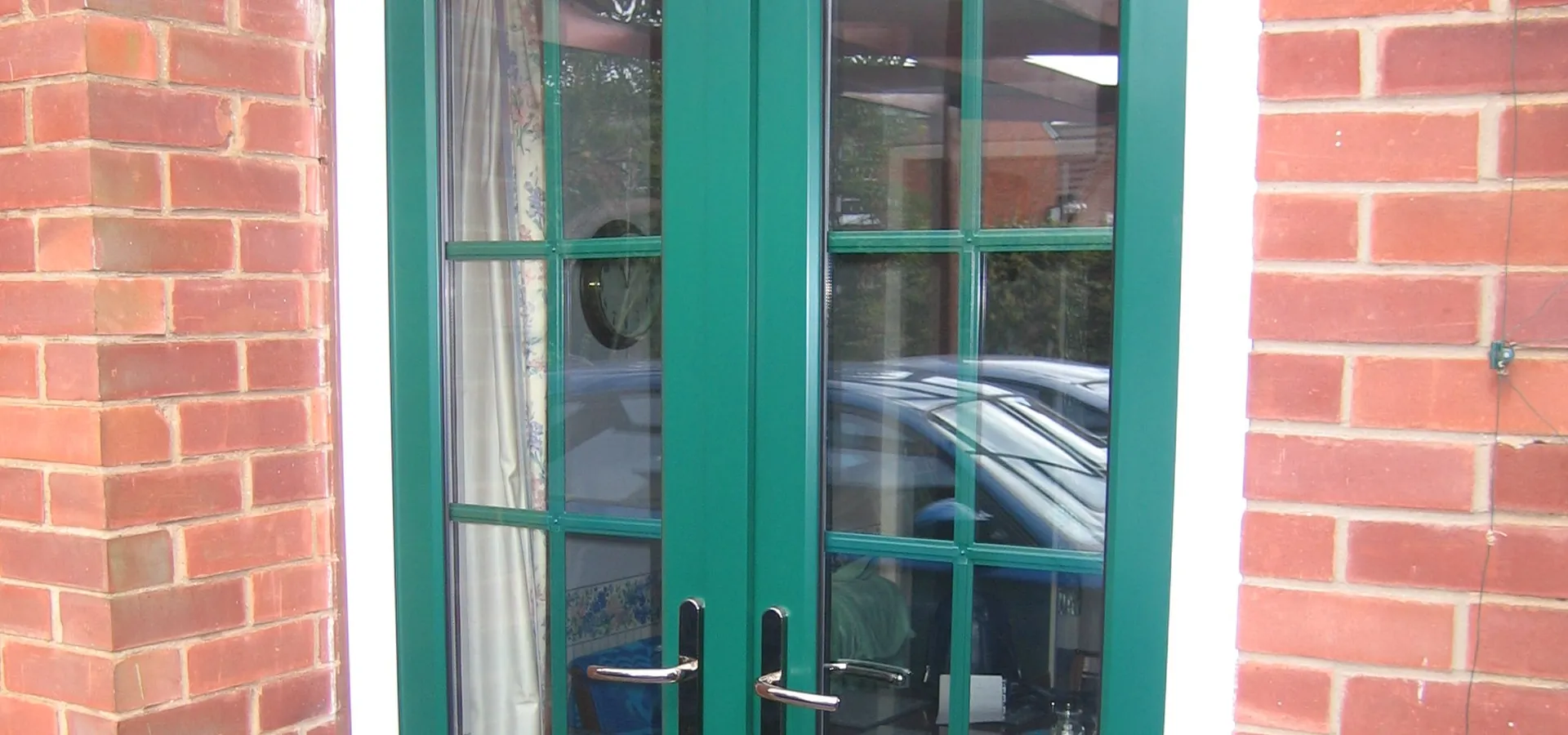
This guide compares uPVC and aluminium windows for homes in Clerkenwell, to help you choose the right frame before you ask for a quote. It is for homeowners weighing up cost, looks and upkeep. You will see how each frame is made, how long it lasts, how it holds heat, and which homes suit which.
We fit both, as part of our double glazing service. Neither frame is best for every home. The right one depends on your budget, the style of the house and how much glass you want.
How Each Frame Is Made
uPVC stands for unplasticised polyvinyl chloride. It is a rigid plastic that is pushed through a die to form long hollow lengths, called profiles. Inside, the profile is split into chambers that trap air. Steel or composite bars run through the main chambers to stiffen the frame. The corners are welded with heat, so they are fully sealed.
Aluminium frames are also pushed through a die, but the metal is far stronger. A plain aluminium frame would carry heat out of the room fast. So modern frames have a thermal break: a strip of polyamide or resin that splits the inner and outer halves. The frame is then powder coated in the colour you choose. Corners are joined with cleats and crimped, then sealed.
That difference in strength drives most of what follows. Aluminium can be much slimmer for the same size of window. uPVC needs a thicker frame to stay rigid.
Looks and Style Options
This is where most people make up their mind.
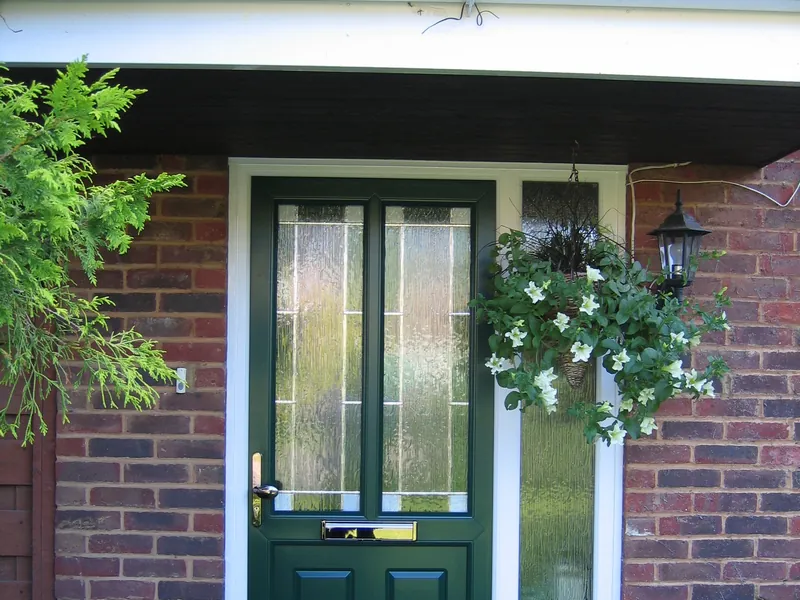
uPVC has come a long way. You can have white, cream, grey, black or a woodgrain foil that looks like painted or stained timber. Flush sash and sculptured profiles soften the look. But the frames are still chunkier than metal, and up close they read as plastic.
Aluminium gives thin, crisp sightlines and more glass. It suits modern homes, extensions and large openings. Powder coating comes in almost any RAL colour, and you can have a different colour inside and out. Slim steel-look frames with glazing bars suit both new builds and some period homes.
- Choose uPVC for a classic look at a lower cost, or a timber-effect finish.
- Choose aluminium for slim frames, bold colours and wide spans of glass.
Heat Loss and Thermal Performance
Both frames can meet Part L of the Building Regulations. In England, a replacement window must reach a whole-window U-value of 1.4 W/m²K or better, or a Window Energy Rating of band B or better.
uPVC starts with an edge. Plastic is a poor conductor, and the chambers trap air. A good 70mm uPVC frame with A-rated double glazing reaches about 1.2 to 1.4 W/m²K with ease.
Aluminium relies on its thermal break. A modern frame with a wide polyamide break reaches similar figures. Because the frame is slimmer, there is more glass, and good glass now insulates as well as the frame. So the gap between the two has closed.
Both can take triple glazing if the frame is deep enough. If you are thinking about a third pane, read our double vs triple glazing guide first. For more on ratings, coatings and spacers, see our guide to energy efficient windows.
What Drives the Cost of uPVC vs Aluminium Windows
Aluminium windows cost more than uPVC windows of the same size and style. We do not publish fixed prices, but here is why the gap exists and what moves the price on any job:
- Material. Aluminium and its thermal break cost more to make than uPVC.
- Finish. Powder coating, dual colours and woodgrain foils all add cost.
- Size. Large panes need stronger frames and heavier glass.
- Opening style. Tilt and turn, sliding and flush sash cost more than a plain casement.
- Glass. Triple, acoustic or laminated glass adds to both types.
- Access and making good. Upper floors, scaffold and repairs to reveals or sills add time.
Every job gets a written, fixed quote after a free survey. You can ask for a quote with both frames priced, so you can see the real gap for your home. Some households may also be able to get help through a window grant, though windows are rarely funded on their own.
When you compare quotes, make sure they match like for like. Check the frame depth, the glass make-up, the U-value and the locks on each one. A low price on aluminium may mean a narrow thermal break or a basic finish. A low price on uPVC may mean thin walls or no steel bars inside.
Think about the cost over the life of the window, too. A frame that lasts longer and needs less work may cost less in the end.
Lifespan, Upkeep and Security
Lifespan. A quality uPVC window, well fitted, lasts many decades. Over time, white uPVC can dull a little in strong sun. Aluminium lasts longer still. The frame does not warp, rot or rust, and a good powder coat holds its colour for decades. In both cases, the sealed glass units may need replacing before the frame does.
Upkeep. Neither needs painting. Wash the frames with warm, soapy water a few times a year. Keep the drain holes clear. Oil the hinges and locks once a year. Avoid harsh cleaners, which can mark uPVC and dull a powder coat. Near the coast, rinse aluminium more often to stop salt building up.
Security. Both can be very secure. Look for multi-point locks, internally beaded glass and frames tested to PAS 24, the UK standard for enhanced security. Aluminium is harder to force by its nature, but a well made uPVC frame with steel bars and good locks also does the job.
Which Homes Suit Which Frame
Use this as a guide. The survey will confirm what works for your home.
| Your home | Usual best fit |
|---|---|
| Semi or terrace on a budget | uPVC |
| Modern home or new extension | Aluminium |
| Large glazed openings or corner windows | Aluminium |
| Period home where a timber look matters | uPVC woodgrain, or timber |
| Home by the sea | Either, with a marine-grade finish for aluminium |
| Bold colour or two-tone finish | Aluminium |
If you want the best value per window, uPVC is hard to beat. If you want slim frames, more light and a frame that will last for decades, aluminium earns its higher cost. Many homes mix the two: uPVC for the main windows, and aluminium for a rear extension or bifold doors.
You can see our ranges on the uPVC double glazing and aluminium double glazing pages. Our how we work page sets out each step from survey to aftercare. All fitting is registered with FENSA and backed by a 10-year guarantee.
Frequently Asked Questions
Do uPVC and aluminium windows reduce outside noise equally well?
Very close. Most of the noise cut comes from the glass and the seals, not the frame. Both can take acoustic laminated glass and panes of mixed thickness, which make the biggest difference. A well fitted, well sealed window of either type will be far quieter than old single glazing. Tell us if noise is a concern, and we will spec the glass to suit.
Which frame is better for listed or period properties?
For a listed building, neither may be allowed, as planners often ask for timber or for secondary glazing. In a conservation area, slim aluminium or a woodgrain uPVC sash may be accepted. Rules vary by council and by street. Always check with your council before you order, and we can help you with what to ask.
Can existing openings take aluminium replacements?
Yes, in most cases. We measure each opening and make the frames to fit. Because aluminium is slimmer, you often gain a little glass. If the old frame was set deep in the wall, we may need to adjust the sill or make good the reveal. We check all of this at the free survey.
Are either window frames recyclable at the end of their life?
Yes. Old uPVC frames can be ground down and made into new profiles, often several times over. Aluminium can be melted and reused many times with no loss of quality. We take away your old windows when we fit the new ones, and send frames and glass for recycling where we can.
Which option offers better long-term value?
It depends on how long you plan to stay. uPVC costs less to buy and lasts for decades, so it gives strong value over a typical stay. Aluminium costs more up front but lasts longer and keeps its looks. If this is your long-term home, or you want slim frames, aluminium can be worth the extra.