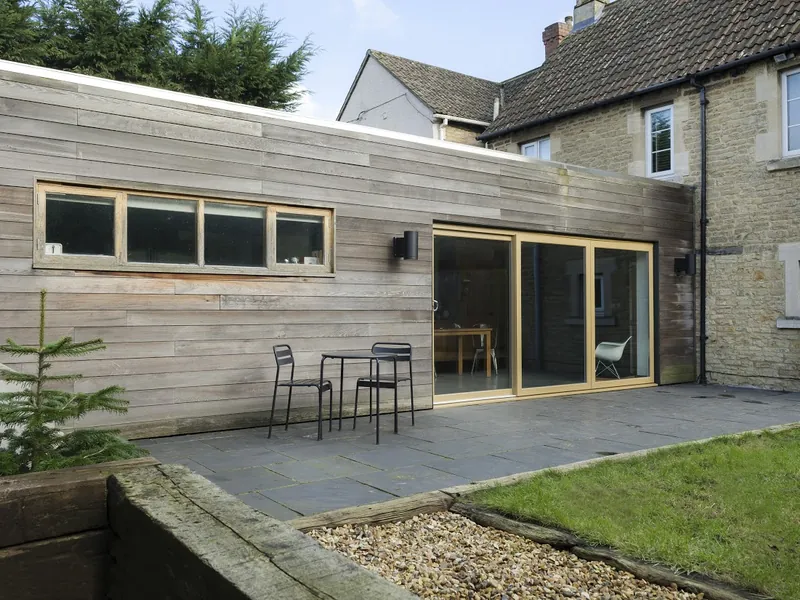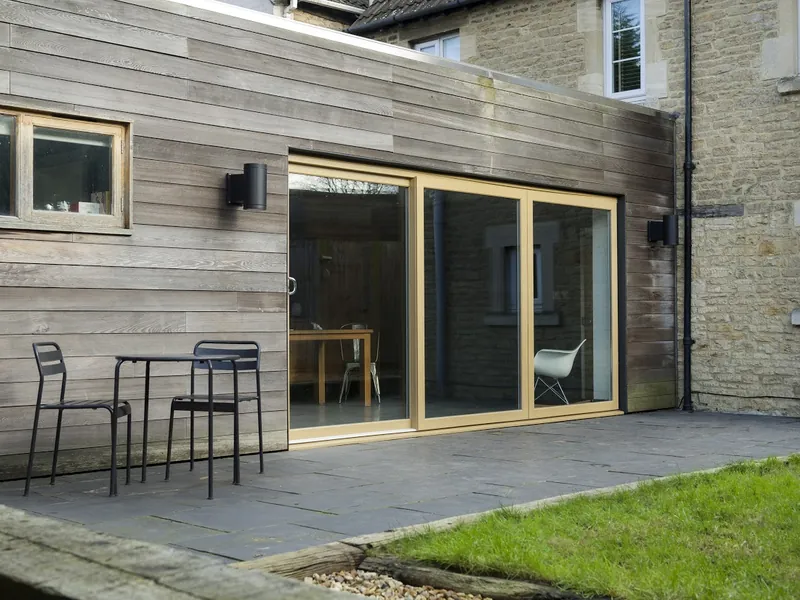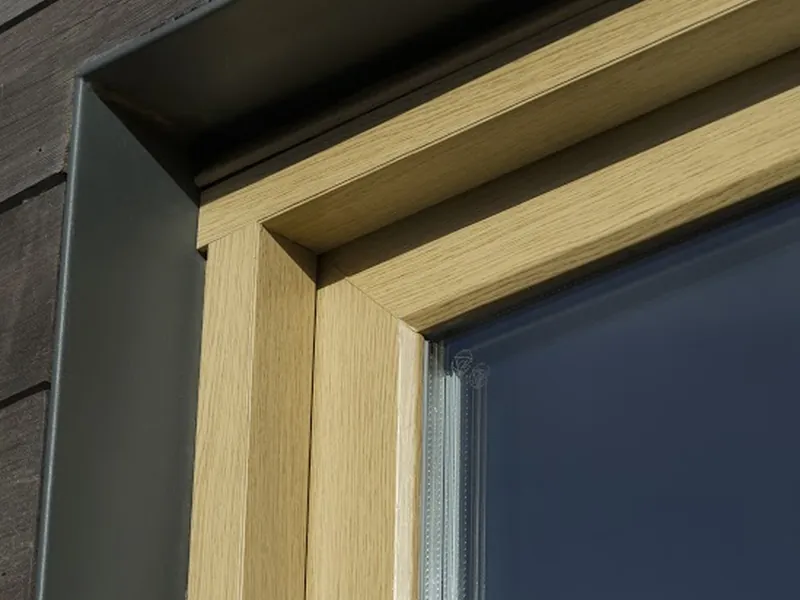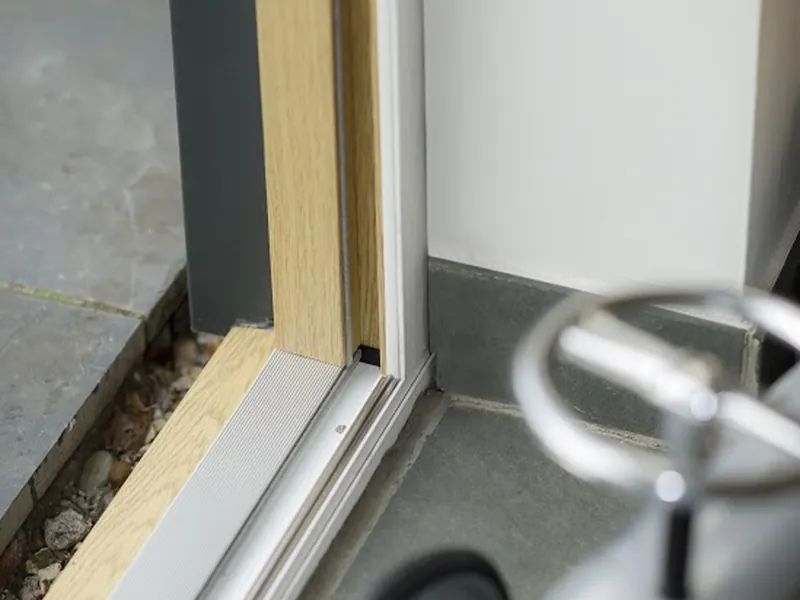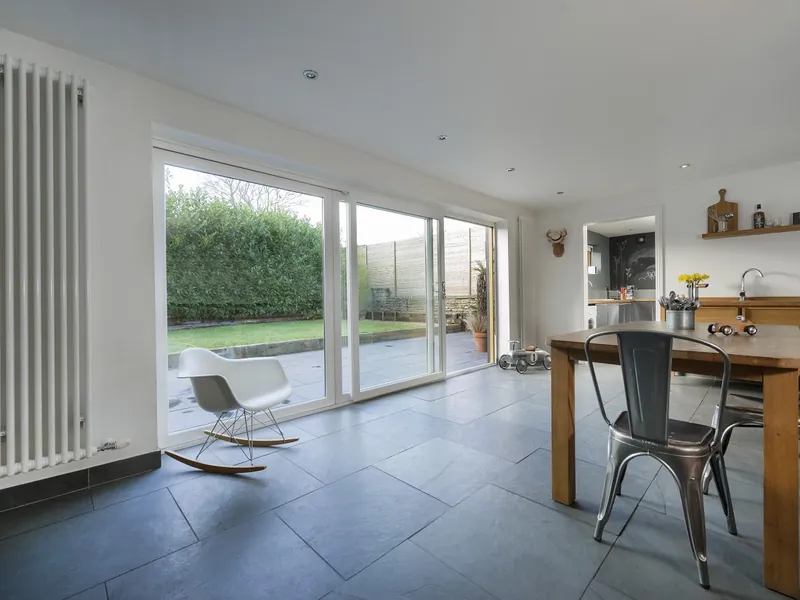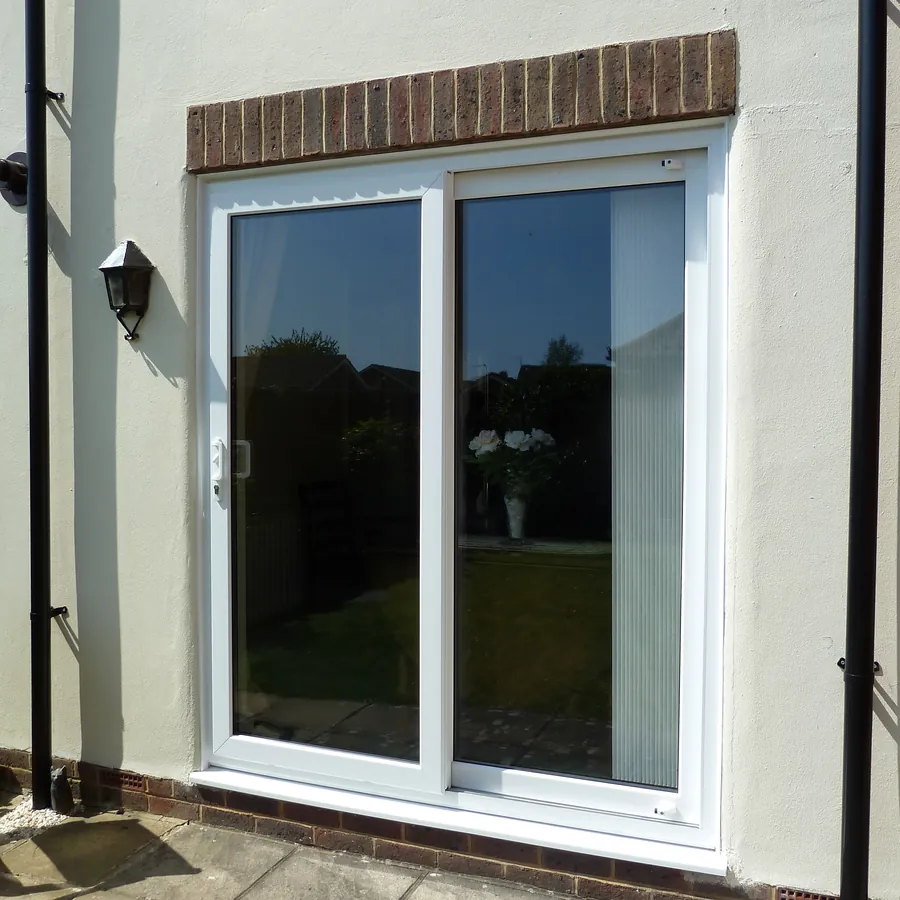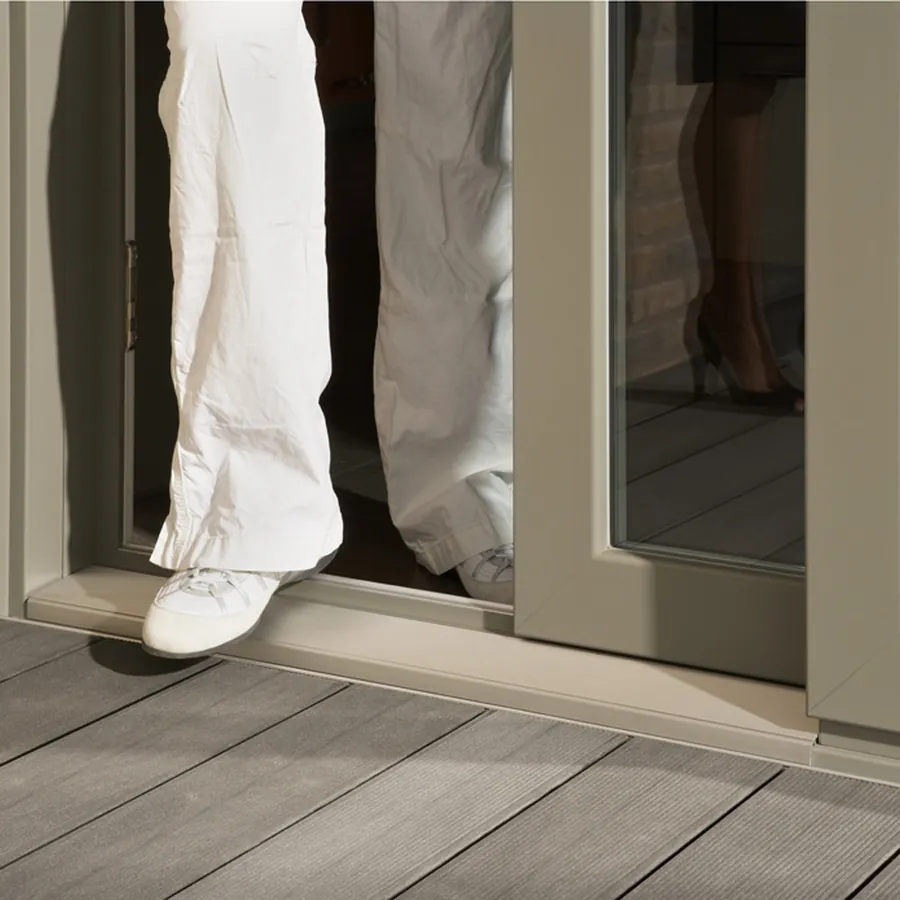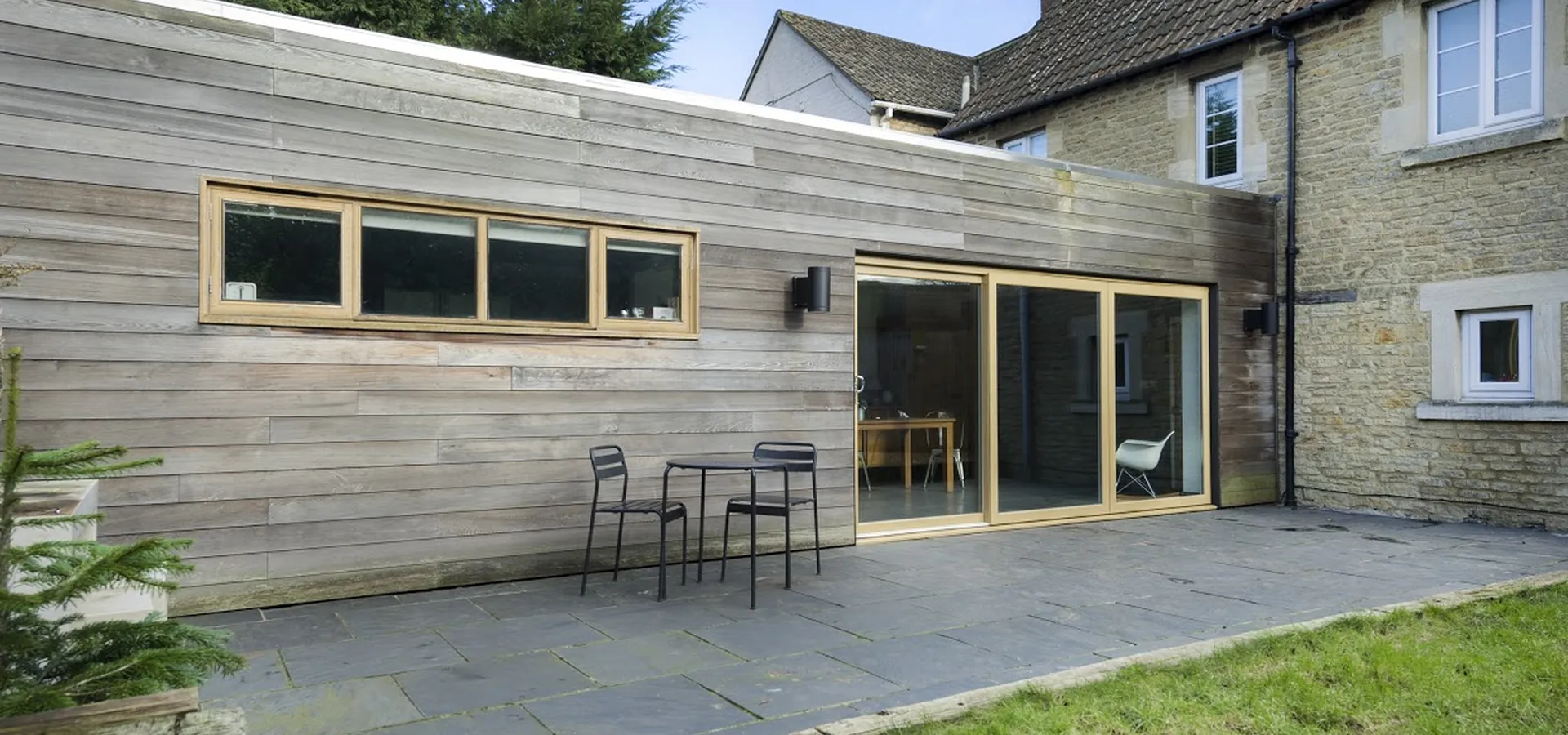
We supply and fit double glazed sliding windows in Clerkenwell, made to measure for your home. This page is for homeowners who want a window that opens without swinging into a room or out over a path. You will learn about the types we fit, how they are built, what drives the cost and how to keep them running well.
Every job is fitted by our own team and signed off under FENSA. Each new window comes with a 10-year guarantee. To see the full range of styles, go to our double glazing windows page, or head back to our double glazing home page.
Types of Sliding Window We Fit
A sliding window has at least one sash that moves along a track. It never swings open, so it takes up no space inside or out. That makes it a good fit for rooms where a casement would get in the way.
- Horizontal sliders: two or three panes, with one or more that glide side to side. These suit wide, low openings such as kitchen windows over a worktop.
- Vertical sliders: sashes that move up and down. They give the look of a classic sash window with modern glass and seals.
- Lift and slide: the sash lifts off its seal before it moves, then drops back down to lock. This gives a tighter seal and a smooth glide on large panes.
- Fixed and sliding mixes: one fixed pane paired with one or two sliders. You keep a wide view and still get fresh air.
If you want a window that tips in at the top for air and swings in for cleaning, look at our tilt and turn windows instead. They work well on upper floors where you cannot reach the outside of the glass.
Frame Materials and Finishes
We make sliding windows in three frame types. Each one has its own feel, upkeep and price.
- uPVC: low upkeep and well sealed. It comes in white, wood-grain foils and a wide range of colours. It is the most common choice for homes in Clerkenwell.
- Aluminium: slim, strong frames that carry large panes with thin sight lines. Powder coating gives a hard, long-lasting colour in almost any shade.
- Timber: warm and natural, and often the right choice for older homes. It needs paint or stain every few years. Our timber double glazing page explains the woods and finishes we use.
Not sure which frame suits you? Our guide to uPVC vs aluminium sets out the pros and cons in plain terms. Most frames can have one colour outside and white inside, so the window fits both your front and your rooms.
How Our Sliding Windows Are Made
Each window is built to the size we measure on site. We do not use stock sizes. The frame is cut, welded or jointed, then fitted with tracks, rollers and seals before it leaves the factory.
Here is what goes into a standard unit:
- Glass: a sealed unit, often 28mm, with two panes, a warm edge spacer and argon gas between them.
- Low-E coating: a thin layer on the inner pane that bounces heat back into the room.
- Seals: brush pile or bulb gaskets along the track, plus Q-LON style gaskets where the sash meets the frame.
- Locks: multi-point locks or hook locks that grip the frame at more than one place.
- Beading: internal beads, so the glass cannot be taken out from the outside.
A good double glazed unit has a centre-pane U-value of about 1.1 to 1.4 W/m²K. Single glass sits near 5.6, so heat leaves far more slowly. Building Regulations Part L sets a limit of 1.4 W/m²K for the whole window, or Window Energy Rating band B or better, when you replace windows. We check every spec against that before we order.
If you want even less heat loss and noise, we can fit triple glazed units in most sliding frames. The extra weight needs stronger rollers, so we check that at the survey. Our page on double vs triple glazing helps you decide if it is worth it for your home.
How We Fit Sliding Windows
Sliding windows need a level, square opening to run well. If the frame is out by even a few millimetres, the sash can drag or leak. So fitting care matters as much as the product.
- We remove the old window and check the opening for rot, gaps or a weak lintel.
- We set the new frame on packers so it sits level and square.
- We fix it into the wall with frame screws, not just foam.
- We test the slide and adjust the rollers until the sash moves with one hand.
- We seal the gap with expanding foam, then finish with silicone and trims inside and out.
Most homes take one or two days. We clean up as we go and leave the room ready to use. The full journey from survey to after-care is set out on our how we work page, so you know what to expect at each step.
What Drives the Cost of a Sliding Window
We do not publish fixed prices for sliding windows, because no two openings are the same. These are the main things that move the price:
- Size: wider and taller panes need more frame, more glass and stronger rollers.
- Frame material: uPVC costs least, aluminium and timber cost more.
- Type of slide: lift and slide gear costs more than a simple track.
- Glass spec: triple glazing, acoustic glass, toughened or obscure glass all add to the cost.
- Colour: dual colours and custom shades cost more than white.
- The opening: rot repair, a new sill or a new lintel adds work on the day.
- Access: upper floors may need a tower or extra hands.
For a wider view of how window prices are worked out, see our double glazing prices page. Every job gets a written, fixed quote after a free survey, with the payment stages set out in it. You can ask for your quote here.
Planning, Building Regulations and Safety
Swapping old windows for new ones in a house is usually allowed without planning permission, as long as they look much the same. Things change in some cases:
- Listed buildings: you need listed building consent for almost any change to the windows.
- Conservation areas: rules may limit the style, material or colour you can use on the front.
- Flats: permitted development rights do not apply to flats in the same way, so check with the council or your freeholder.
All replacement windows must meet Building Regulations. That covers heat loss, safety glass in low or risky spots, and air flow through trickle vents where they were before. As FENSA members, we can self-certify the work. You get a certificate when the job is done, so there is no need to apply to building control yourself.
Sliding windows can also serve as a fire escape on upper floors if the clear opening is big enough. We check this at the survey for any bedroom or loft room.
Looking After Your Sliding Windows
Sliding windows need very little care, but the track is the key part. Dirt and grit in the track make the sash stiff and wear the rollers.
- Vacuum the track every few months, then wipe it with a damp cloth.
- Clear the drain holes at the base of the frame so rain can run out.
- Wipe uPVC and aluminium frames with warm, soapy water. Avoid harsh cleaners.
- Spray the locks and rollers with a silicone spray once a year.
- Check the brush seals. If they look flat or worn, we can replace them.
Timber frames also need a fresh coat of paint or stain from time to time. We tell you what to use and when at handover.
Is a Sliding Window Right for Your Home?
A sliding window is a good choice when:
- the window opens onto a path, patio or balcony where a swinging sash would block the way;
- you have a wide, low opening over a sink or worktop;
- you want a vertical slider that keeps the look of a period sash;
- you want large panes with a clean, modern look.
It is less suited to tall, narrow openings, or where you want the whole window to open wide. In those cases a casement or tilt and turn may work better. We will talk you through the options at the survey and show you samples.
Frequently Asked Questions
How secure are sliding windows?
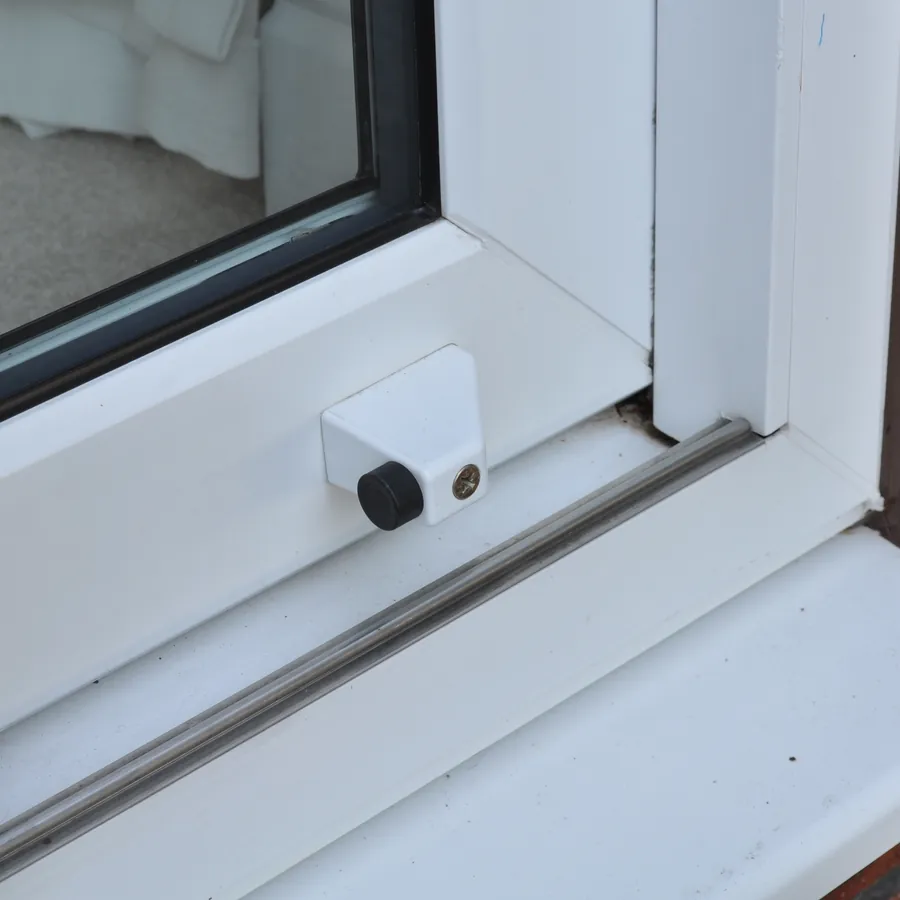
Our sliding windows use multi-point or hook locks that grip the frame in more than one place. The glass is beaded on the inside, so it cannot be pulled out from the outside. Anti-lift blocks stop the sash being lifted off its track. We can add key locks and toughened or laminated glass for extra peace of mind on ground floors and in spots that are easy to reach.
Are sliding windows good for small rooms?
Yes. A sliding sash stays in the line of the frame when it opens. Nothing swings into the room or out over a path, so you can place furniture, blinds or plants right up to the window. That makes sliders a good choice for small kitchens, bathrooms and box rooms, and for windows that face onto a narrow side passage or a busy pavement.
What upkeep do sliding windows need?
Keep the track clean, as grit is the main cause of stiff sliding. Vacuum it every few months and wipe it with a damp cloth. Clear the drain holes so rain can escape. Wipe the frames with soapy water, and spray the rollers and locks with silicone once a year. If the brush seals wear flat, we can fit new ones for you.
Do sliding windows cut out outside noise?
Yes. A well sealed double glazed unit cuts a lot of traffic and street noise. For a busy road, we can fit acoustic glass, which uses a special layer to soak up sound. Triple glazing can help too. The seals matter as much as the glass, so we make sure the sash closes tight against the frame when we fit it.
Do you need planning permission for sliding windows in Clerkenwell?
Most houses do not need planning permission to replace windows, as long as the new ones look much the same as the old ones. Listed buildings need consent, and conservation areas may have extra rules on style and colour. Flats can differ too. We check this for you at the survey, and we self-certify the Building Regulations side through FENSA.