We make and fit double glazed sash window frames in Clerkenwell. This page is for owners of Georgian, Victorian and Edwardian homes, and anyone who loves the classic sliding sash look. You will learn the sash styles we offer, the frame and glass choices, how we fit them, what sets the price and the rules for period homes.
Our fitters are FENSA registered, and every window comes with a 10-year guarantee. We have years of work on period homes. For our full range, see our double glazing windows page or our main double glazing page.
How a Sash Window Works
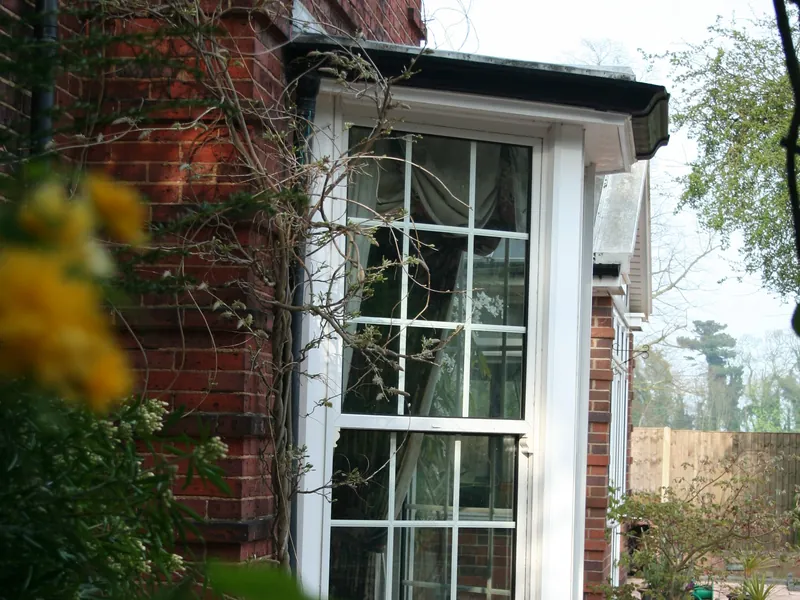
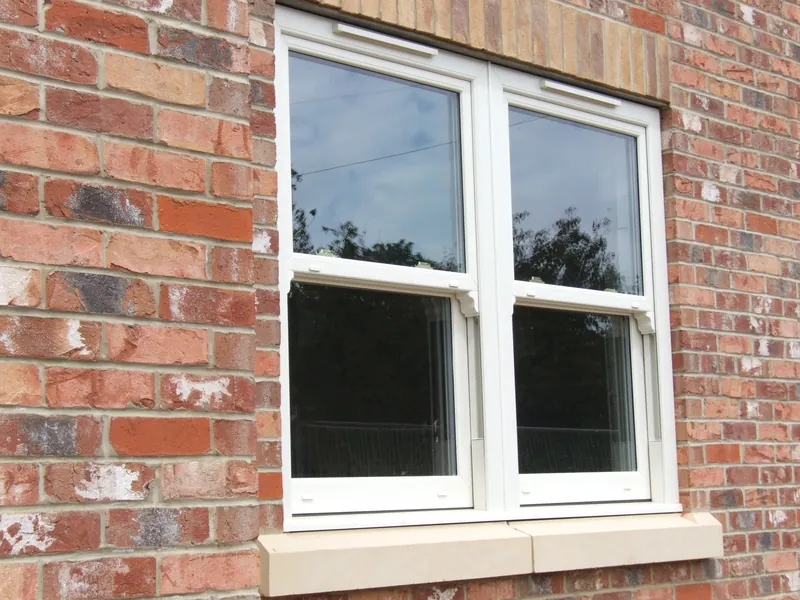
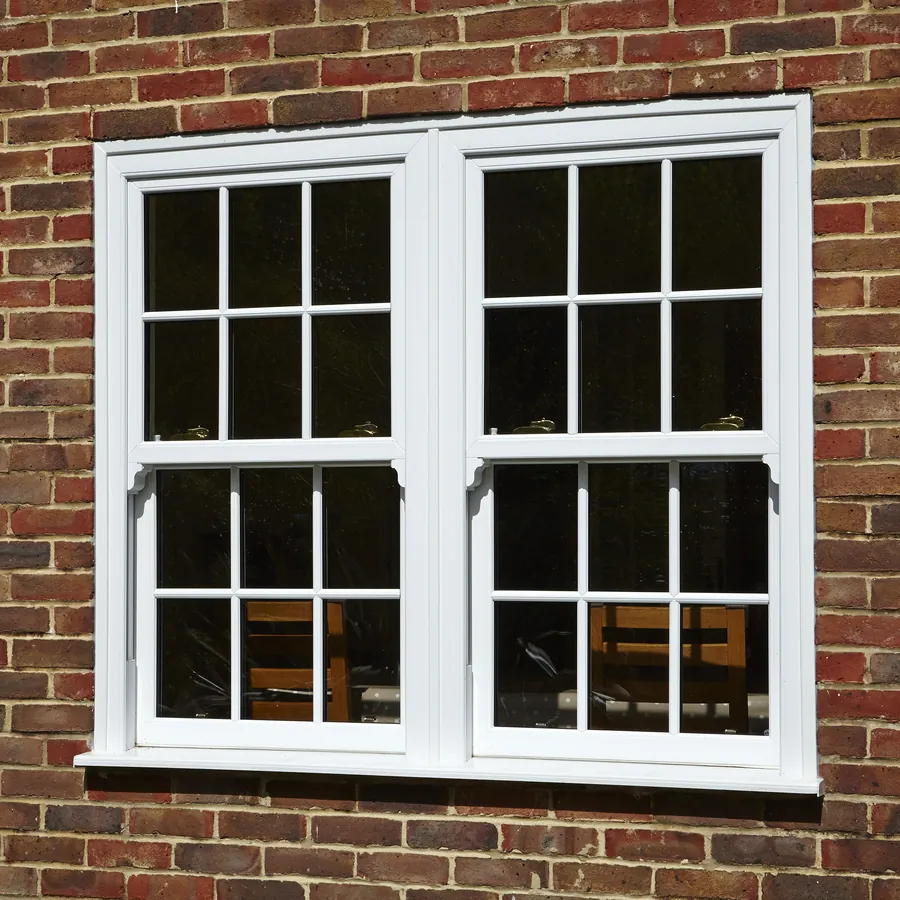
A sash window has two panels, called sashes, that slide up and down in the frame. Old timber sashes hang on cords with iron weights hidden in a box at each side. Modern sashes use spiral or spring balances instead. They hold the sash at any height without cords.
Because you can open the top and bottom at once, sashes are great for air flow. Warm, stale air leaves at the top while cool air comes in at the bottom. Open just the top sash and you get fresh air with no draught at chair height.
Most of our sashes tilt inwards for cleaning. You can wash the outside of the glass from inside the room, which is a big help on upper floors.
Sash Styles and Details
Sash windows have a strong period look, so the details matter. We match the style to your home.
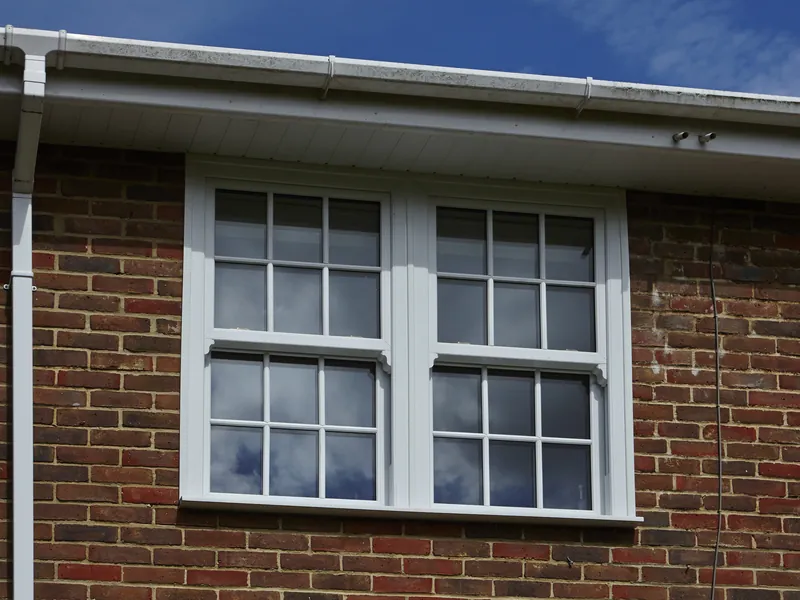
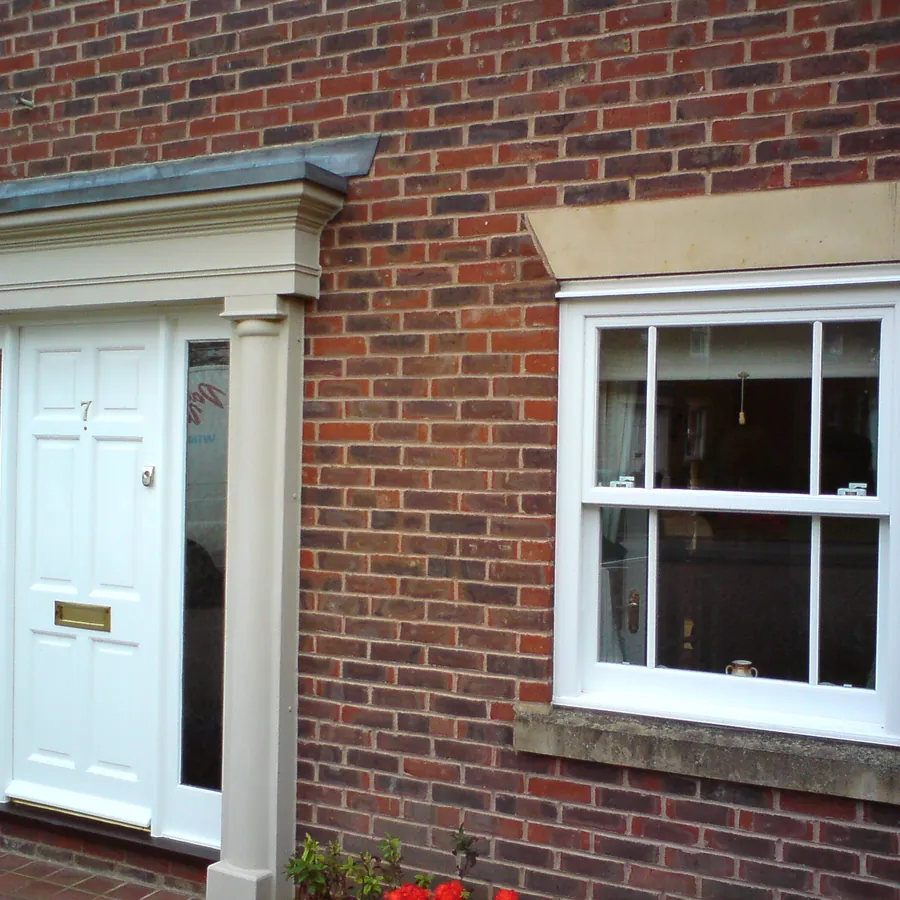
- Bar layouts: one-over-one, two-over-two, or six-over-six for Georgian homes.
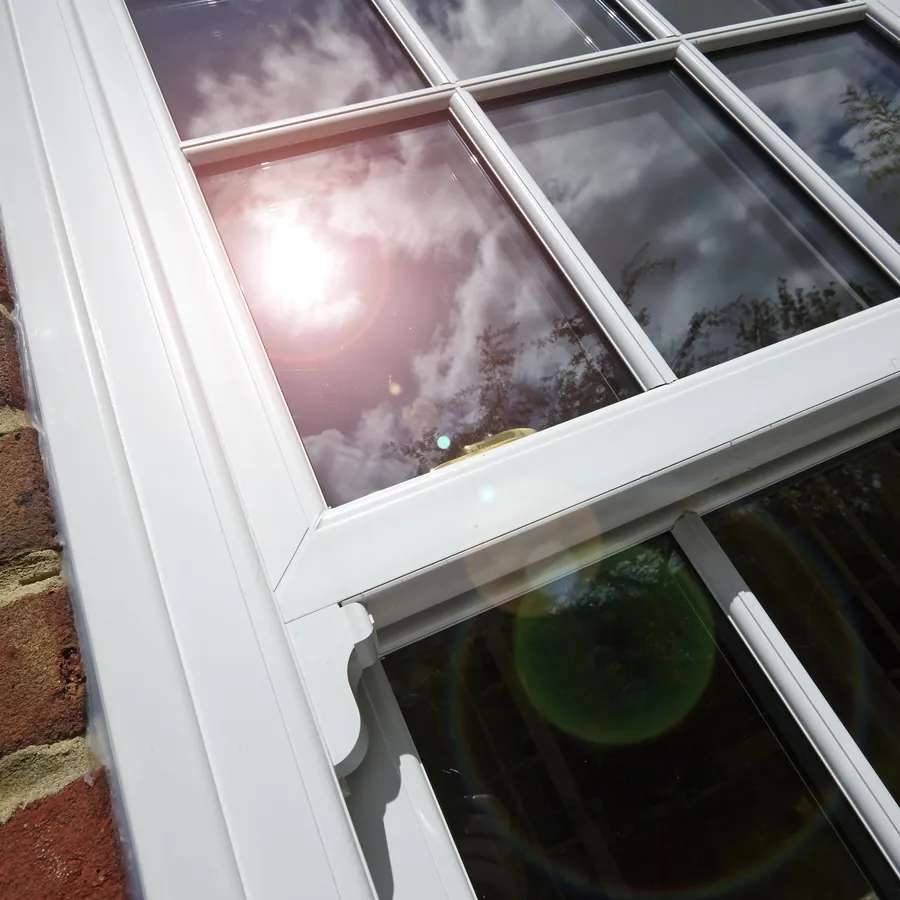
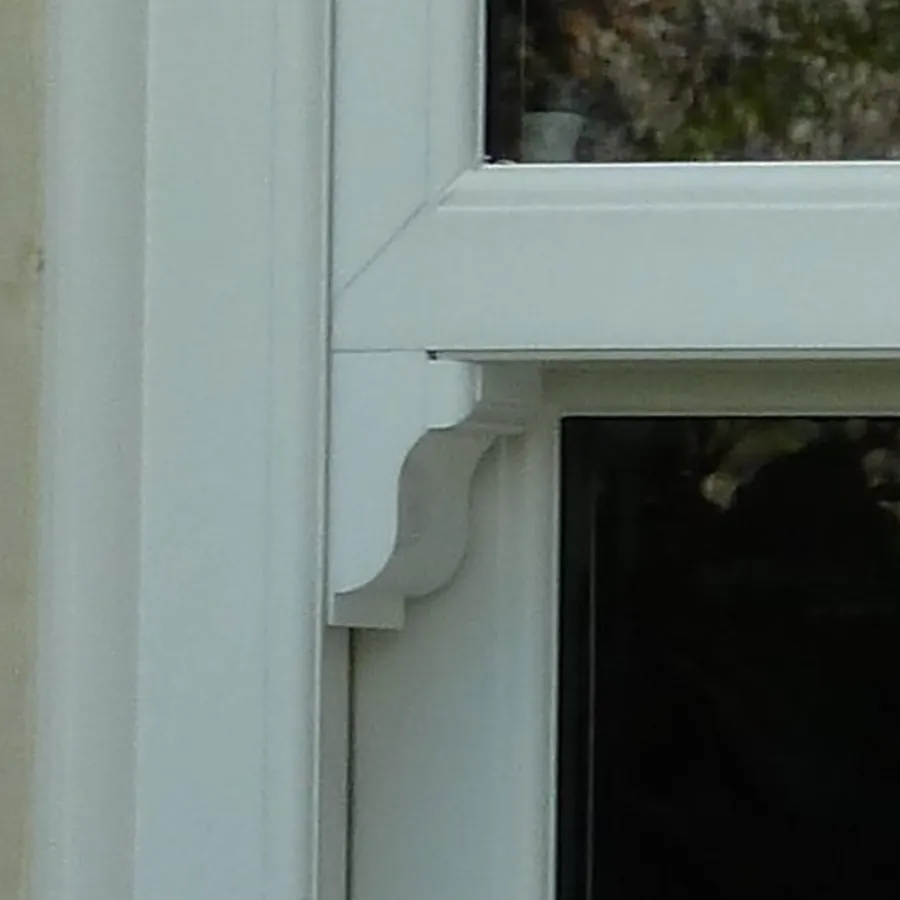
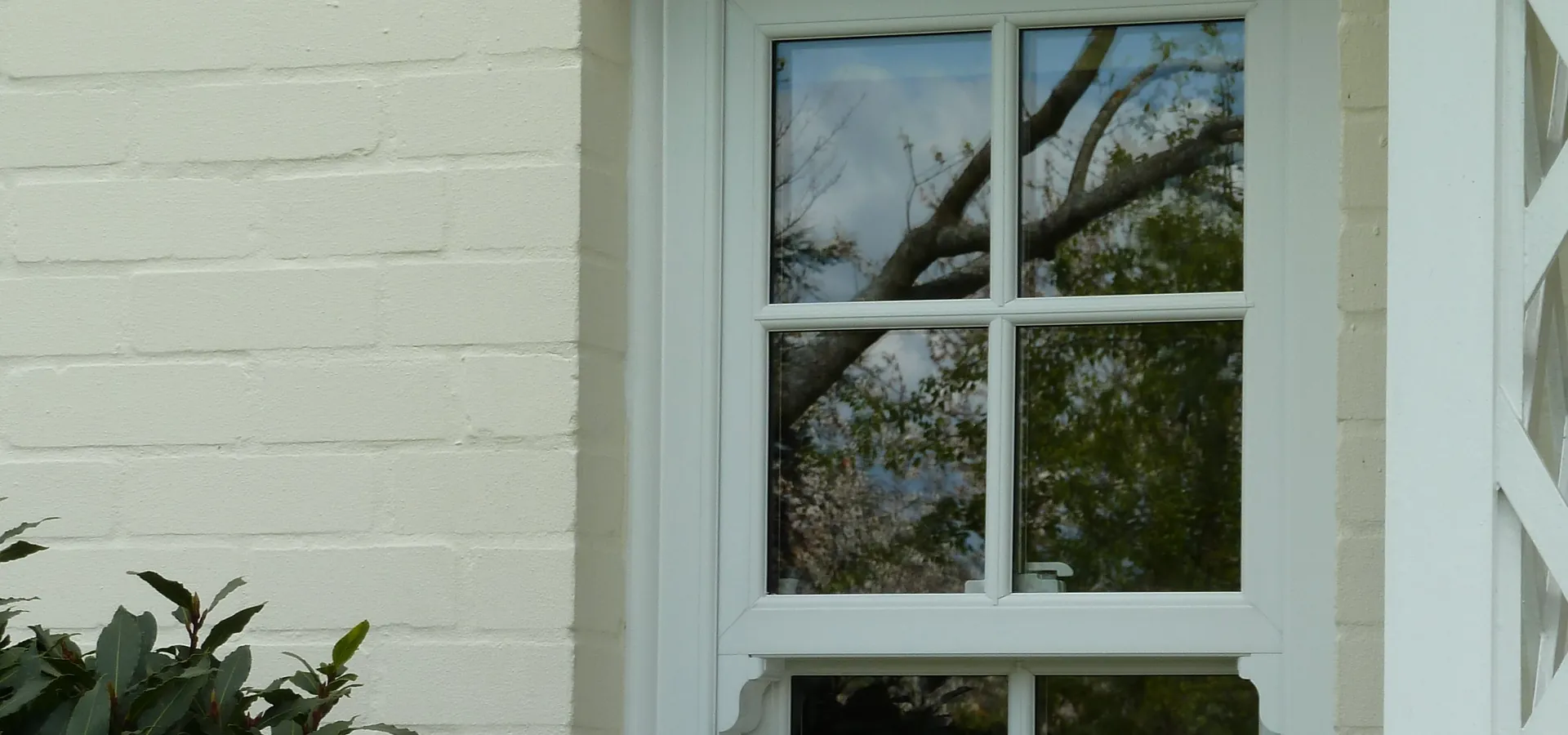
- Run-through horns: small shaped ends on the top sash, seen on most Victorian windows.
- Box sash look: a deep outer frame that matches the old timber boxes.
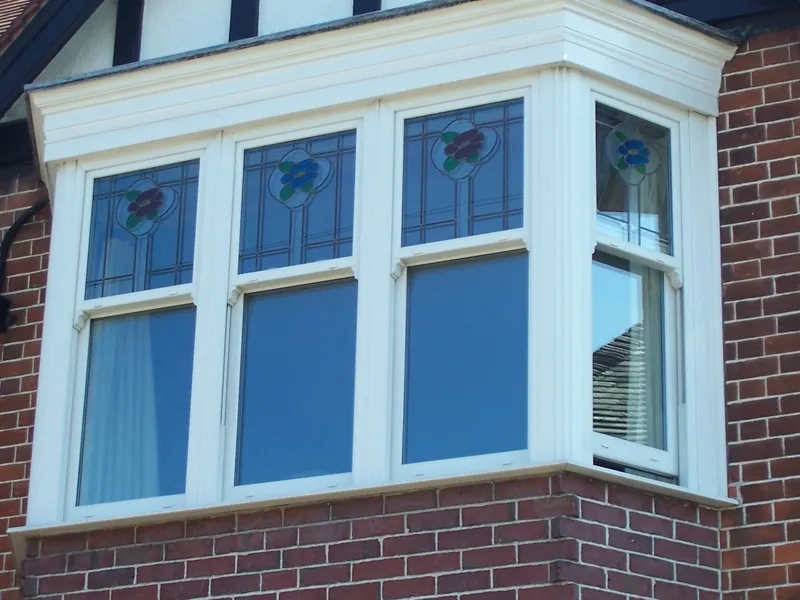
- Arched heads: curved tops for bay fronts and grand openings.
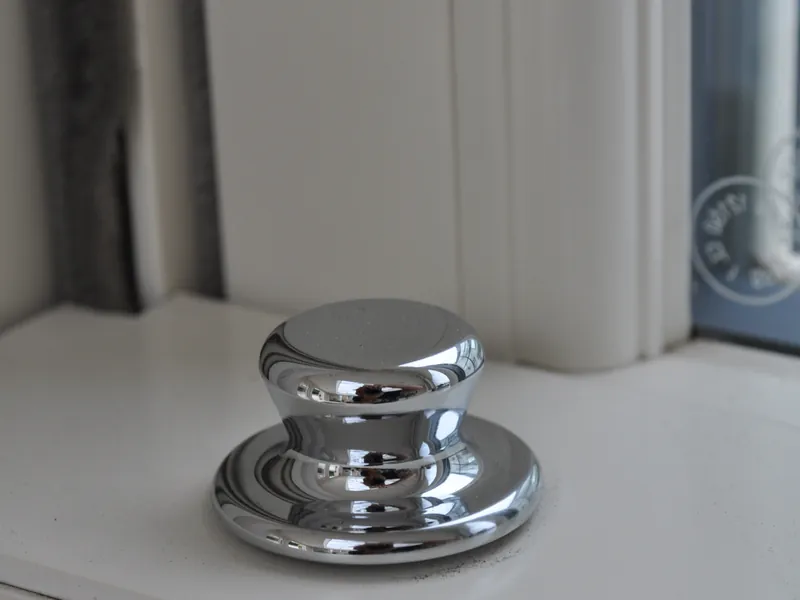
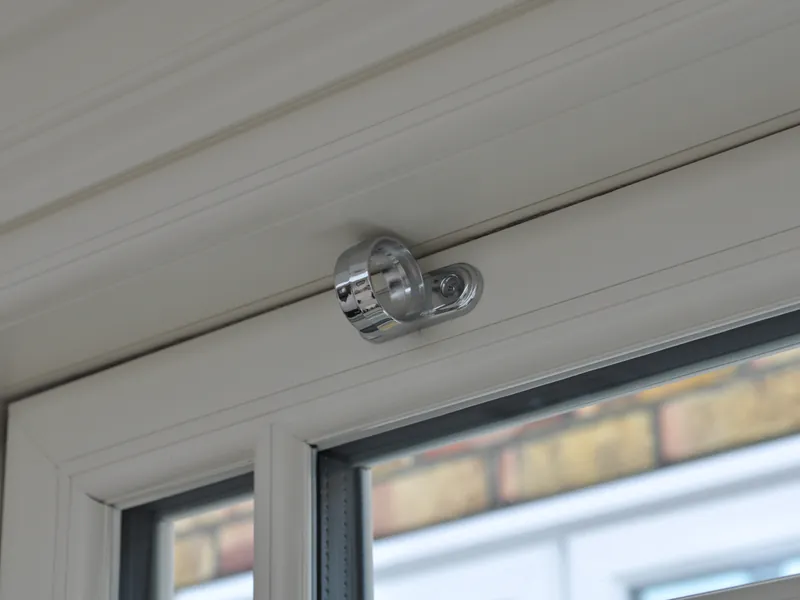
- Hardware: sash fasteners, ring lifts and pulls in brass, chrome, black or pewter.
Bars can be true or stuck to both sides of the glass with a spacer bar between the panes. The second option looks like old divided panes and keeps the glass unit warm.
Frame Materials and Glass
We offer sash windows in uPVC and timber.
- uPVC sash: a sculpted profile, often with a woodgrain foil. It needs no painting and stays warm. It suits most period homes outside listed buildings.
- Timber sash: made in softwood or hardwood with slim double glazing. It is the choice for listed homes and strict conservation areas.
Our standard glass is a sealed unit with a low-E coat and argon gas. It gives a whole-window U-value of about 1.2 to 1.4 W/m²K, which meets Part L in England. For a timber sash, slim units of around 12 to 16mm keep the frames fine. You can also choose acoustic glass for a busy road and toughened glass for low panes.
Each window has sash locks, and many also have restrictors that stop the sash opening too far. Brush seals and gaskets cut out the rattles and draughts that old sashes are known for.
How We Fit Sash Windows
Fitting a sash takes skill, as period openings are rarely square and the look must be right.
- Survey. We measure each opening at several points and note the cill, the reveals and any shutters.
- Agree the details. You choose the bar layout, horns, colour and fittings from samples.
- Make to order. Each sash is built for your openings.
- Remove the old frame. We take out the old box and weights with care to protect plaster and any shutters.
- Fit and finish. We set the new frame level, fix it, seal it inside and out, and test every sash.
Most homes are done in one to three days, based on the number of windows. Our how we work page covers each step from survey to aftercare. In short, we survey, quote in writing, make your windows, fit them and register the job.
What Drives the Cost of a Sash Window
Sash windows cost more than casements, as there are more parts and the frames take longer to build. We do not post fixed prices. These are the main things that set your quote:
- Material: timber costs more than uPVC.
- Size: tall Victorian sashes use a lot of glass and frame.
- Bars: more bars mean more cost.
- Horns and arches: these add work in the factory.
- Colour: woodgrain foils and heritage colours cost more than white.
- Glass: acoustic, slim or toughened units cost extra.
- Access: second-floor sashes may need a tower or scaffold.
- Making good: repairs to old plaster, shutters or stone cills.
Our double glazing prices page shows how sashes compare with other styles. For your home, we carry out a free survey and send a written, fixed quote. You can ask for a quote online. The quote also sets out the payment stages. If you qualify for help with energy upgrades, see our window grants page.
Conservation Areas and Listed Homes
Many sash windows sit in conservation areas or on listed homes. The rules there are tighter.
- Houses outside these areas: like-for-like replacement rarely needs planning permission.
- Conservation areas: many councils use an Article 4 direction to control front windows. Some accept uPVC sashes that match the old look. Others ask for timber.
- Listed buildings: you need listed building consent. Councils often prefer repair, or secondary glazing fitted inside the old sashes.
- Flats: check the lease and speak to the freeholder.
All replacement windows must meet Building Regulations. As a FENSA installer, we self-certify the job and send you a certificate.
Sash or Another Style?
A sash is the right choice for a period home with sash openings. It keeps the look of the street and the value of the house. On a modern home, a sash can look out of place and costs more than it needs to.
If you want a sliding window for a wide, low opening, our sliding windows slide side to side and suit cottages and modern extensions. If the council will not allow new frames, secondary glazing keeps your old sashes and adds warmth behind them.
Frequently Asked Questions
How do sash windows help with air flow?
You can open the top and bottom sashes at the same time. Warm, stale air leaves through the top gap, and cool, fresh air comes in at the bottom. That makes a gentle flow through the room. Open just the top sash for air without a draught. Restrictors let you leave a small gap open safely at night.
Can you fit new sash windows in a conservation area?
Often, yes. Many councils accept new sashes that match the old ones in style, bars and horns. Some ask for timber, and some control only the front of the house. Check with the council first, as each area has its own rules. We can supply drawings and samples to help with any application.
What upkeep do sash windows need?
uPVC sashes need very little. Wipe the frames and glass with warm, soapy water a few times a year. Tilt the sashes in to clean the outside. Keep the runners clear of grit and check the balances slide well. Timber sashes need a fresh coat of paint every few years to keep the wood sound.
Are sash windows good on a noisy road?
Yes. Modern sashes seal far better than old ones, as brush seals and gaskets close the gaps. For a busy road, choose acoustic glass with a laminated pane. It cuts traffic noise much more than standard units. For a listed home where new frames are not allowed, secondary glazing behind the old sash is the best way to cut noise.
Which glass should a sash window have?
For most homes, a standard double glazed unit with a low-E coat and argon is the best balance. Choose acoustic glass near a main road, toughened glass for low panes, and obscure glass for bathrooms. For timber sashes on period homes, slim units keep the frames fine. Our surveyor will suggest the right glass for each room.