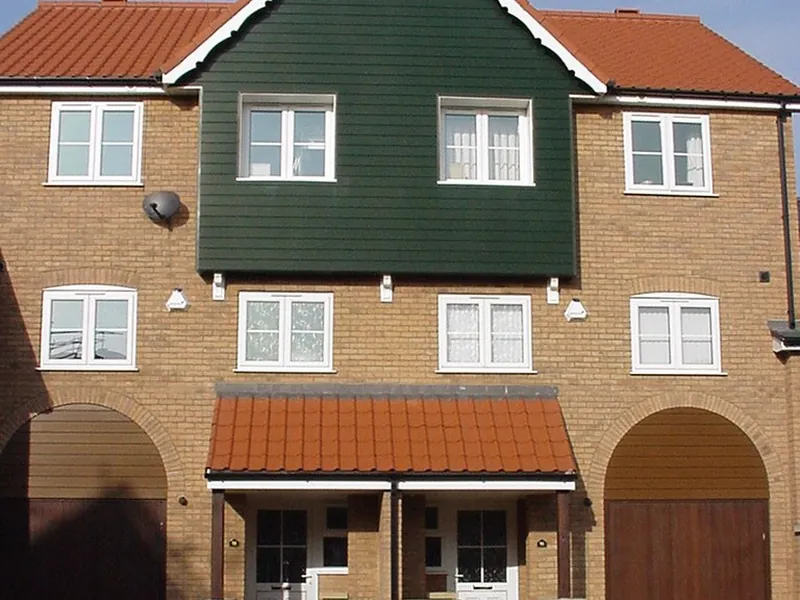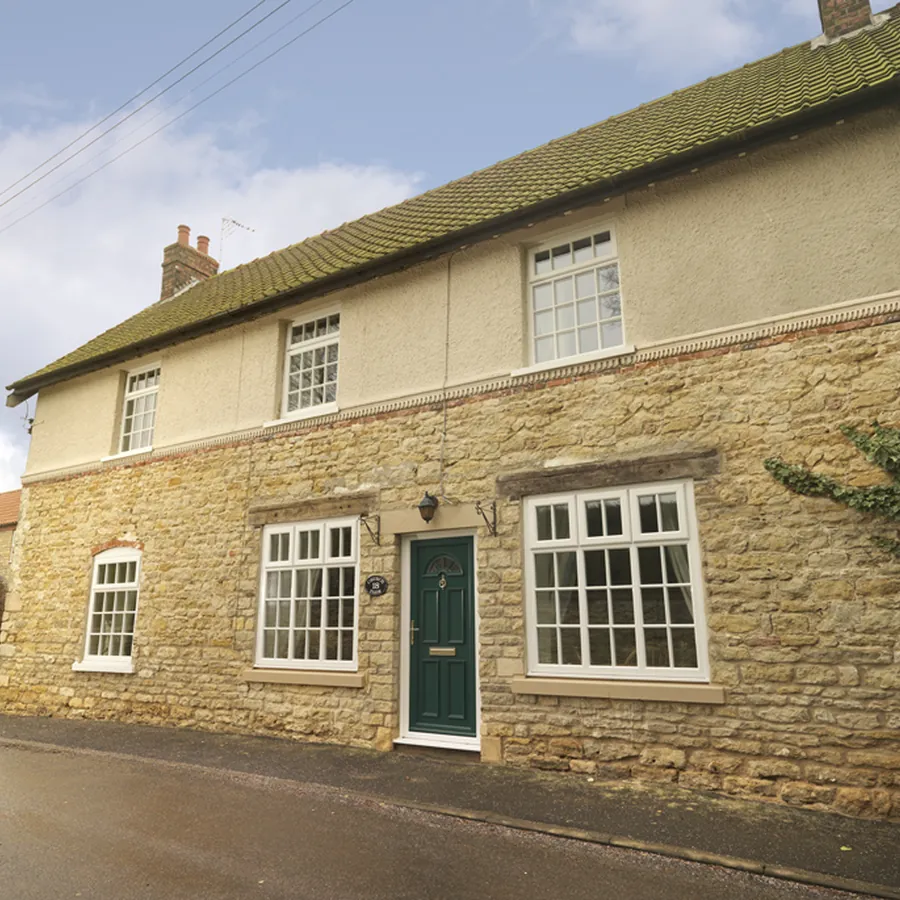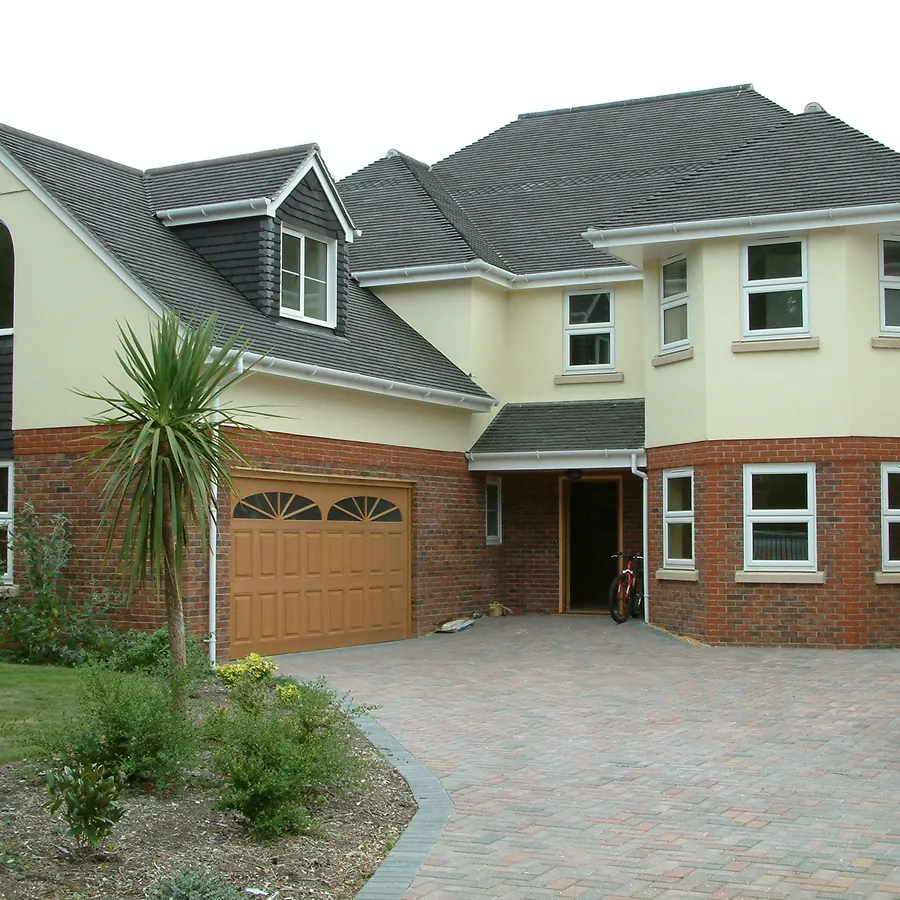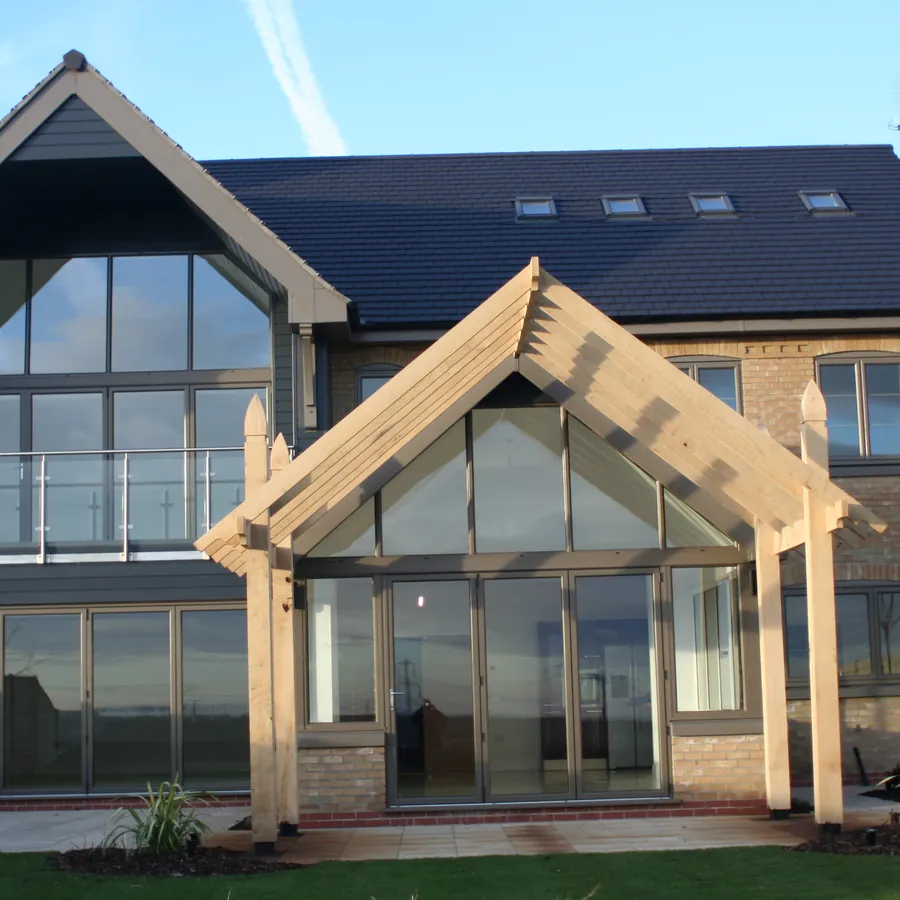
We supply and fit double glazing windows in Clerkenwell for houses, flats and bungalows of every age. This page is for homeowners who are planning new windows and want to know their options before a survey. You will find the main window styles we fit, the frame materials, how the glass works, the rules to know, what drives the cost and how to pick the right window for each room.
Window fitting is the core of our double glazing work across Clerkenwell. We are FENSA registered, so we sign off every job under Building Regulations, and our windows come with a 10-year guarantee. When you are ready, ask for a free quote.
Window Styles We Fit
Each style below has its own page with more detail, photos and options. Here is a short guide to what each one does best.
Casement Windows
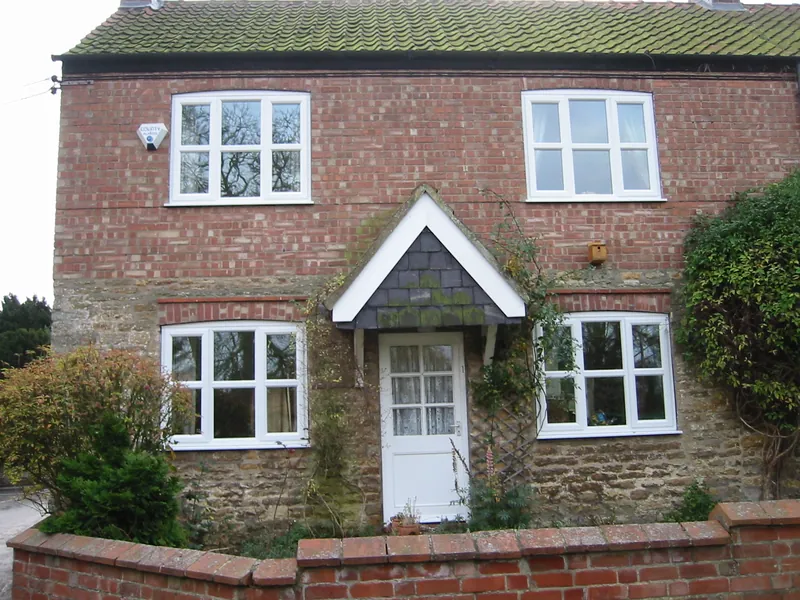
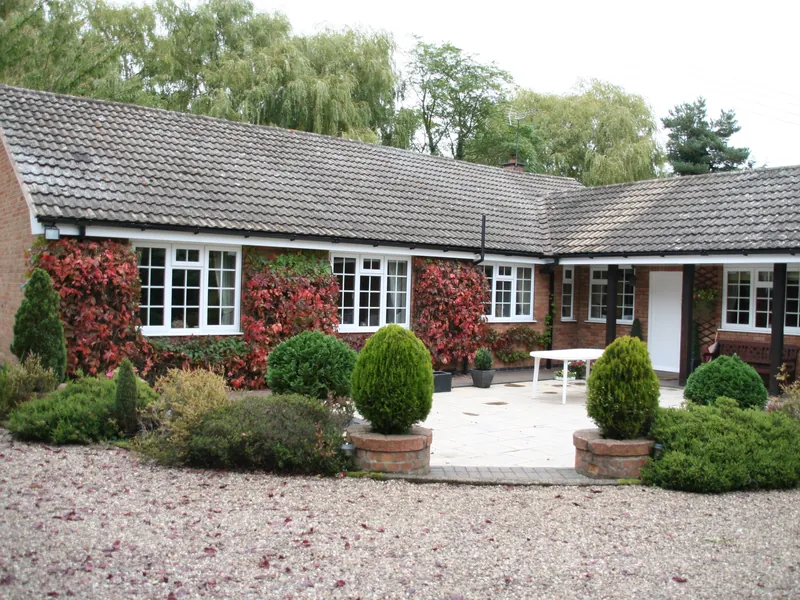
Casement windows are the most common style in UK homes. The sash is hinged at the side or top and opens outwards with a handle. They are simple, strong and good value. You can mix opening and fixed panes, add top lights and choose from many colours and glass types. Casements suit most houses built from the 1930s onwards.
Flush Casement Windows
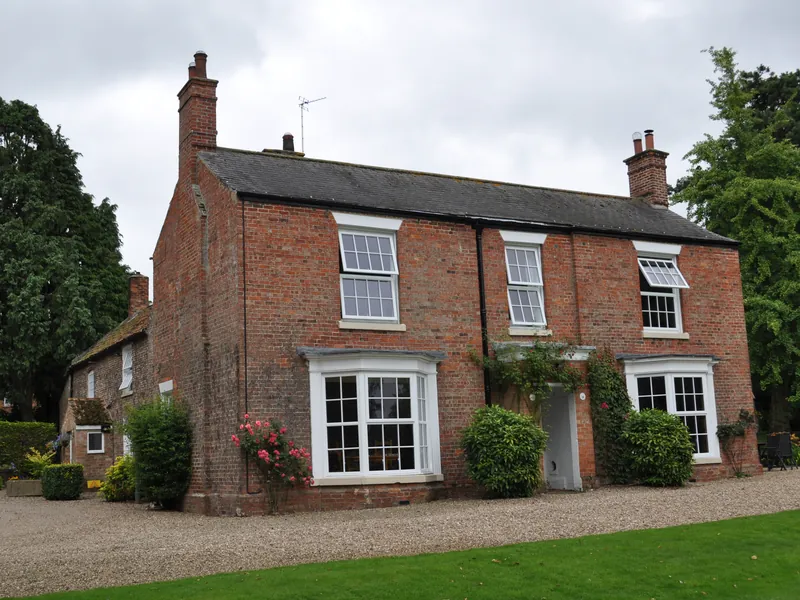
Flush casement windows look like traditional timber windows. The sash sits level with the frame when closed, instead of standing proud of it. This gives a neat, clean look that suits cottages, period homes and modern houses alike. They are popular in conservation areas, as they keep the look of the original windows with the warmth of new glass.
Aluminium Windows
Aluminium double glazing gives slim frames and large panes, so you get more glass and more light. The metal is strong and long lasting, and a powder coat finish comes in almost any colour. Thermally broken frames keep heat in. Aluminium suits modern homes, extensions and anyone who wants a crisp, minimal look.
Bay Windows
Bay windows project out from the wall in three or more angled sections. They add floor space, bring in light from several sides and give a room a focal point. We replace bays in uPVC, aluminium and timber. Each one is measured with care, as the angles and the roof above must line up exactly. Where the old bay was holding up the roof or the wall above, we fit bay poles or a new support so the load is carried safely.
Bow Windows
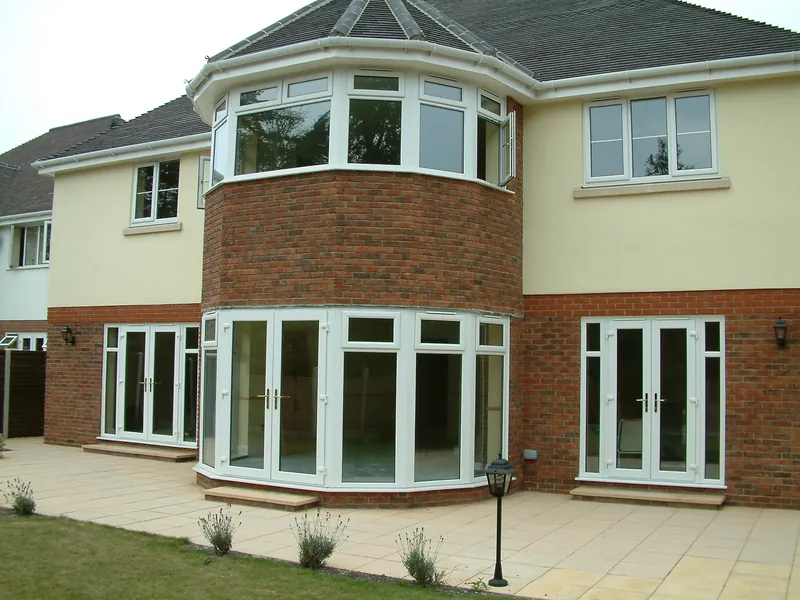
Bow windows are like bays, but they curve out in a gentle arc made of four or more panes. They give a soft, rounded look and a wide view of the street or garden. Bow windows suit period homes and living rooms where you want a cosy window seat. Like bays, they need careful measuring and the right support for the roof above.
See also our guide to misted double glazing repair.
Frame Materials
The frame shapes the look, the upkeep and the life of your window. Here is how the main options compare.
- uPVC: good value, warm and easy to clean. It never needs painting and comes in white, wood grain, greys and more.
- Aluminium: slim, strong and modern. It holds large panes and lasts for many years with little care.
- Timber: a natural, classic choice for period homes. It needs paint or stain every few years, but it can be repaired.
- Composite and alu clad timber: timber inside for warmth and looks, with a tough outer skin that needs less upkeep.
Most homes choose uPVC for value, aluminium for a modern look or timber for a heritage home. We bring samples to the survey so you can compare them side by side.
Glass and Energy Performance
Our sealed units use two panes of glass with argon gas in the gap and a low-E coating on the inner pane. This keeps more heat in your home and stops cold spots near the glass. Warm edge spacer bars reduce heat loss round the edge of the pane. A typical whole window U-value for our units is 1.4 W/m²K or lower, which meets the Part L limit for replacement windows in England. For more on window energy ratings, triple glazing and how glass affects your heating, see our guide to energy efficient windows.
Special Glass
- Acoustic glass: for homes on busy roads, rail lines or flight paths.
- Obscure glass: for bathrooms and side windows where you need privacy.
- Toughened and laminated glass: required in low panes and near doors, and good for security.
- Self clean glass: a coating that helps rain wash dirt away, handy for hard to reach windows.
Colours, Hardware and Finishing Details
Small details make a big difference to how new windows look on your home. We help you get them right so the windows suit the house, not just the room.
- Colours: white, cream, anthracite grey, black, green and many wood grain finishes. You can have one colour outside and white inside.
- Glazing bars: Georgian bars or astragal bars give a period look that suits older homes.
- Handles: chrome, gold, black, white and satin finishes, all with locks.
- Sills and trims: new sills and neat trims hide the join between frame and wall.
- Trickle vents: small vents in the frame let fresh air in and help stop damp.
If your home sits in a terrace or a row of matching houses, we will suggest a style and colour that fits in with the street. We bring colour samples to the survey so you can see them in daylight next to your brick or render.
Security and Safety
New windows make your home a lot harder to break into. All our windows come with:
- Multi point locks that hook into the frame at several points.
- Internal beading, so the glass cannot be removed from outside.
- Locking handles, so the window cannot be opened from outside.
- Restrictors on upstairs windows to keep children safe.
Upstairs bedrooms also need a fire escape window, with an opening large enough for a person to climb out. We check this on every job and fit easy clean or escape hinges where needed.
Building Regulations and Planning
Replacing windows must meet Building Regulations, which cover heat loss, safety glass, air flow and fire escape. As a FENSA registered installer, we can sign off the work ourselves and send you a certificate. Keep it safe, as you will need it when you sell.
In most houses, you do not need planning permission to replace windows if the new ones look broadly similar. Flats, listed buildings and homes in a conservation area may need consent, especially if you change the style or material. We tell you at the survey if this applies.
On fitting day, we lay dust sheets, take out the old frames with care and fit the new ones square and level. We seal each frame inside and out, fit new trims and sills, and test every handle and lock with you. Most homes take one to three days, depending on the number of windows. We take the old frames away for recycling and leave the rooms clean.
What Drives the Cost of New Windows
We do not list fixed prices here, as every window is made to measure. Each job gets a written, fixed quote after a free survey. These are the main things that shape the price:
- Size and number: larger windows cost more, but fitting several at once saves on time per window.
- Style: casements cost the least. Flush casements, bays and bows take more work.
- Material: uPVC is the most affordable, then aluminium, then timber.
- Colour: white is the base. Wood grain, grey and dual colour frames add to the cost.
- Glass: acoustic, laminated, obscure or triple glazed units cost more than standard glass.
- Access: high windows may need a tower or scaffold.
- Making good: repairs to plaster, sills and brick after the old frames come out.
Payment stages are set out in the written quote. Our how we work page explains each step, from survey to fitting and handover, in full.
Choosing the Right Windows
Start with the house. Match the style to the age and character of your home. A Victorian terrace may suit flush casements or a new bay. A 1960s semi often looks best with simple casements. A modern build or extension suits slim aluminium frames.
Then think about each room:
- Living room: a bay or bow window adds light and space.
- Bedrooms: fire escape hinges and acoustic glass for a quiet night.
- Bathroom: obscure glass and a top opening vent.
- Kitchen: easy to open handles and a sash that clears the taps.
Last, think about upkeep. If you do not want to paint, choose uPVC or aluminium. To keep windows working well, wipe the frames with warm soapy water, keep the drain holes clear and oil the hinges and locks once a year.
More window options we fit in Clerkenwell:
- Sash Windows
- Secondary Glazing
- Sliding Windows
- Tilt and Turn Windows
- Timber Double Glazing
- uPVC Double Glazing
Frequently Asked Questions
How long do double glazed windows last?
Good quality uPVC and aluminium windows should last for decades with basic care. Timber windows can last just as long if they are painted and kept in good order. The sealed glass units may need replacing sooner if they start to mist up, but that is a simple swap and does not mean a new frame. Our windows come with a 10-year guarantee.
Can double glazing cut outside noise on a busy road?
Yes. New double glazed windows with good seals cut a lot of noise compared with old single glass or worn frames. For main roads, rail lines or late night streets, acoustic laminated glass and panes of different thickness give the best result. A snug fit matters too, as gaps let sound in. We look at the noise on site and suggest the right glass.
Is planning permission needed to replace windows?
For most houses, no. Replacing windows is usually permitted development if the new ones look similar to the old. You may need consent if you live in a flat, a listed building or a conservation area with extra controls. Every job must still meet Building Regulations, and we provide the FENSA certificate to prove it.
What maintenance do uPVC, aluminium and timber windows need?
uPVC and aluminium need very little. Wipe the frames with warm soapy water, keep drain holes clear and oil the hinges and locks once a year. Avoid harsh cleaners, which can mark the finish. Timber needs the same plus fresh paint or stain every few years, and a quick check for soft spots or flaking paint, mainly on sills.
Do new windows add value to a home?
New windows can make a home more appealing to buyers, as they improve the look, warmth and security of the house. Old, rotten or misted windows are often flagged in surveys and can put buyers off. Make sure you keep your FENSA certificate and guarantee papers, as a buyer's solicitor will ask to see them.