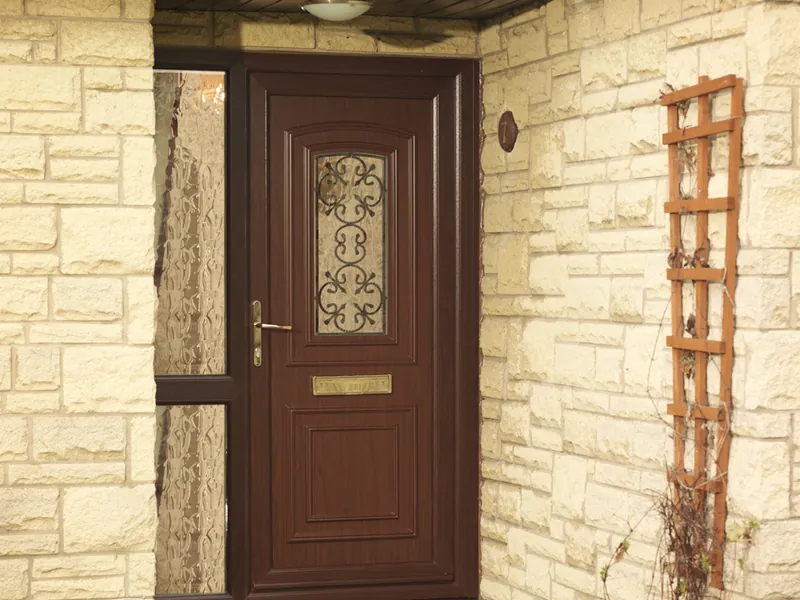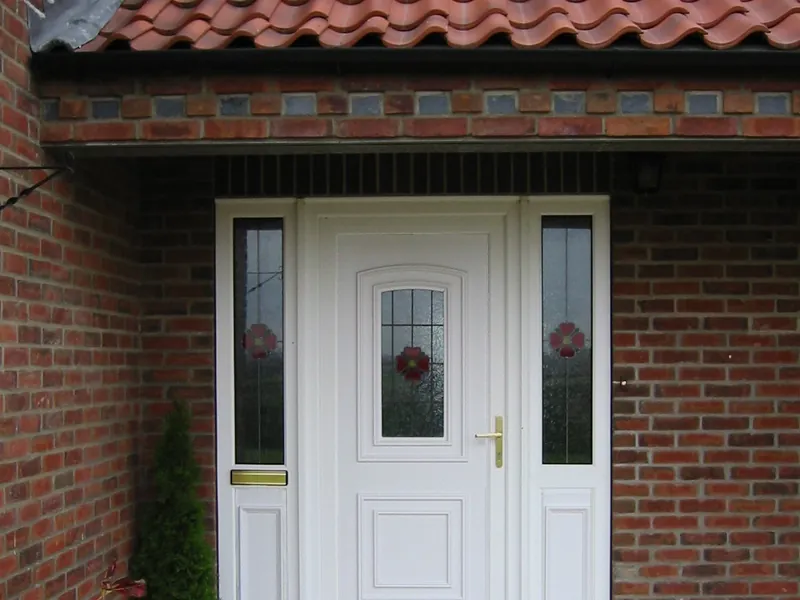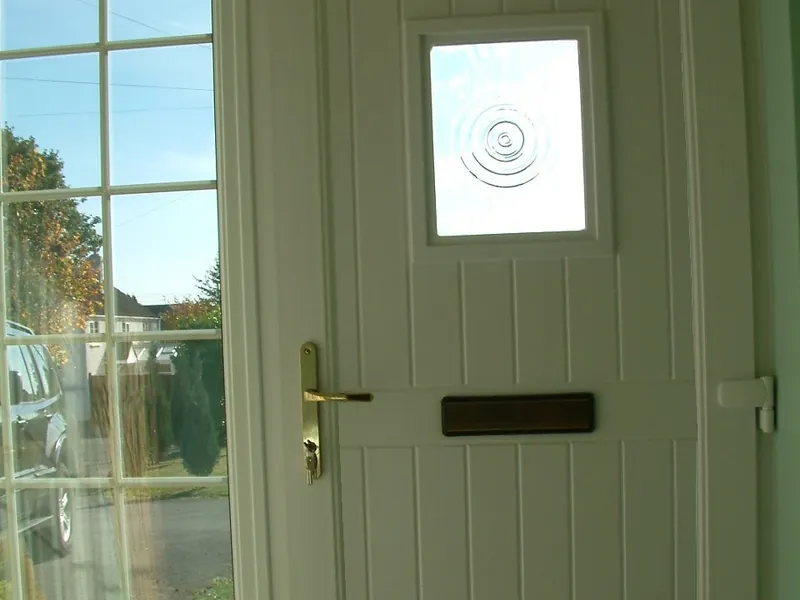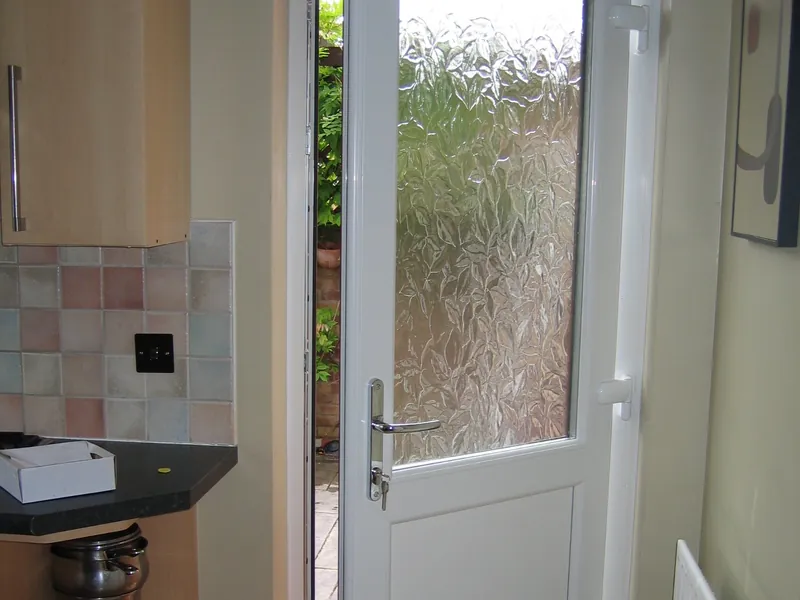
We supply and fit new front doors in Clerkenwell, made to measure for your home. This page is for homeowners who want a door that looks right, locks well and keeps the cold out. You get a choice of composite, uPVC and aluminium doors, fitted by our own team with a 10-year guarantee.
Your front door is the first thing visitors see. It also takes more knocks and weather than any other door in the house. So we help you pick a door that will last, then we fit it neatly and sign it off as a FENSA registered installer.
Front doors are part of our wider double glazing service. For back doors, patio doors and more, see our full range of double glazing doors.
Types of Front Door We Fit
We fit three main types of front door. Each has its own feel, look and price level.
Composite front doors
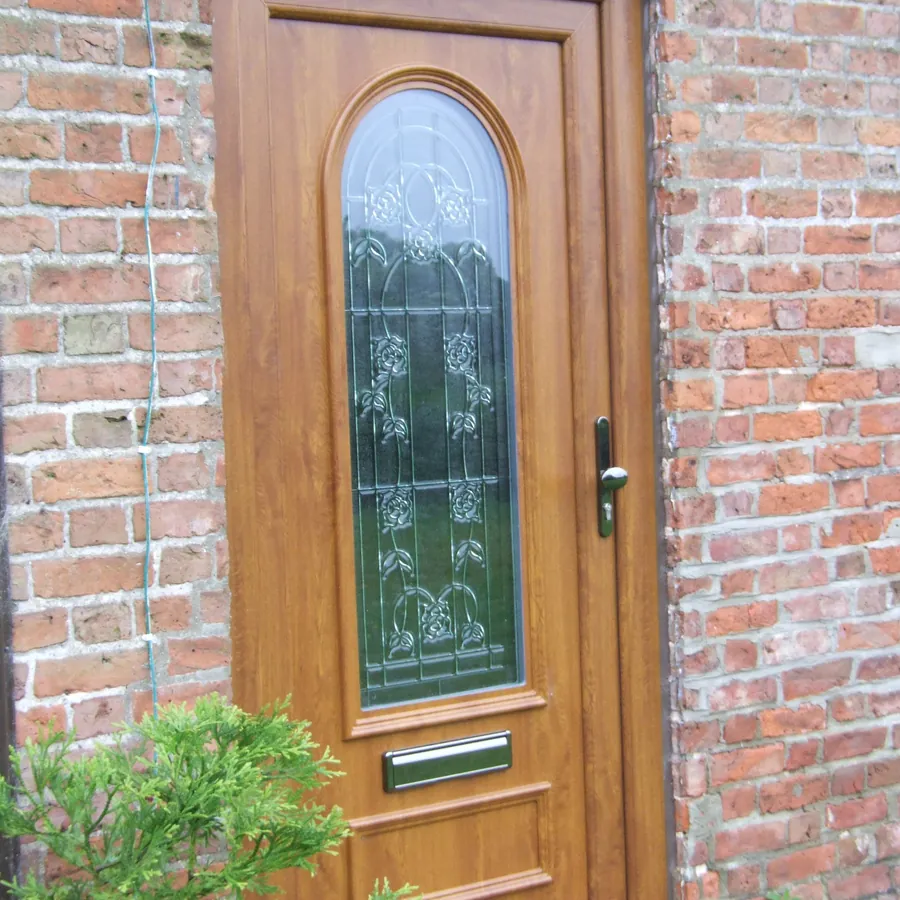
A composite door has a solid core, often of timber or dense foam, faced with a tough GRP skin. The skin has a woodgrain texture, so it looks like a painted timber door. But it will not warp, rot or need painting. Composite doors are thick and heavy, which makes them very secure and warm.
uPVC front doors
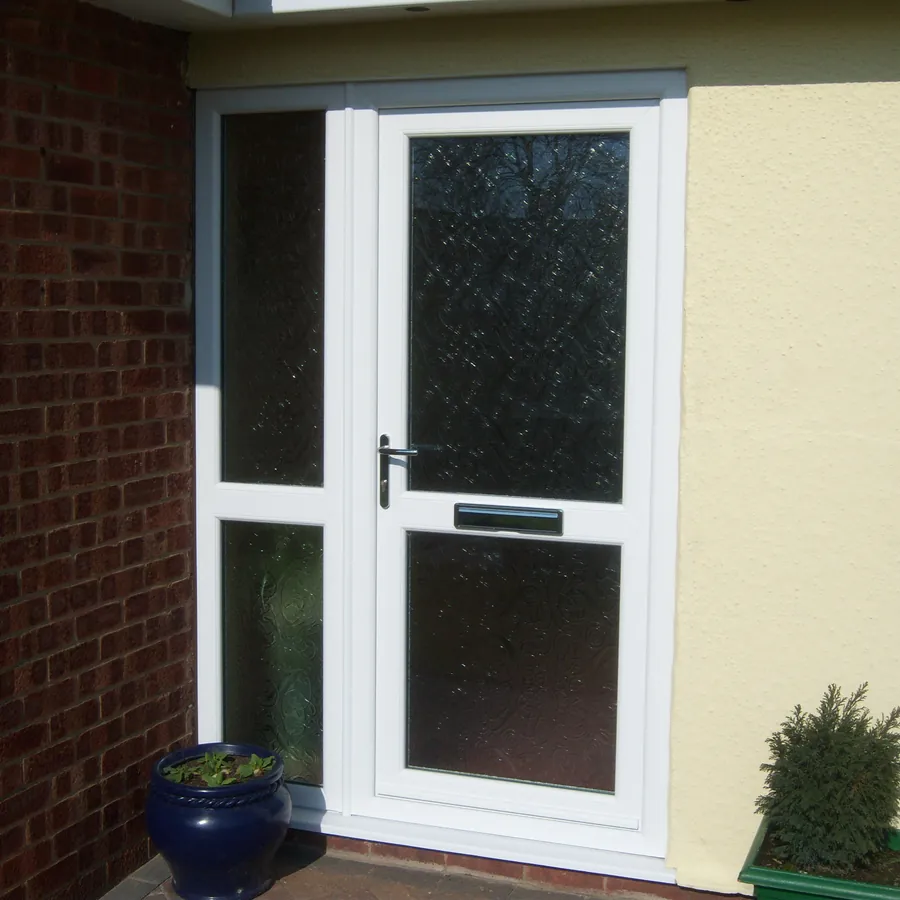
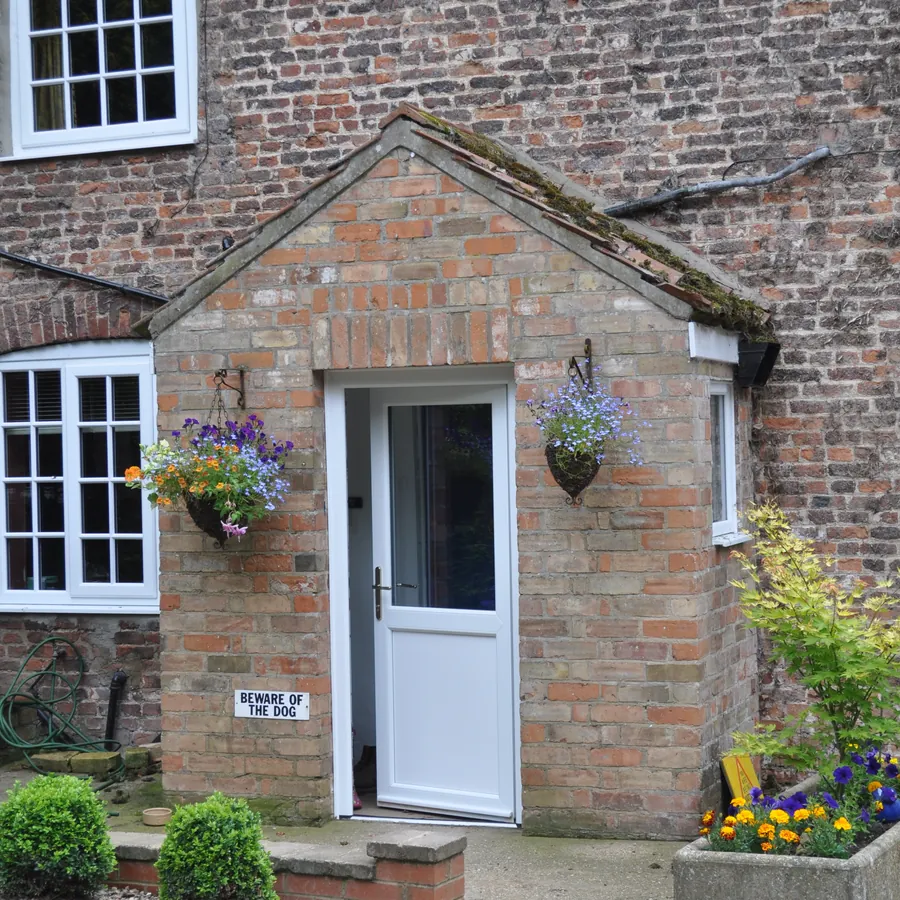
A uPVC door has a steel-reinforced frame and a flat or panelled infill. It costs less than composite and needs very little care. uPVC doors suit modern homes and side entrances. They come in white and a good range of colours and woodgrain foils.
Aluminium front doors
Aluminium doors are slim, strong and smart. They suit modern and new-build homes. They come in any RAL colour, with flush or panelled designs and long bar handles. A thermal break in the frame keeps heat in.
Not sure which to choose? Ask us at the survey. We can bring samples so you can feel the weight and finish of each type.
See also our guide to porches and door repairs.
Styles, Colours, Glass and Hardware
Once you pick a type, you choose how it looks. There are four main style groups:
- Classic: panelled doors with period glass, in deep colours like navy, green or black.
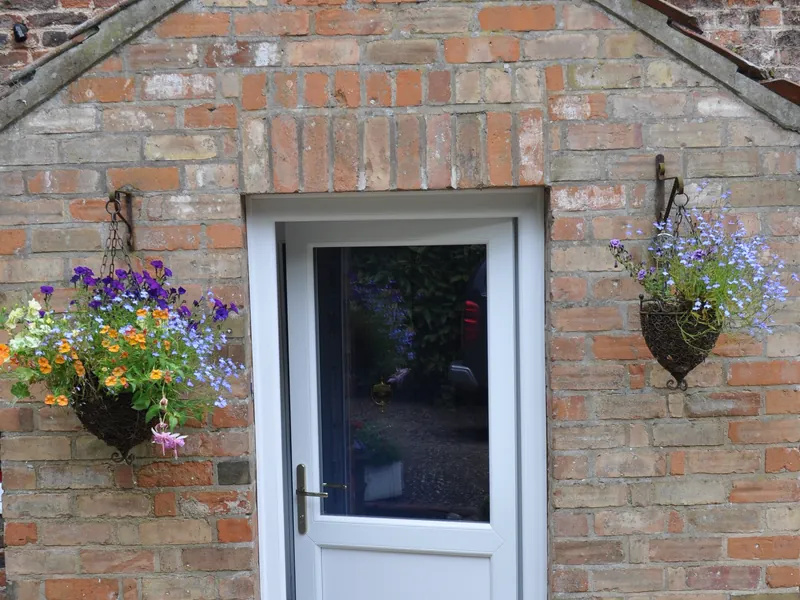
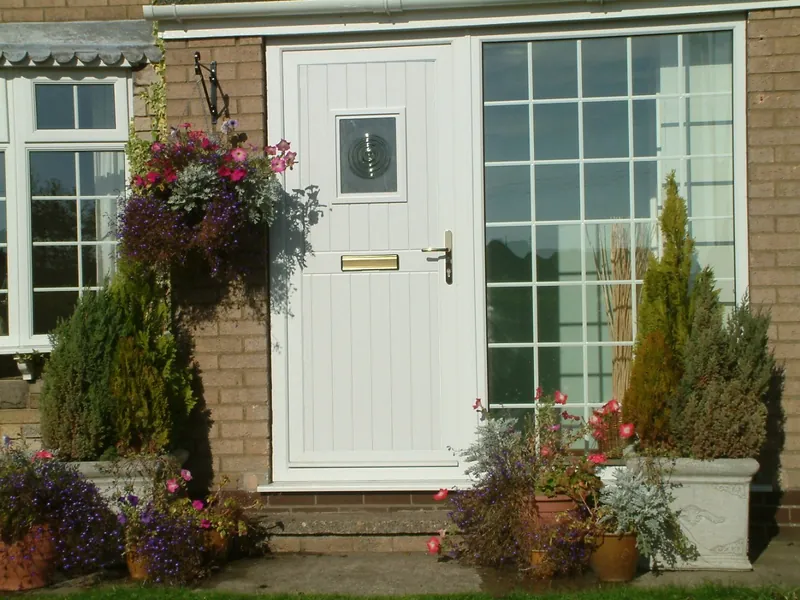
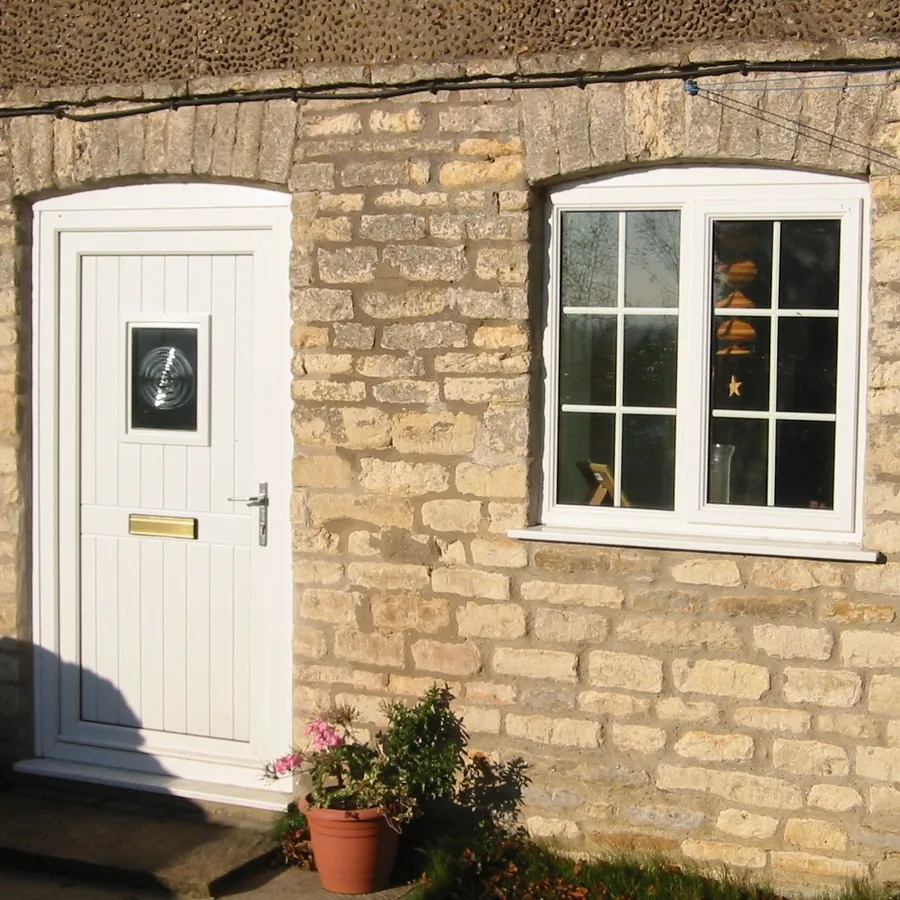
- Cottage: plain or ledged doors with a small square of glass near the top.
- Modern: flush or long-glass designs with bar handles and bold colours.
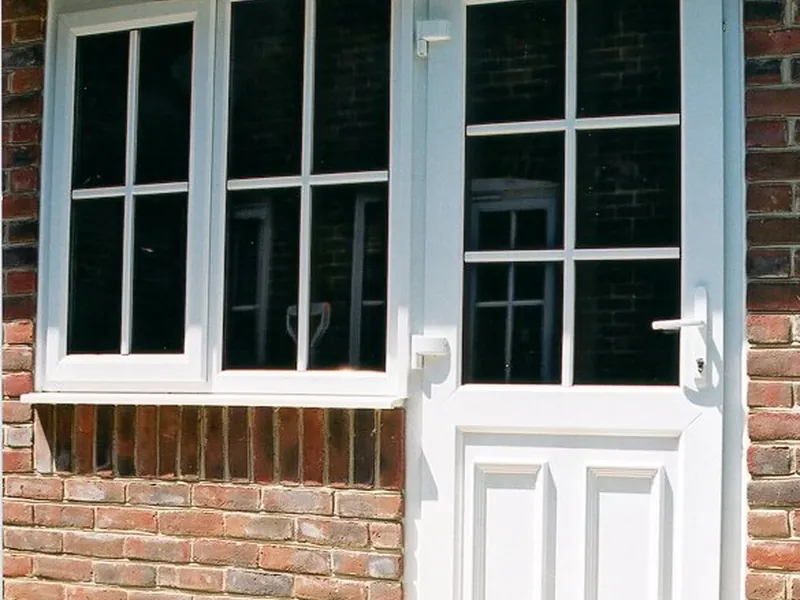
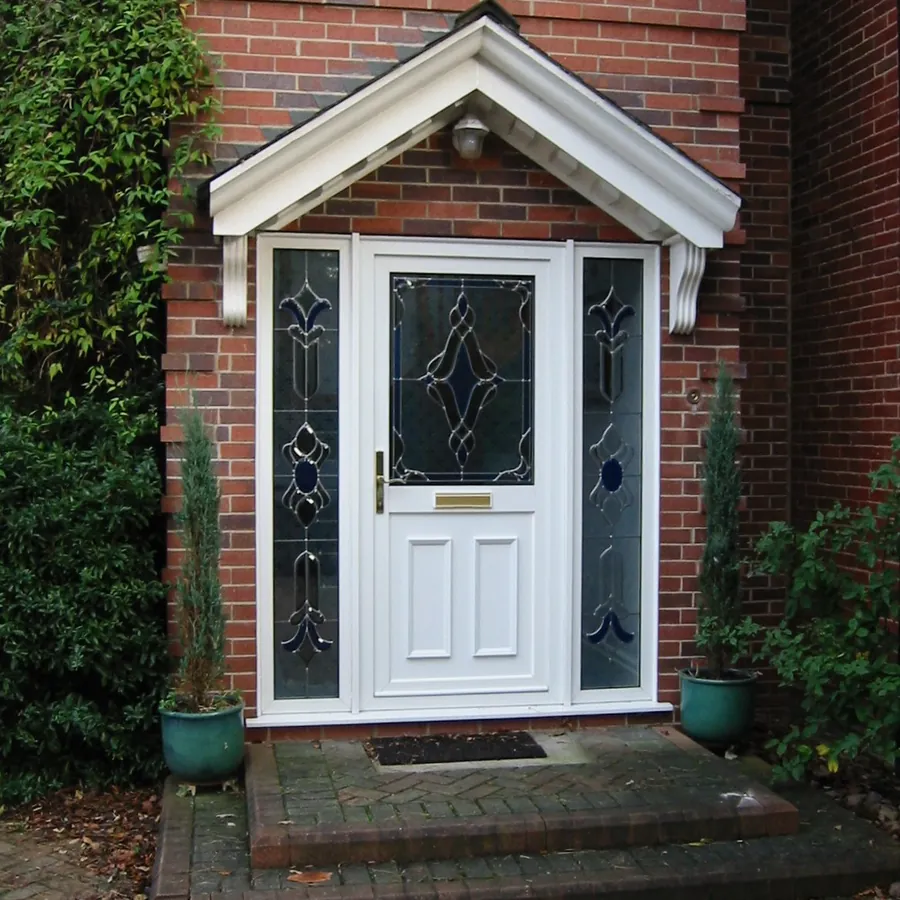
- Victorian and Edwardian: four-panel doors with leaded or bevelled glass to suit older terraces.
Most doors can have a different colour inside and out. White inside and a strong colour outside is a common choice. You can also add:
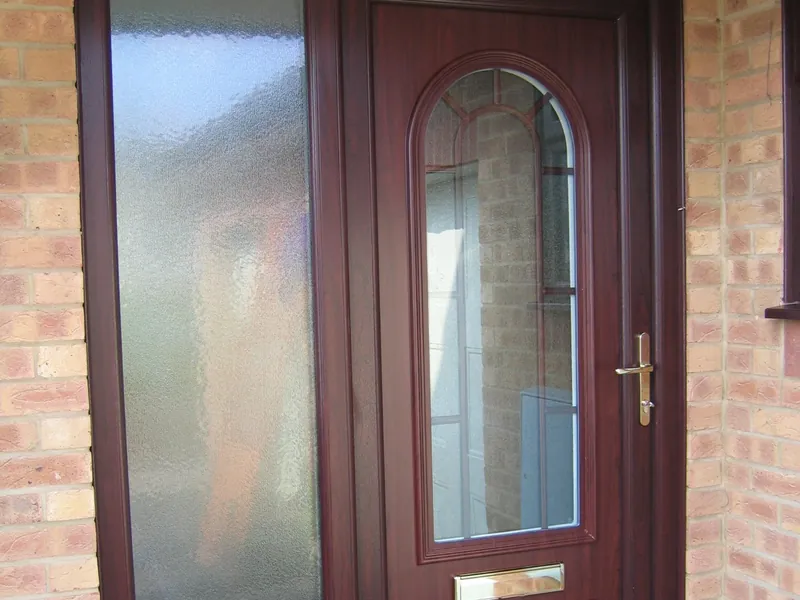
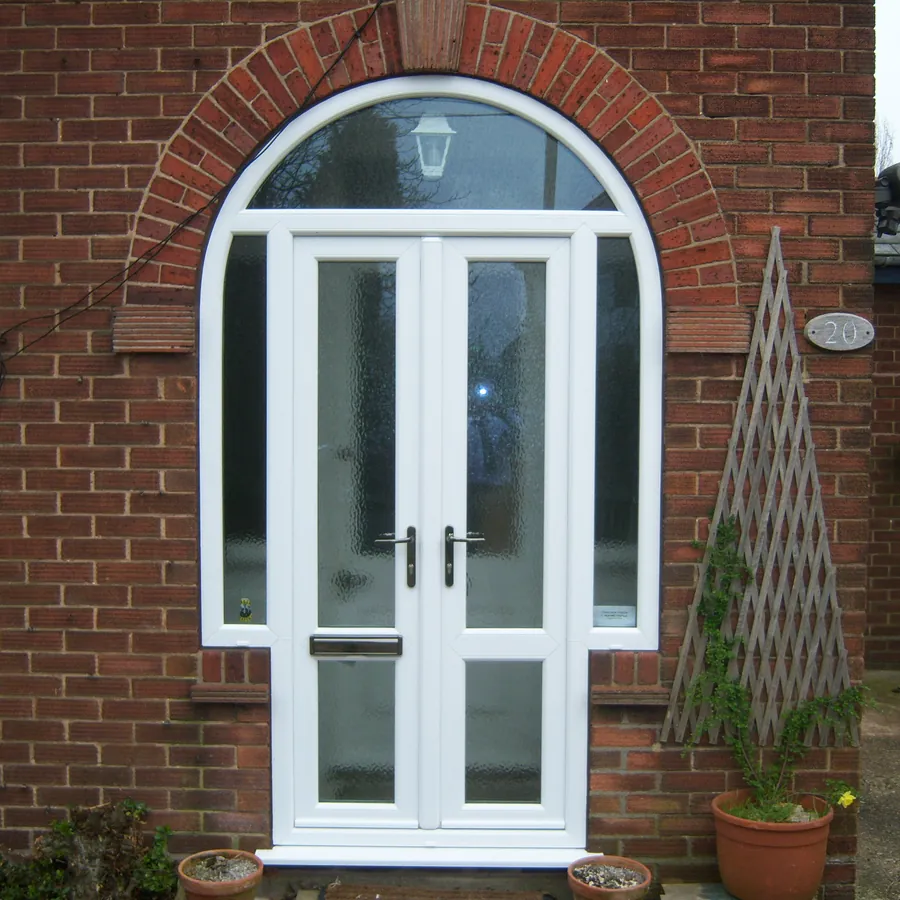
- Side panels and a top light to bring daylight into the hall
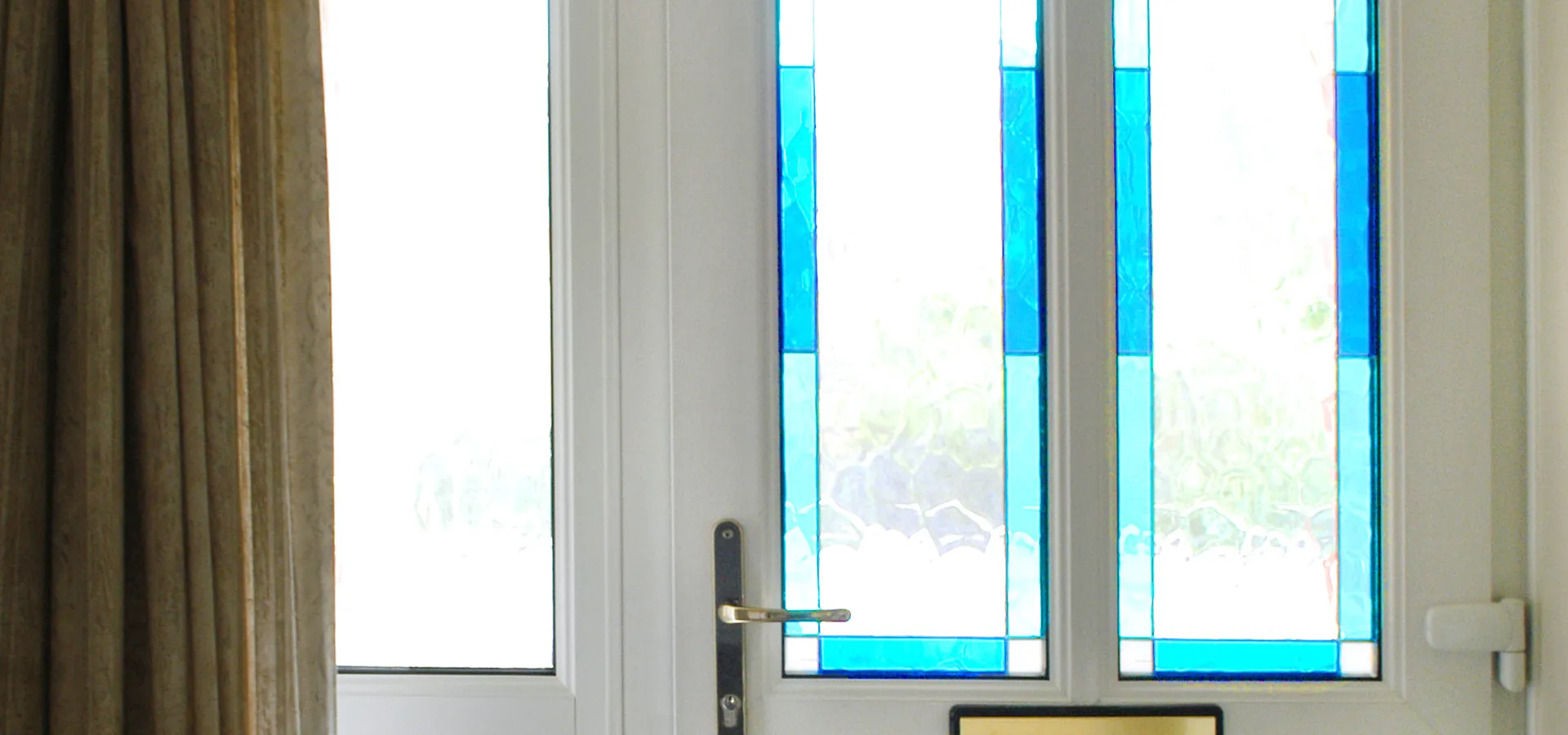
- Obscure, leaded or bevelled glass for privacy and style
- Chrome, gold, black or satin handles, knockers and letter plates
- House numbers, spy holes, door chains and smart locks
If you are also changing windows, we can match colours. Our double glazing windows come in the same shades, so the front of the house looks as one.
Security Features in Every Front Door
A front door must keep your home safe. All our front doors come with:
- A multi-point lock with hooks and rollers along the edge
- Anti-snap, anti-pick and anti-drill cylinders
- Hinge-side security pins, so the door cannot be lifted off
- Toughened or laminated safety glass
- Glass held in from the inside, so it cannot be removed from outside
- A strong, reinforced frame fixed firmly into the wall
Many of our composite doors are tested to PAS 24 and the Secured by Design standard. Ask us at the survey and we will show you which doors meet it. Some insurers look for these features, so it is worth checking your policy.
How Your Front Door Is Made and Fitted
We start with a free survey at your home. We measure the opening, check the frame and the step, and talk through style and colour. Then we send a written, fixed quote. Once you agree, your door is made to measure. Composite doors take a little longer, as each one is built to order.
On fitting day, we take out the old door and frame. We fit the new frame, fix it, seal it and hang the door. Then we adjust the lock, finish the edges inside and out, and clear up. Most front doors are fitted in half a day. You will have a locked door by the end of the same day.
You can read the full journey from survey to after-care on our how we work page.
What Affects the Price of a Front Door
We do not list fixed prices, as every door is built to order. These are the main things that drive the cost:
- Door type. Composite and aluminium cost more than uPVC.
- Design. Doors with lots of glass or detail cost more than plain doors.
- Colour. Dual colours and special shades add to the price.
- Side panels and top lights. Each extra panel adds frame and glass.
- Hardware. Premium handles, smart locks and knockers cost more.
- Opening work. A damaged sill, step or lintel adds labour.
Every job gets a written, fixed quote after a free survey, with the payment stages set out. To book yours, request a quote.
Building Regulations and Local Rules
A new front door counts as building work. It must meet Part L of the Building Regulations for heat loss. A new door in an existing home must reach a U-value of 1.4 W/m²K or better. Any glass in it must be safety glass. Our doors meet these rules.
As a FENSA registered firm, we self-certify the work. You get a certificate once the job is done. Keep it safe, as you will need it if you sell the house.
A like-for-like front door does not normally need planning permission. Listed buildings, flats and homes in conservation areas may have extra rules on style and colour. If that applies to you, we will flag it at the survey. You can also check with your local council.
Looking After Your New Front Door
Composite, uPVC and aluminium doors need little care. Keep it simple:
- Wash the door with warm soapy water every few months.
- Do not use bleach, solvents or scouring pads.
- Oil the lock and hinges once a year.
- Keep the drain slots in the bottom of the frame clear.
- Check the seals and call us if one lifts or tears.
If the door starts to drop, rub or feel stiff to lock, call us. A small adjustment fixes most issues.
Choosing the Right Front Door for Your Home
Think about three things: the age of your house, how the door will be used and how much daylight the hall needs.
- For a period terrace, a panelled composite door in a deep colour suits most homes.
- For a modern home, an aluminium or flush composite door with a bar handle looks smart.
- For a dark hall, choose glazed panels or add a side panel or top light.
- For a side or garden entrance, a uPVC door is a good, low-cost choice.
Want a door with a top half that opens? Our stable doors work well as back or side doors. For the garden end of the house, see our sliding patio doors.
Frequently Asked Questions
Which materials are used for front doors?
We fit composite, uPVC and aluminium front doors. Composite doors have a solid core and a tough GRP skin, so they are heavy, warm and secure. uPVC doors are lighter, low in cost and easy to care for. Aluminium doors are slim, strong and suit modern homes. We can show you samples of each at your free survey.
How do you choose the right colour for a front door?
Start with your house. Look at the brick, roof, window frames and the doors on your street. Deep blues, greens, greys and black suit most period homes. Brighter shades work well on modern houses. Most of our doors can be one colour outside and white inside, so the hall stays light and neutral.
Can you fit a front door yourself?
We do not advise it. A new front door must meet Building Regulations and be signed off. If you fit it yourself, you will need to apply to your council's building control and pay for an inspection. A badly fitted door can also leak, stick or be easier to force. Our FENSA certificate covers you when you sell.
What maintenance does a front door need?
Very little. Wash the door and frame with warm soapy water a few times a year. Do not use bleach or harsh cleaners, as they can dull the finish. Oil the lock and hinges once a year. Keep the drain slots at the base clear. If the door drops or rubs, call us and we will adjust it.
Are there local rules for fitting a new front door?
Yes. Every new front door must meet Building Regulations for heat loss and safety glass. We self-certify this as a FENSA registered installer. Planning permission is not usually needed for a like-for-like door. Listed buildings, flats and homes in conservation areas may need consent. We will tell you at the survey if this applies.