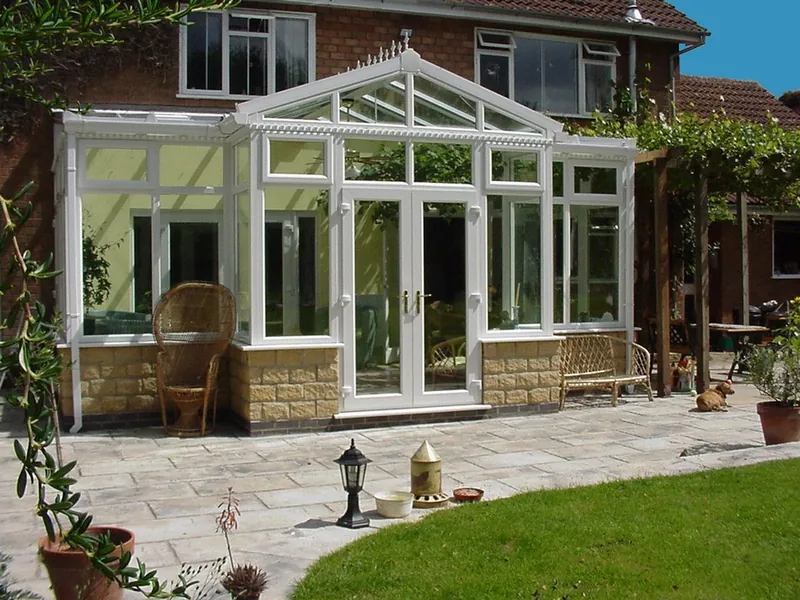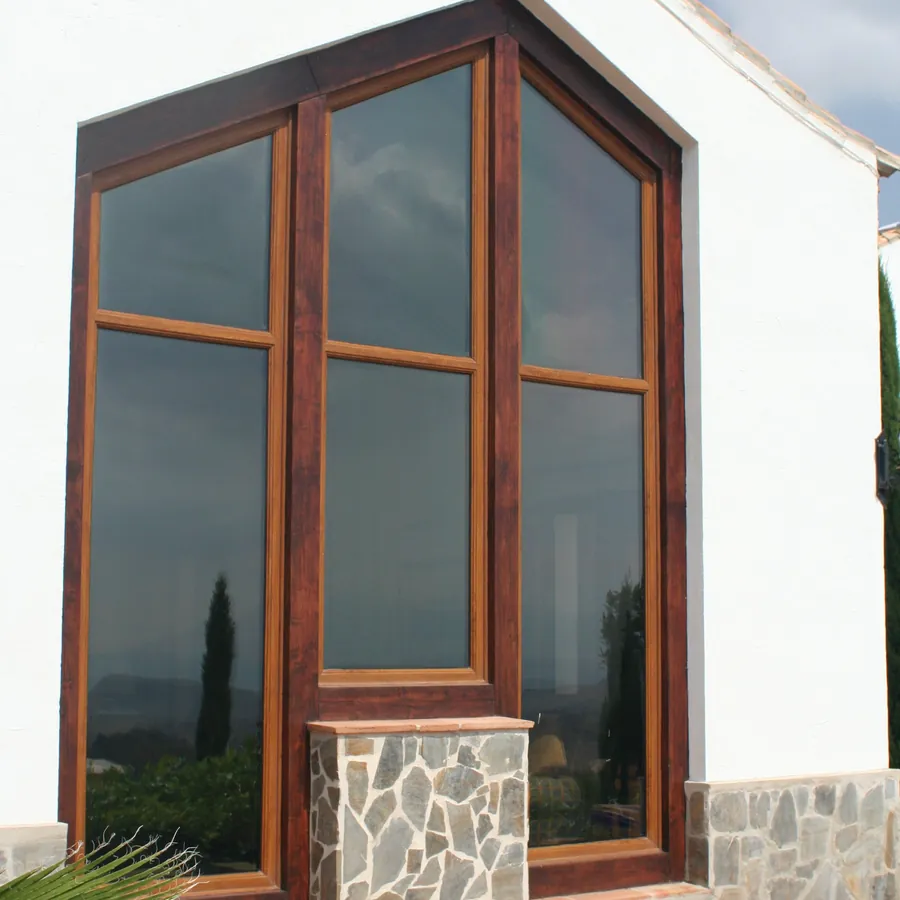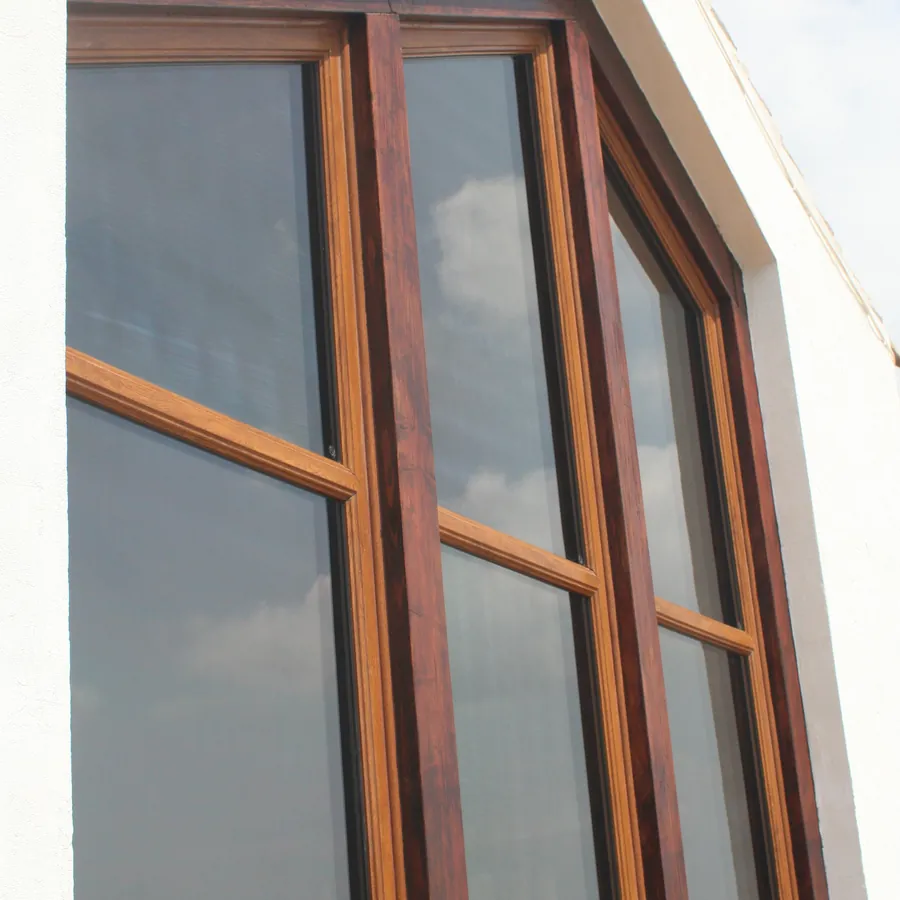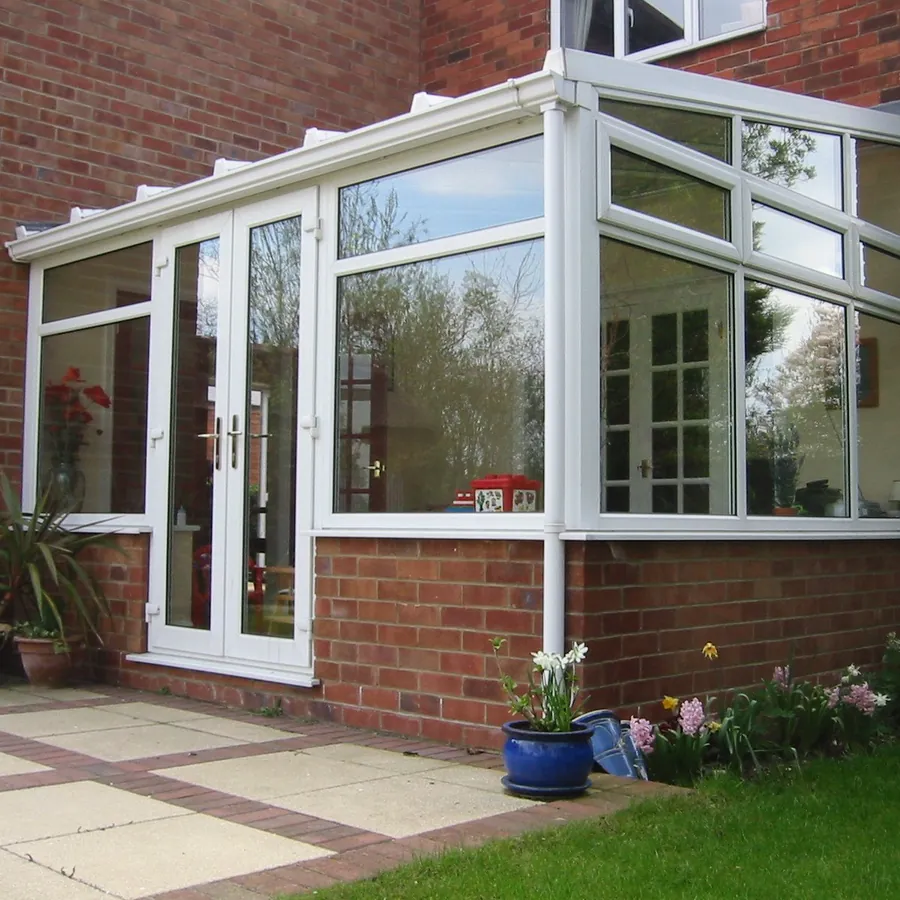
We make and fit double glazed bow window frames in Clerkenwell. This page is for homeowners who want to replace an old curved window, or add a soft curve to a flat front wall. You will learn how a bow differs from a bay, what it is made from, how we fit it, and what sets the price.
Our team is FENSA registered and every bow comes with a 10-year guarantee. To see our full range of frames, visit our double glazing windows page, or go back to our main double glazing page.
What Makes a Bow Window Different
A bow window is a run of four, five or six frames set in a gentle curve. A bay has three faces with sharp corners. A bow has more faces and shallow angles, so it reads as a smooth arc from the street.
The curve pushes the glass out from the wall. That gives you a little extra floor space and a wider view up and down the road. Light comes in from more angles, so the room feels brighter through the day.
You see bows on Georgian and Regency homes, on 1930s semis and on many newer houses. They also suit shop fronts and cottage-style homes with a low cill.
Bow Window Options
We build each bow to order, so you can set the number of faces, the depth of the curve and the way each pane opens.
- Four-face bow: a shallow curve that fits a narrow front room.
- Five-face bow: the most common choice. It gives a balanced curve with a centre pane.
- Six-face bow: a wide, deep curve for large rooms and wide walls.
- Opening panes: side-hung or top-hung sashes on any face. Most people open two and keep the rest fixed.
- Glazing bars: Georgian bars or leaded lines for a period look.
Frames come in uPVC, aluminium and timber-look uPVC. White is still the top choice, but cream, grey, black and wood-grain foils are popular too. Aluminium gives the slimmest frames and suits wide, modern bows. For a period home, a sculpted timber-look profile often works best.
Glass, Locks and Comfort
Each pane is a sealed unit with a low-E coat and argon gas between the panes. Our standard units give a whole-window U-value of about 1.2 to 1.4 W/m²K. That meets the Part L limit of 1.4 W/m²K for replacement windows in England.
You can upgrade the glass to suit the room:
- Acoustic glass cuts road noise in front rooms on busy streets.
- Toughened or laminated glass is a must for low panes near the floor.
- Obscure glass gives privacy on a ground floor close to the path.
- Solar control glass helps a south-facing bow stay cool in summer.
Every opening sash has a multi-point lock and a locking handle. The glass is beaded from inside, so it cannot be removed from the street. Q-LON style gaskets seal each sash against draughts and rain.
How We Fit a Bow Window
Fitting a bow takes care, because the frames often carry weight from above. In older homes, the brickwork or a small roof may sit right on top of the old window.
- Survey the load. We check the lintel, any cracks and what sits over the bow.
- Measure the curve. We take the width, the depth and the angle between each face. The new bow is made to match.
- Support the opening. On fitting day, steel props hold the wall while we take out the old frames.
- Fit bow poles. Where needed, steel poles sit in the joints between faces and carry the load to the cill.
- Seal and finish. We fit the head and cill boards, seal inside and out, and make good the plaster.
Most bows are fitted in one day. If the bow needs a new roof or lead work on top, that may add a second day. We cover each step from survey to aftercare on our how we work page. In short, we survey, send a written quote, make your frames, fit them and register the job.
What Affects the Price of a Bow Window
We do not quote fixed prices online, as each bow is made to measure. These are the things that move the price:
- Width and depth: a wider or deeper curve uses more frame and glass.
- Number of faces: six faces cost more than four.
- Opening sashes: each one adds hinges, locks and a handle.
- Material and colour: aluminium and dual-colour foils cost more than white uPVC.
- Glass: acoustic, solar or triple glazed units add cost.
- Structure: poles, props and any lintel repair.
- Roof: a new canopy, lead or tiled roof on top of the bow.
Our double glazing prices page explains how bows compare with flat windows. For a figure for your home, book a free survey and we will send a written, fixed quote. You can request a quote online. The quote also sets out the payment stages. If you are on a low income or a benefit, our window grants page lists schemes that may help with energy upgrades.
Planning and Building Regulations
A like-for-like bow on a house does not need planning permission in most cases. You will need to check first if:
- your home is listed;
- you live in a conservation area with an Article 4 direction;
- you live in a flat or maisonette;
- you want to turn a flat window into a bow, which changes the front wall.
All new windows must meet Building Regulations for heat loss, air flow and safety glass. As a FENSA member, we self-certify the work and you receive a certificate. Keep it safe, as your solicitor will ask for it when you sell.
Bow or Something Else?
A bow is the right choice when you want a soft curve, more light and a little more room. It is not always the best fit. A tight front garden or a narrow path may not leave space for the projection. A flat wall with no lintel above may need building work first.
If you want a flat window with a clean, modern look, see our casement windows. If you want the look of old timber frames with the sashes sitting flush, our flush casement windows are worth a look. Both can also be used as the faces of a bow.
Frequently Asked Questions
Does a bow window add value to a house?
A bow adds light, a sense of space and a strong look from the street. Buyers tend to like all three. A new bow also comes with a FENSA certificate and a 10-year guarantee, which make a sale smoother. How much value it adds depends on your home and the local market, so treat it as a comfort upgrade first.
Can a bow window go on any style of home?
Most homes can take a bow if there is room for the curve. Georgian, Victorian and 1930s homes suit bars and timber-look frames. Modern homes suit slim aluminium in grey or black. The key checks are the wall above, the space outside and any planning rules. We look at all three at survey and tell you plainly.
What are bow windows made from?
We build bows in uPVC, aluminium and timber-look uPVC. uPVC is warm, low upkeep and good value. Aluminium is strong and slim, so it suits wide bows with big panes. Timber-look frames give a period feel without the painting. All three take the same double or triple glazed units and the same multi-point locks.
Can you fit a bow window on an upper floor or in a flat?
Yes, we can fit a bow on an upper floor if the wall can carry it. We may need a tower or scaffold for safe access. In a flat, check your lease and ask the freeholder first. Flats do not have the same planning rights as houses, so a change to the frame style may need consent.
How do you look after a bow window?
Wash the frames and glass with warm, soapy water a few times a year. Keep the drain slots at the base clear. Oil the hinges and locks once a year. After a storm, check the roof and seal above the bow. Do not use scourers or strong cleaners, as they can mark the glass and the foil.