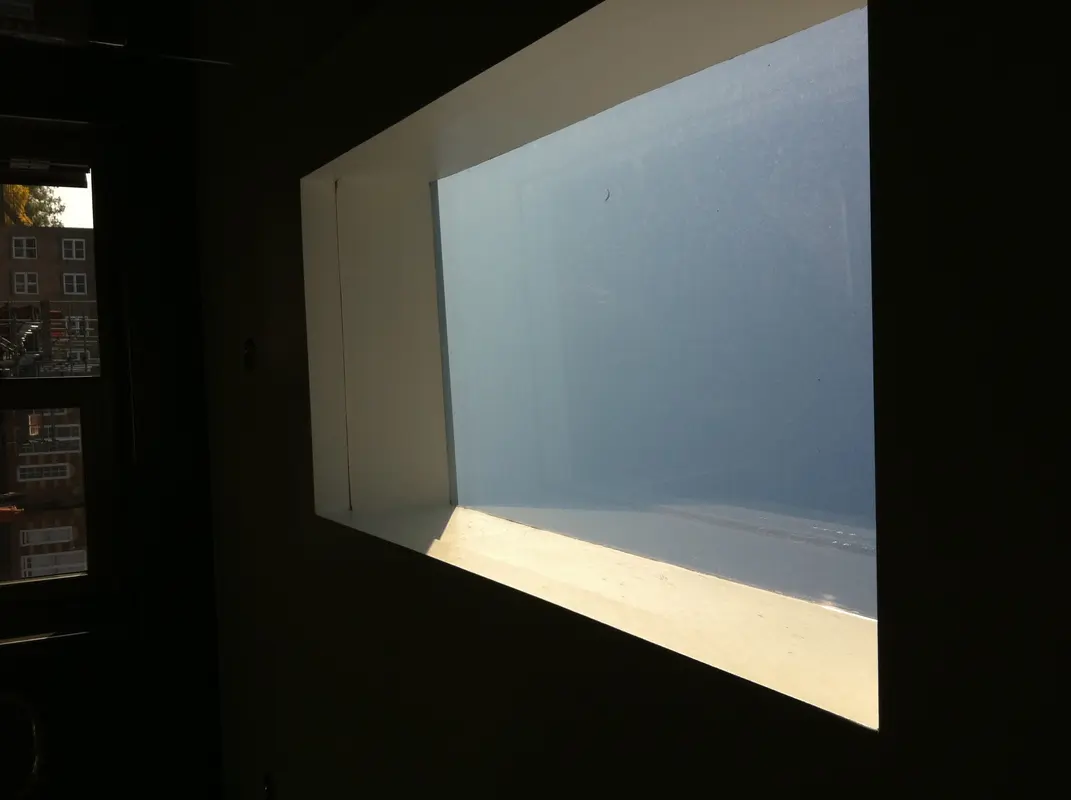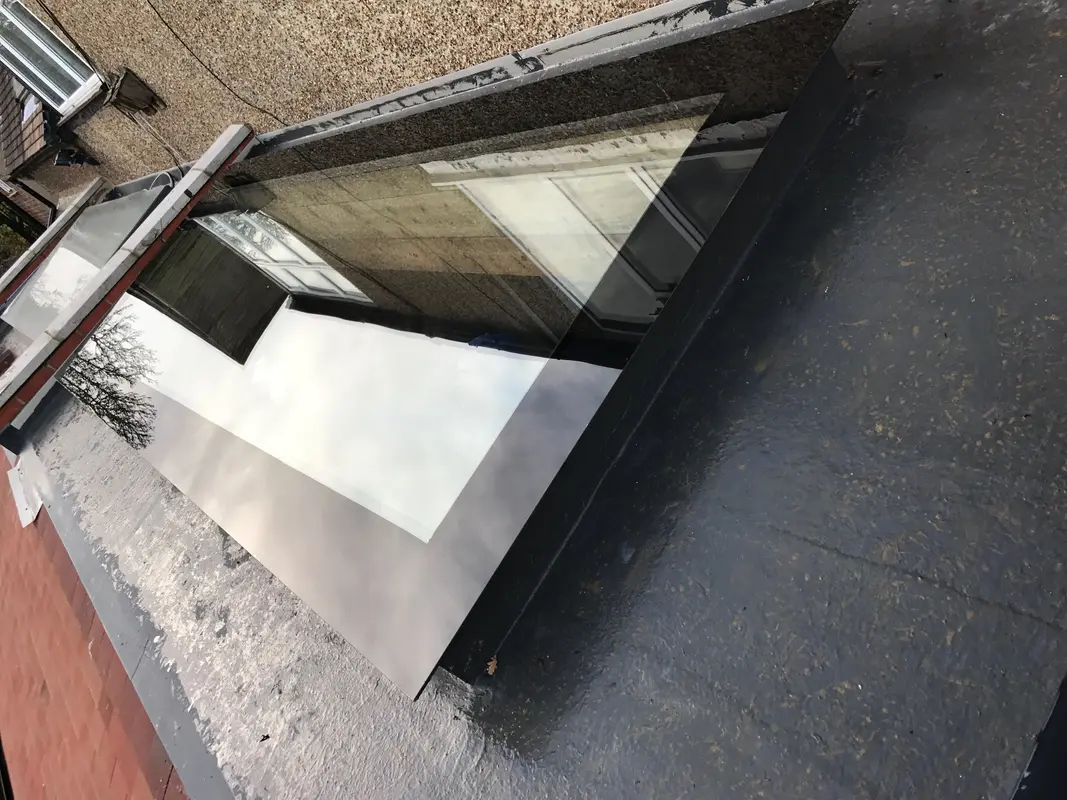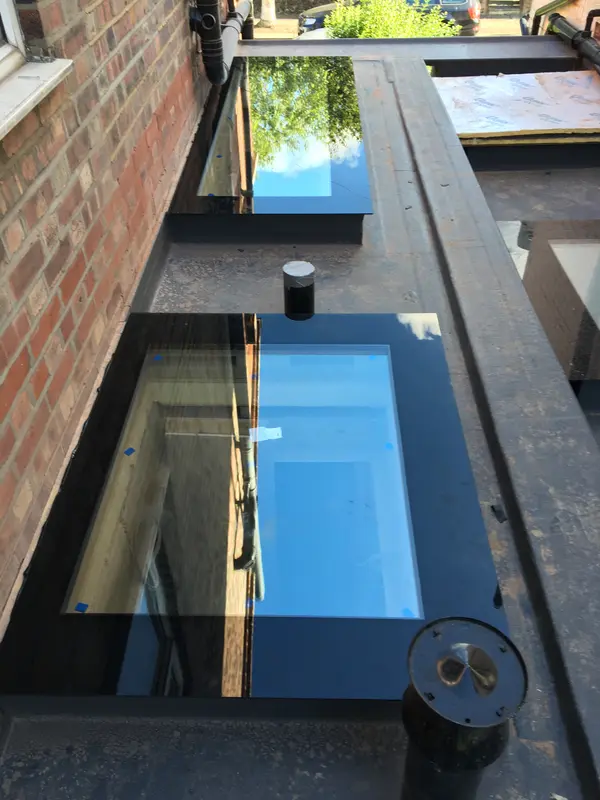
We fit and replace Velux windows in Clerkenwell for loft rooms, attic bedrooms, vaulted ceilings and pitched roof extensions. If you want more light and fresh air in a room under a sloping roof, this page is for you. It covers the opening types, glass and blinds, how we fit and replace them, and what drives the cost.
Velux is the best-known name for roof windows, and many people use it for any window set into a pitched roof. We fit genuine Velux roof windows and other quality brands, so you can choose what suits your home. Our fitters are FENSA registered, and the work comes with a 10-year guarantee.
Roof windows are part of our wider double glazing service in Clerkenwell. For every roof glazing option, see our main skylights page.
Types of Velux Roof Window
The main difference between roof windows is how they open. Each type suits a different room and roof height.
- Centre-pivot. The sash turns on a pivot halfway up. A handle sits at the top. This is the most common type and works well where the window is above head height. You can spin the sash round to clean the outside from inside.
- Top-hung. The sash opens out from a hinge at the top, with the handle at the bottom. This gives a clear view out and suits lower roofs. Many top-hung windows also work as an escape route from a loft room.
- Balcony and roof terrace windows. Two sashes open to form a small balcony in the roof slope. These bring in a lot of light and air.
- Fixed windows. These do not open. They add light at a lower cost where air is not needed.
Most of these can be fitted with a motor and a rain sensor. Our page on electric skylights explains the controls in more detail.
Glass, Frames and Blinds
Modern roof windows come with double or triple glazing. A low-E coating and gas fill keep heat in. A laminated inner pane holds together if it breaks, which matters for glass above your head. Other options include:
- Noise-reducing glass for homes near busy roads or flight paths.
- Easy-to-clean coatings that help rain wash off dirt.
- Solar control glass for south-facing roofs.
Frames come in white painted pine, clear lacquered pine or white polyurethane. The polyurethane finish is moisture-proof, so it suits bathrooms and kitchens. The outside is clad in grey aluminium as standard, with other colours on offer.
Blinds fit inside the frame. Choose blackout blinds for bedrooms, pleated blinds for soft light or awning blinds on the outside to block heat. Blinds can be manual, electric or solar powered.
New Roof Windows and Replacements
We fit new roof windows and replace old ones.
New windows. We cut a fresh opening in the roof, trim the rafters if needed and fit the frame with a matching flashing. The flashing kit depends on the roof covering. There are kits for plain tiles, profiled tiles and slates. Inside, we fit a lining and insulate around the frame.
Replacements. Older roof windows can fog up, leak or stick. Most can be replaced with a new window of the same size, often from inside the room. Sizes have stayed much the same for decades, so the opening rarely needs changing. A like-for-like swap is often done in half a day. If the new window is larger, we enlarge the opening.
Every job starts with a free survey, and you get a written, fixed quote. Our full process, from survey to aftercare, is on our how we work page.
What Drives the Cost of Velux Windows
We do not publish prices online. Every job gets a written, fixed quote after a free survey. You can ask for yours on our get a quote page. These are the main cost drivers:
- Size. Larger windows need more glass and more roof work.
- Opening type. Top-hung and balcony windows cost more than centre-pivot or fixed.
- Glass spec. Triple glazing, noise-reducing and solar control glass all add cost.
- Frame finish. Polyurethane frames cost a little more than pine.
- Controls and blinds. Motors, sensors and electric blinds add parts and wiring.
- New or replacement. A new opening takes more time than a like-for-like swap.
- Access. A steep or high roof may need scaffold.
Payment stages are set out in your written quote.
Planning and Building Regulations
Roof windows are usually permitted development. The window must not stick out more than 150 mm from the roof slope. It must not be higher than the highest part of the roof. Side-facing roof windows may need obscure glass and a fixed lower part. Rules are stricter for flats, listed homes and homes in conservation areas. In those areas, a flush conservation rooflight may be needed to keep the roof's look.
Building Regulations apply to new and replacement roof windows. The glass must meet the Part L limit of 2.2 W/m²K for rooflights in existing homes. In a loft conversion, at least one window may need to work as a fire escape. We check this at the survey. As a FENSA member, we can self-certify replacement windows, and you get a certificate when the job is done.
Care and Upkeep
Roof windows last a long time with a little care:
- Clean the glass a few times a year. Turn a centre-pivot sash to reach the outside.
- Wash or change the vent filter in the top bar every few months.
- Clear leaves and moss from the flashing so water can drain.
- Check the hinges and handle move freely. A light spray of lubricant helps.
- Look for mist between the panes. This means the seal has failed and the glass unit needs replacing.
Choosing the Right Roof Glazing
A roof window is the best choice for a pitched roof where you want light, a view and fresh air. On a flat roof, look at flat roof skylights instead. For an extension or orangery where you want a glass feature overhead, a roof lantern gives more height. We can talk through each option at the survey.
Frequently Asked Questions
Are Velux windows suitable for all roof types?
They suit most pitched roofs between about 15 and 90 degrees. Flashing kits are made for plain tiles, profiled tiles, slates and some metal roofs. Very shallow roofs need a special kit or a different product. On a flat roof, a flat roof skylight is the better choice. We check your roof pitch and covering at the free survey.
What maintenance do Velux windows require?
Clean the glass a few times a year. A centre-pivot sash turns round so you can reach the outside from inside. Wash the vent filter in the top bar every few months. Keep the flashing clear of leaves and moss. Check that the hinges and handle move freely. If the glass fogs up between the panes, call us to replace the unit.
Can a homeowner fit Velux windows without a fitter?
It is possible, but it is not a small job. You need to work safely on the roof, cut the rafters, fit the flashing and seal the window against rain. Mistakes can lead to leaks and damp. New windows also need Building Regulations approval. A registered fitter can self-certify the work, which saves you a separate building control fee.
How do Velux windows improve indoor air?
Roof windows sit high in the room, where warm, damp air gathers. Opening them lets that air out fast. A vent bar in the top of the frame lets in fresh air even when the window is shut. This helps cut condensation in loft bedrooms and bathrooms. Electric windows can open on a timer to air the room each day.
Are Velux windows covered by a guarantee?
Yes. Our fitting work comes with a 10-year guarantee. The maker also gives its own product guarantee on the window, glass and parts. We register the guarantee for you and leave the paperwork with you. If anything goes wrong, call us first and we will sort it out with the maker.