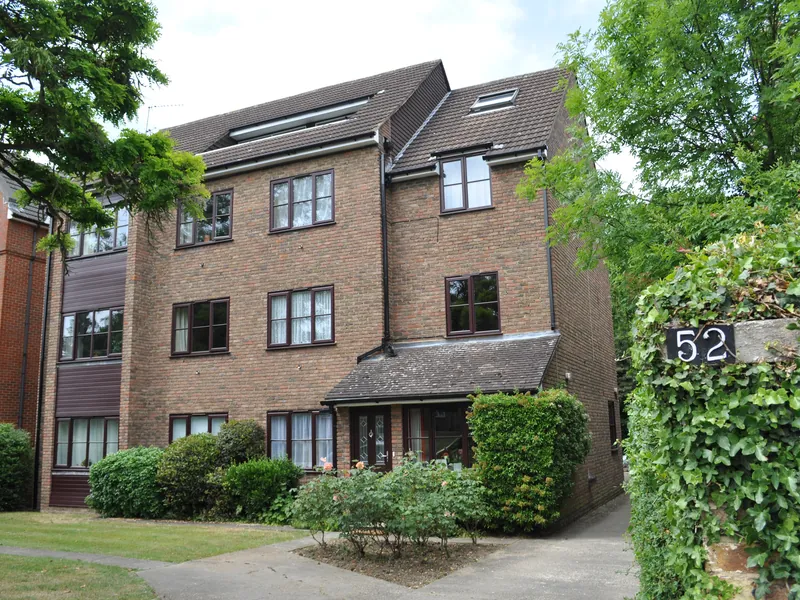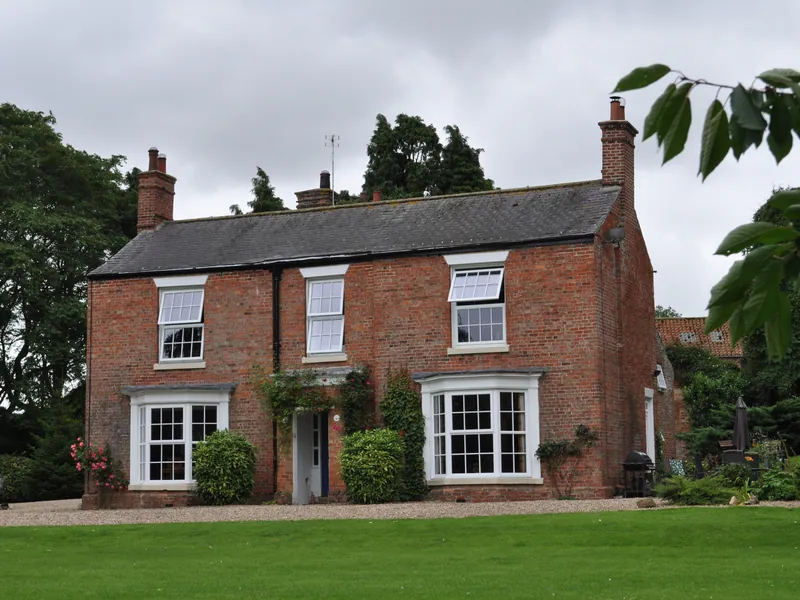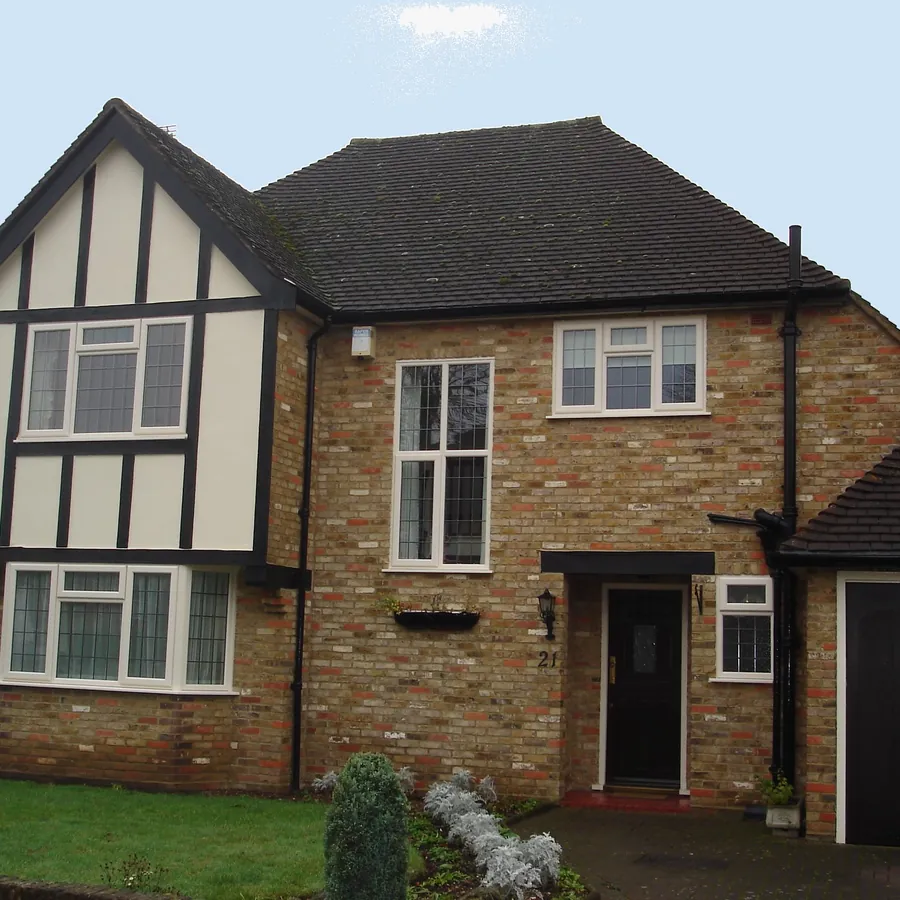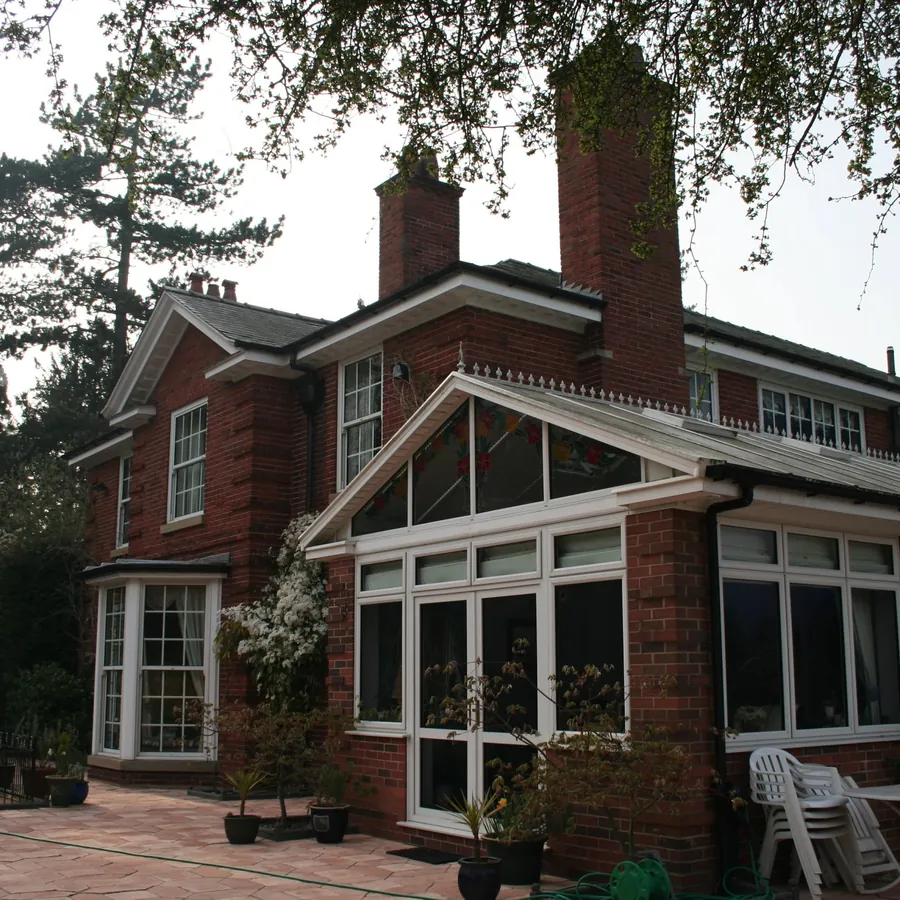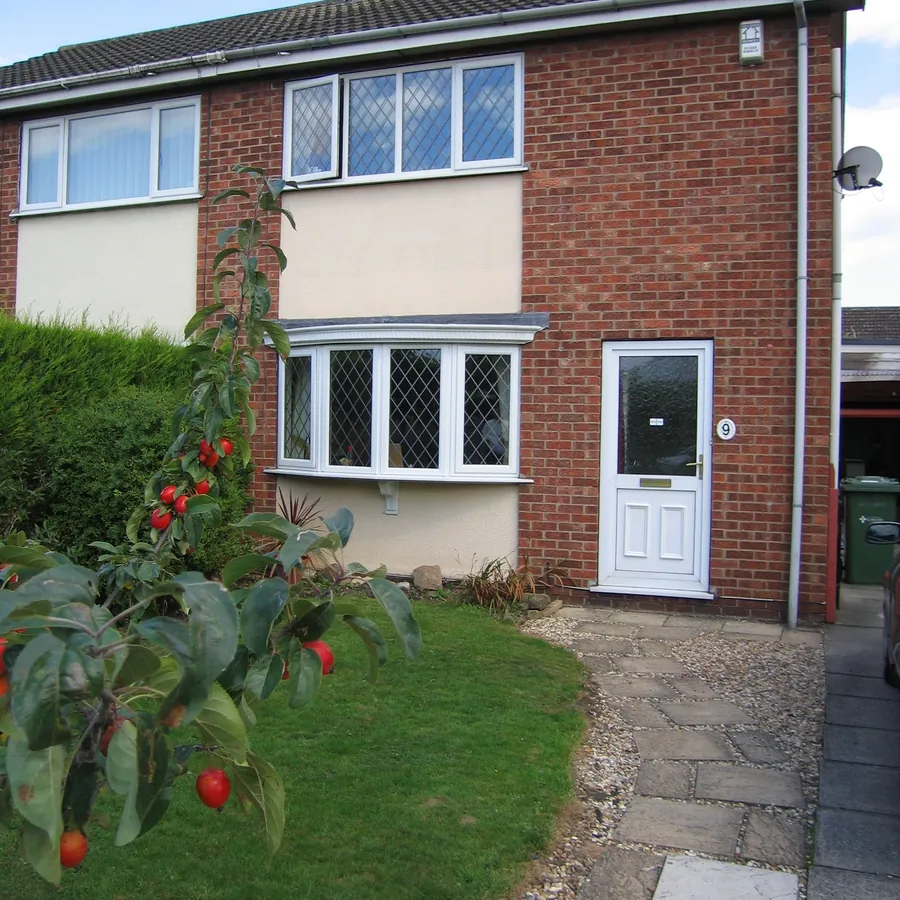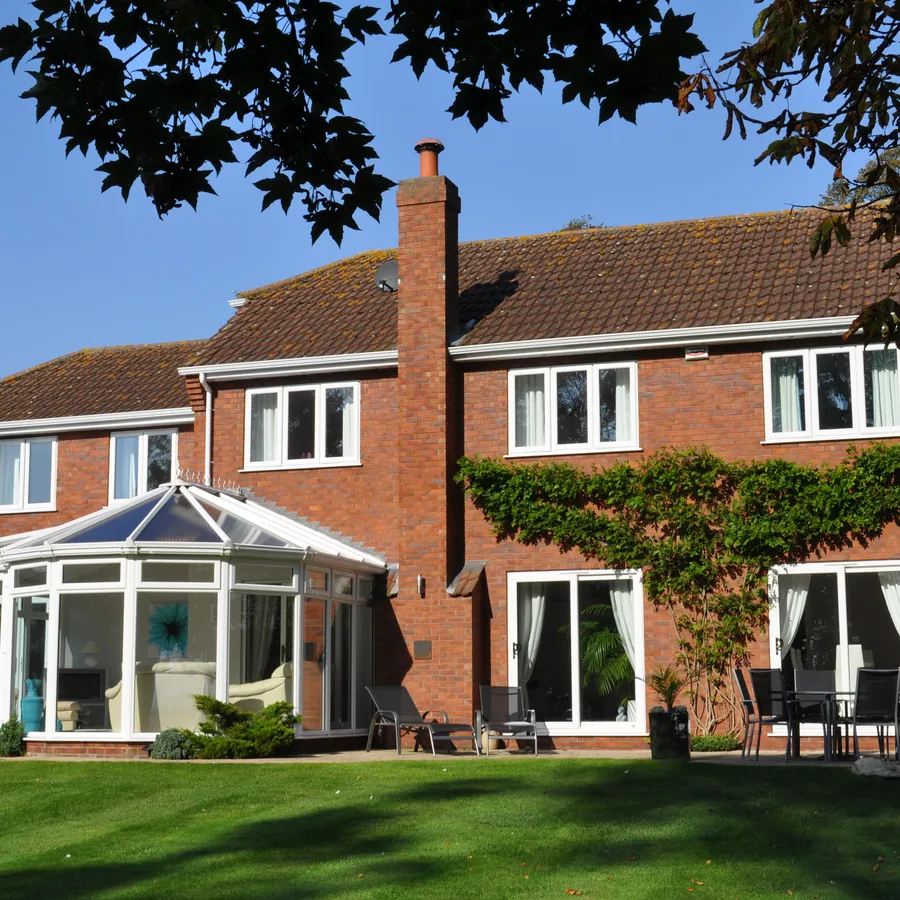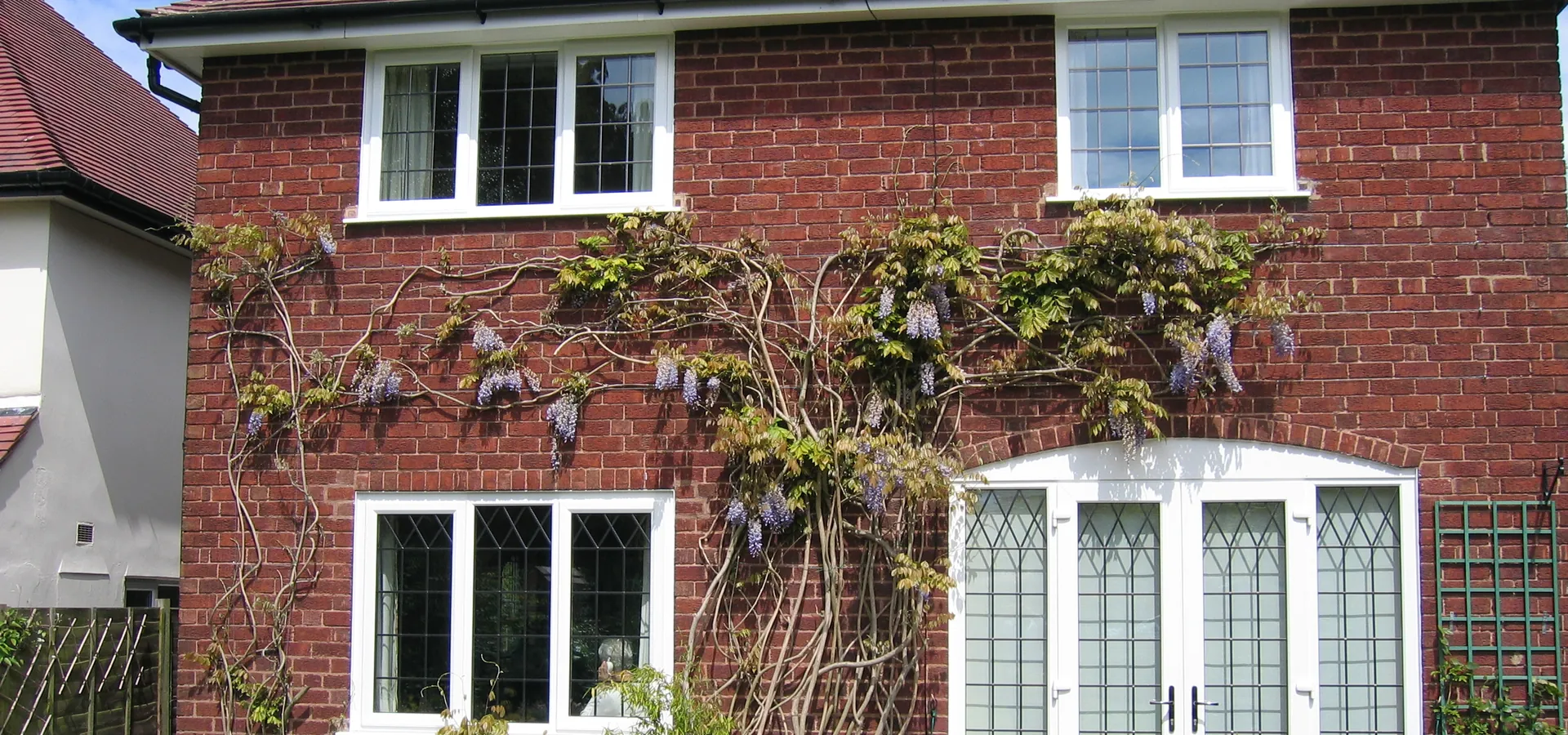
We make and fit double glazed casement window frames in Clerkenwell. This page is for homeowners who want reliable, good-value windows that open wide and lock tight. You will learn the main casement styles, the frame and glass choices, how we fit them and what sets the price.
Casements are the most common window in UK homes. Our fitters are FENSA registered, and each window comes with a 10-year guarantee. For our full range, see our double glazing windows page or our main double glazing page.
What a Casement Window Is
A casement window has one or more sashes fixed to the frame with hinges. The sash swings out, like a small door. That is the key difference from a sash window, which slides up and down.
Because the whole sash opens, you get a wide gap for fresh air. On a hot day, you can open it fully. On a cold one, you can lock it on a small vent setting. Casements also seal well when shut, as the sash presses hard against the gaskets.
A typical frame mixes fixed panes and opening sashes. A three-pane window might have a fixed centre and two side-hung sashes. You choose the layout to suit the room and the view.
Casement Styles and Layouts
- Side-hung: hinged on the left or right. Easy to open wide and good for fire escape.
- Top-hung: hinged at the top and opens outwards from the bottom. Good for air flow when it rains.
- Fixed lights: panes that do not open. They give the widest view and cost less.
- Fanlights: small top-hung vents above a larger pane, often seen on 1960s to 1990s homes.
- Chamfered or sculpted profiles: a bevelled or curved edge on the frame. Sculpted frames look softer and suit older homes.
- Flush sashes: the sash sits level with the frame, like old timber windows. See our flush casement windows page.
You can add Georgian bars, leaded lines or a mock sash look. Hinges can be friction stays or easy-clean hinges, which let you reach the outside of the glass from indoors.
Frames, Glass and Security
We supply casements in uPVC, aluminium and timber-look uPVC.
- uPVC is warm, low upkeep and good value. It comes in white and many colours and wood-grain foils.
- Aluminium gives slim frames and more glass. It suits modern homes and large openings.
- Timber-look uPVC gives a grained finish without the painting.
The standard glass is a 28mm sealed unit with a low-E coat and argon fill. Whole-window U-values sit at about 1.2 to 1.4 W/m²K, which meets Part L in England. You can choose triple glazing, acoustic glass for noise, or toughened glass for low panes. Our double vs triple glazing guide explains when the extra pane is worth it.
Each opening sash has a multi-point lock that bolts into the frame at several points. The handles lock with a key. The glass is beaded from inside, so no one can lift it out from the garden. Gaskets of the Q-LON type keep out draughts and rain.
How We Fit Casement Windows
Casements are quick to fit, and most homes are done in a day or two. We fit them with care to keep your walls, plaster and floors clean.
- Protect the room. We lay dust sheets and move small items with your say-so.
- Remove the old frame. We cut out the old window and clear the opening.
- Fix the new frame. The frame is set level and square, then fixed into the brick.
- Seal it. We fill the gap with foam, seal outside with silicone and fit trims.
- Check and clean. We test every sash and lock, clean the glass and take the old frames away.
Our how we work page covers each step from first visit to aftercare. In short, we survey, quote in writing, make your windows to measure, fit them and then register the job with FENSA.
What Drives the Cost of Casement Windows
We do not post fixed prices, because sizes and specs vary a lot. These things affect your quote:
- Size: larger frames use more glass and profile.
- Number of opening sashes: each one adds hinges, locks and a handle.
- Material: aluminium costs more than uPVC.
- Colour: foils and dual colours cost more than white.
- Profile: sculpted and flush styles cost more than a plain chamfered frame.
- Glass: triple, acoustic or toughened units add cost.
- Access: high windows may need a tower.
- Number of windows: a whole-house job works out better per window than one frame.
Our double glazing prices page shows how styles compare. For your home, book a free survey and you will get a written, fixed quote. You can ask for a quote online. The quote also sets out the payment stages.
Rules on Air Flow, Escape and Safety Glass
Replacing a window like-for-like on a house rarely needs planning permission. Listed homes, flats and some conservation areas are the exceptions. Building Regulations still apply to every job:
- Heat loss: the whole window must reach 1.4 W/m²K or better in England.
- Air flow: if your old windows had trickle vents, the new ones should have them too.
- Fire escape: bedrooms and rooms on upper floors need an opening large enough to climb out of.
- Safety glass: low panes and panes near doors must be toughened or laminated.
Side-hung casements make fire escape easy. We fit escape hinges where needed, so the sash opens to a full 90 degrees.
Choosing Between Casement and Other Styles
Casements suit most homes built from the 1950s onwards. They are the best value, they seal well and they open wide. If you live in a period home with sliding sashes, a casement can look out of place. In that case, our sash windows keep the original look with modern glass and locks.
If you like the casement idea but want a softer, more classic face, choose a sculpted or flush sash. Our surveyor brings samples so you can compare them side by side.
Frequently Asked Questions
How secure are casement windows?
Very secure when fitted well. Each sash has a multi-point lock that bolts into the frame in several places. The handles lock with a key, and the glass is beaded from inside so it cannot be lifted out. You can add laminated glass on ground floor panes. All of our locks meet current security standards for new windows.
What upkeep do casement windows need?
Very little. Wash the frames and glass a few times a year with warm, soapy water. Keep the drain slots clear. Oil the hinges and locks once a year and wipe the gaskets with a damp cloth. If a sash starts to drop or rub, a small hinge tweak fixes it. Call us and we will sort it.
Do casement windows suit small rooms?
Yes. A casement opens outwards, so it takes no space inside the room. That makes it a good choice for small bedrooms, bathrooms and kitchens. A top-hung sash works well over a sink or worktop. Fit restrictors on upper floors if you have young children, as they stop the sash opening too far.
Should homeowners fit casement windows themselves?
It is not a good idea. Every replacement window must meet Building Regulations and be signed off. A DIY job needs a building control visit, which costs time and money. A FENSA installer self-certifies the work, and you also get a 10-year guarantee. A poor fit can also leak or let in draughts.
What colours can casement frames come in?
White is the most popular, but we also offer cream, grey, black and many wood-grain foils. You can pick one colour outside and white inside, which keeps rooms bright. Aluminium frames can be powder coated in almost any RAL colour. Our surveyor brings colour samples so you can see them against your brick.