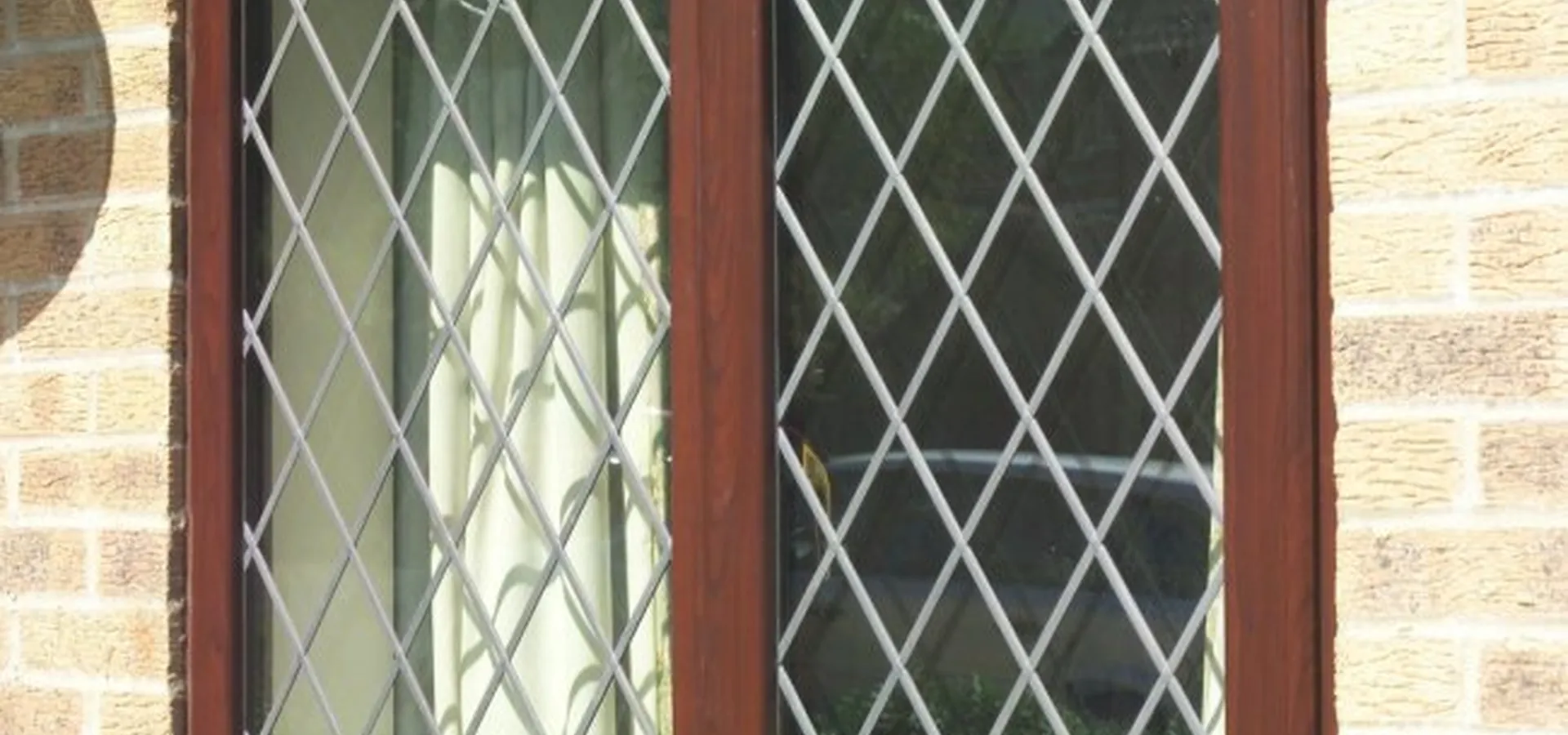
We make and fit secondary glazing in Clerkenwell. This page is for owners of listed homes, flats, period houses and homes on busy roads who want to keep their existing windows. You will learn how secondary glazing works, the types we fit, how it cuts noise and heat loss, what sets the price and the rules that apply.
Our team is FENSA registered, and every unit comes with a 10-year guarantee. If you would rather replace the windows, see our double glazing windows page or our main double glazing page.
What Secondary Glazing Is
Secondary glazing is a second, slim window fitted inside your existing one. It sits in the reveal or on the inside face of the frame. Your old window stays in place, untouched, on the outside.
The air gap between the two panes does the work. It slows heat loss and blocks sound. The outer window keeps its original look from the street, which is why councils often favour it on listed homes and in conservation areas.
The frames are slim aluminium, powder coated to match your room. From inside, a well-fitted unit is easy to miss.
Types of Secondary Glazing
We choose the type to suit how you use the window and the shape of the opening.
- Vertical sliding: slides up and down. The best match behind sash windows, as the meeting rails line up.
- Horizontal sliding: two or three panes slide side to side. Good for wide openings and for casements behind, like our sliding windows.
- Hinged: opens like a door, on side hinges. It gives full access to the window behind.
- Lift-out: a fixed panel that you can lift out in summer. Low cost and good for windows you rarely open.
- Fixed: sealed in place for the most sound and heat control on windows that never open.
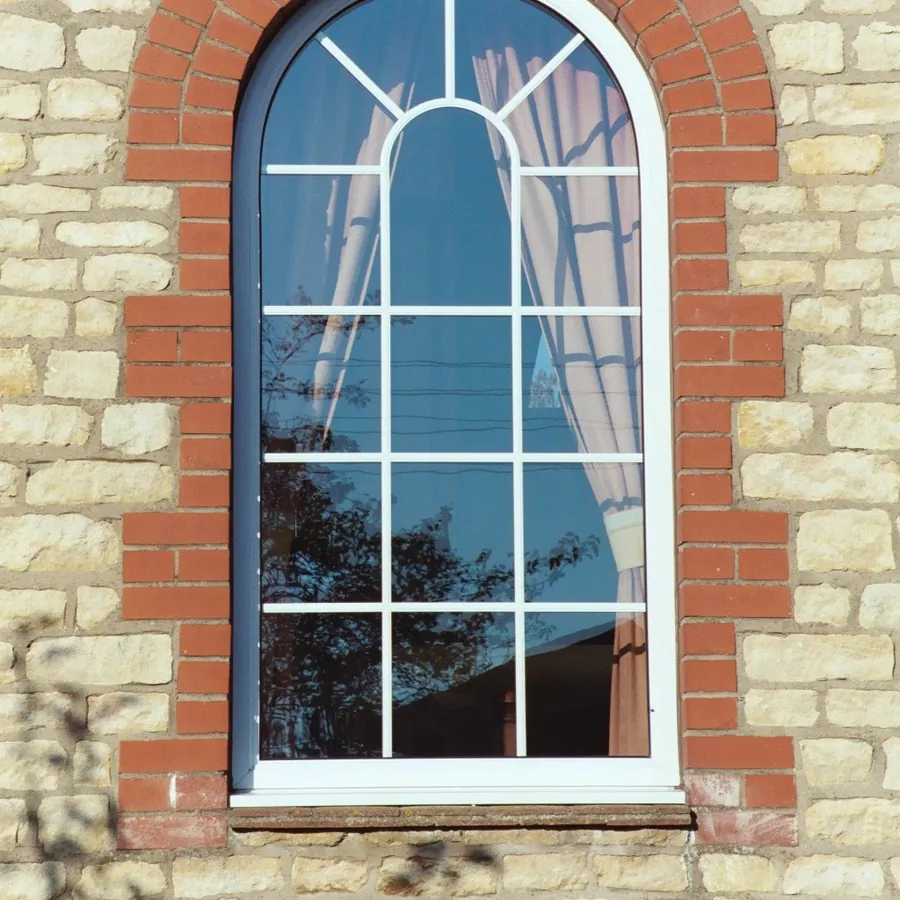
- Shaped units: arched, round or angled frames for bays and odd openings.
How It Cuts Noise and Heat Loss
Secondary glazing works in two ways. Each one depends on the gap between the panes.
Noise: sound passes through glass easily, but a deep air gap stops much of it. A gap of 100 to 200mm gives the best sound control. Using two panes of different thickness also helps, as each blocks a different range of sound. For the most noise control, we fit acoustic laminated glass.
Heat: for warmth, a gap of about 20 to 100mm works well. We use low-E glass on the inner pane to reflect heat back into the room. The new seals also stop the draughts that come through old frames.
Secondary glazing also adds security. A burglar now has two windows to get through, and the inner one locks.
The best results come from matching the glass to the main problem in each room:
- Bedroom on a main road: a deep gap and acoustic laminated glass.
- Cold living room: a smaller gap and low-E glass on the inner pane.
- Ground floor facing the street: laminated glass for extra security.
- Bathroom: obscure glass for privacy.
Our surveyor will look at each room and suggest the right mix, so you do not pay for glass you do not need.
How We Fit Secondary Glazing
Fitting is quick and clean, with no wet work and no change to the outside of your home.
- Survey. We measure each opening and check how deep the reveal is. We also check the cill and any shutters.
- Choose the type. We agree the opening style, glass and frame colour with you.
- Make to order. Each unit is built to fit your openings.
- Fit. We fix a slim sub-frame to the reveal, then fit the sashes and seals.
- Check and clean. We test each sash and lock and leave the room as we found it.
Most homes take one day. Our how we work page explains the full process from survey to aftercare. In short, we survey, quote in writing, make the units to measure and fit them.
What Drives the Cost of Secondary Glazing
We do not post fixed prices, as each unit is made to order. These are the main cost drivers:
- Size: large openings need more glass and frame.
- Type: sliding and hinged units cost more than lift-out panels.
- Glass: acoustic laminated and low-E glass cost more than plain glass.
- Shape: arched and shaped units take more work.
- Colour: special RAL colours cost more than white.
- Number of units: a whole room or floor works out better per window.
- Access: high or awkward windows may need a tower.
Our double glazing prices page shows how secondary glazing compares with full replacement. For your home, we carry out a free survey and send a written, fixed quote. You can request a quote online. The quote also sets out the payment stages.
Listed Buildings, Conservation Areas and Building Rules
Secondary glazing is often the only way to warm up a listed home. It leaves the old window in place and can be taken out later without harm. Many councils welcome it for that reason.
- Listed buildings: you may still need listed building consent. Talk to the council's conservation officer first.
- Conservation areas: secondary glazing is inside the home, so it rarely needs planning permission.
- Flats: it is a good choice where the lease does not allow new outer windows. Check with the freeholder.
- Fire escape: in bedrooms and upper rooms, we fit a type that opens fully, so the escape route stays clear.
To keep the gap dry, the outer window should be less tightly sealed than the inner one. Then any damp air in the gap can escape outside. We check this at survey.
Secondary Glazing or Replacement?
Choose secondary glazing when you must keep your windows, when noise is the main issue, or when you rent or live in a flat. It is also the best fix for a listed home.
Choose replacement windows when the old frames are rotten, the council allows new frames, and you want the lowest upkeep. If you want a modern window that opens two ways, see our tilt and turn windows. They suit flats and high rooms, as you can clean them from inside.
Frequently Asked Questions
Does secondary glazing add value to a property?
It makes a home warmer and quieter, which buyers notice. On a listed home, it also keeps the original windows, which protects the character that gives the house its value. The effect on price depends on your home and area. The main gain is comfort for you now, with lower heat loss and far less noise.
Can homeowners fit secondary glazing themselves?
Simple lift-out kits can be fitted at home, but they rarely seal well. Made-to-measure sliding and hinged units need careful measuring and fixing to work as they should. A poor fit lets air and sound round the edges. Our units are made for your openings and come with a 10-year guarantee.
Is secondary glazing suitable for listed buildings?
Yes, and it is often the option councils prefer. It sits inside, does not touch the old window and can be removed later. You may still need listed building consent, so speak to the conservation officer first. We use slim frames and line up the rails with your sashes so the units are hard to see from the street.
What upkeep does secondary glazing need?
Very little. Wipe the frames and glass with warm, soapy water. Open the units now and then to clean the inner face of your old window. Keep the tracks free of dust so the sashes slide well. Check that the outer window can still breathe, so the gap stays clear and dry.
Does secondary glazing cut down on natural light?
Only a little. The frames are slim and sit behind the frame of your old window, so they block very little of the glass. Clear low-E glass lets most daylight through. Keep both sets of glass clean and you will barely notice a change. For the best light, line up the frame rails with the bars of the outer window.