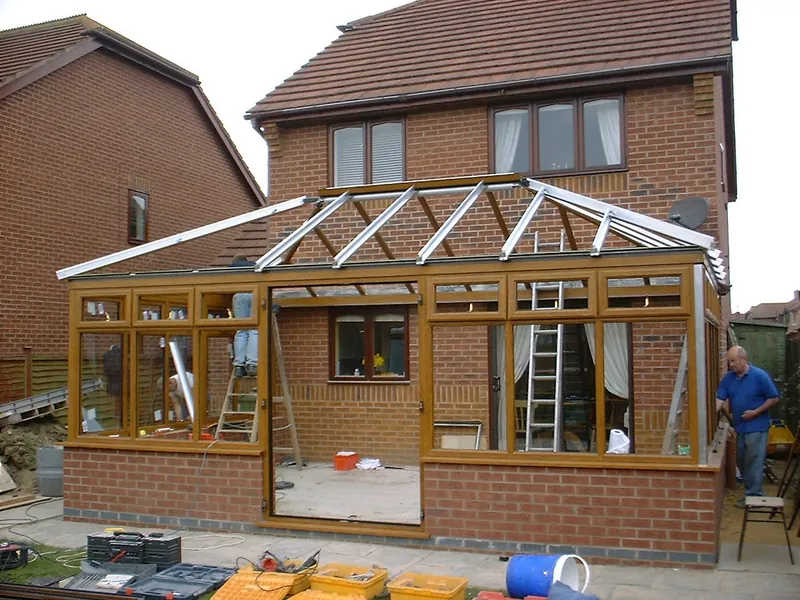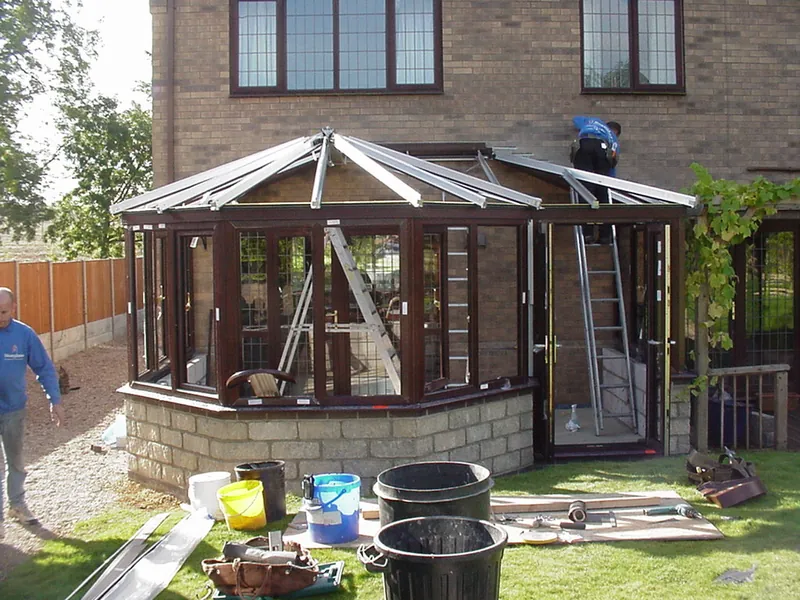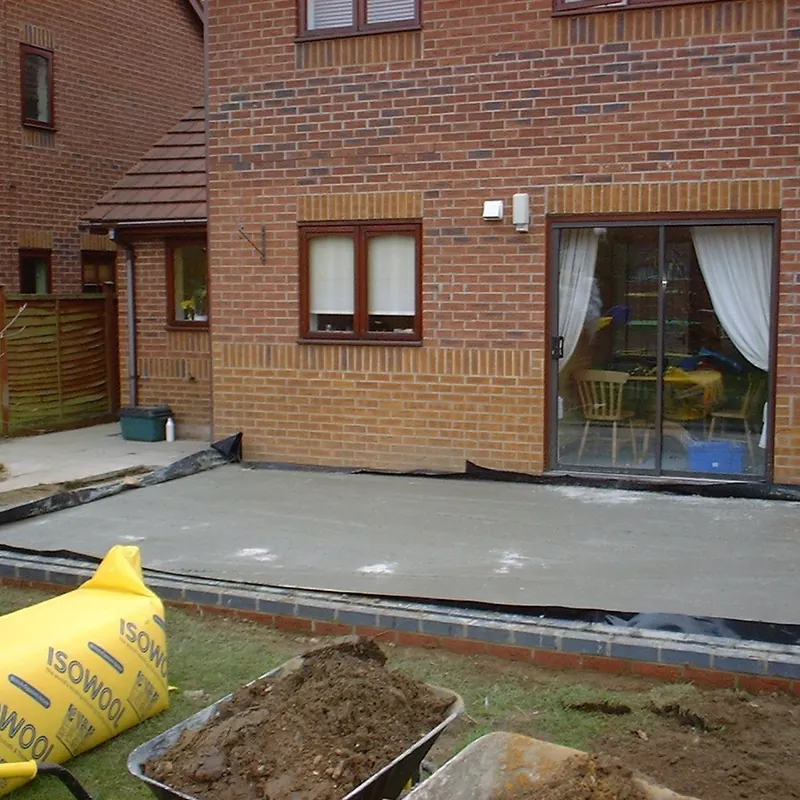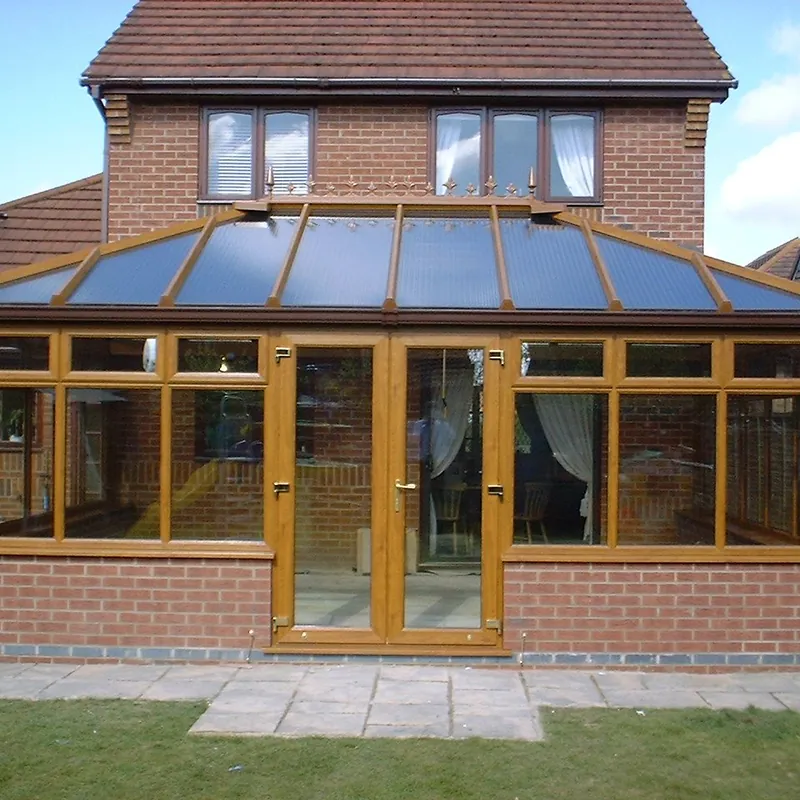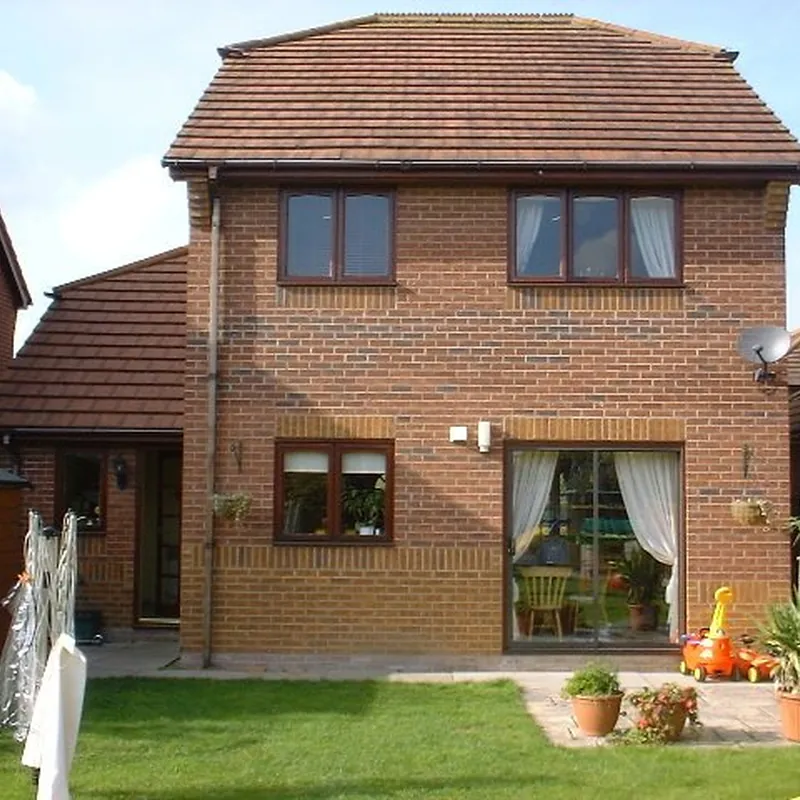
We replace conservatory roofs in Clerkenwell, swapping old, tired roofs for new glass, solid or hybrid roofs. This page is for you if your conservatory is too hot in summer, too cold in winter, or the roof leaks and looks worn. You will find out what roof types there are, how the job is done, what sets the cost and what rules apply.
Many conservatories built in past decades have a thin polycarbonate roof. It lets heat out in winter, traps heat in summer and is loud in the rain. A new roof can turn the room into a space you use all year, often without the cost of a full rebuild. If the frames and base are sound, we keep them and change only what is needed.
All our work is carried out by FENSA registered fitters and backed by a 10-year guarantee. For new builds, see our full range of conservatories.
Roof Types You Can Choose
There are three main ways to replace a conservatory roof. Each one changes how the room feels.
- Glass roof: new sealed glass units in a modern frame. You keep the bright, open feel, but with far better heat control than polycarbonate.
- Solid tiled roof: an insulated warm roof with lightweight tiles or slates on top and a plastered ceiling inside. The room feels like part of the house.
- Hybrid roof: a solid roof with glass panels or a roof lantern set in it. You get warmth and light in one roof.
A solid roof with a roof lantern is a popular middle ground. The lantern lets light pour into the centre of the room, while the solid parts keep the heat steady. It works well on large rooms and on Edwardian conservatories, where the square shape suits a central lantern.
Glass Roof Options
If you want to keep a glass roof, the glass you pick makes a big difference. Modern roof glass comes with coatings that tackle the old problems:
- Solar control glass: reflects much of the sun's heat, so the room stays cooler on bright days.
- Low-E coating: keeps warmth in during winter.
- Self-cleaning glass: a coat that breaks down dirt and lets rain wash it off.
- Tints: blue, grey or neutral tints cut glare and add a little privacy.
A double glazed roof unit with argon gas will reach a centre pane U-value of around 1.0 to 1.2 W/m²K. That is a big step up from old polycarbonate sheets. Glass is also much quieter in heavy rain.
Solid and Tiled Roofs
A solid roof is the best choice if you want the room to feel like a true extension. We fit a timber or steel framed roof with thick insulation, a breathable membrane and lightweight tiles on top. Inside, you get a smooth plastered ceiling. We can add spotlights, a ceiling fan or speakers.
Solid roofs are heavier than glass, so we check the frames and base before we start. Where needed, we add a ring beam or extra posts to carry the load. Lightweight tiles keep the weight down while still looking like a real roof. You can pick tiles to match or suit the main house.
Some people go one step further and turn the room into a garden room, with solid walls and smaller windows. That is a bigger job, but it uses the same kind of warm roof.
Planning and Building Regulations
Replacing a roof on the same footprint does not often need planning permission. But there are cases where you should check, such as a listed building, a home in a conservation area, or where past rights have been removed.
Building Regulations are a different matter. A like-for-like glass roof is often exempt. A solid roof, though, changes how the room works, so it will need Building Regulations approval in most cases. The building inspector checks the structure, the insulation and the link to the house. We handle this for you and give you the sign-off when the work is done.
You can see the schemes we belong to on our accreditations page.
What Drives the Cost of a New Roof
We do not list fixed prices, as each roof is made to measure. These are the main things that affect your quote:
- Size and shape: a large, many-sided roof takes more work than a small lean-to.
- Roof type: a solid tiled roof costs more than a glass roof, and a hybrid sits in between.
- Glass spec: solar control and self-cleaning glass cost more than standard units.
- Extras: roof lanterns, roof vents, lights and plastering all add to the price.
- Frame and base: if the frames or base need work to carry the load, this is added.
- Access: tight side paths or a need for scaffold can affect the cost.
Every job starts with a free survey. After that, you get a written, fixed quote with no hidden extras, and the payment stages set out in full. You can ask for one on our get a quote page.
How the Job Is Done
Most roof swaps take a few days on site. We strip the old roof, check the frame tops, fit the new roof and make the house wall watertight. On a solid roof, plastering and electrics follow. We keep the room covered at night so your home stays dry.
Our how we work page sets out each stage, from the survey and order to fitting day and aftercare.
Looking After Your New Roof
A new roof needs little care, but a few small tasks keep it in good shape:
- Clear leaves from the gutters in spring and autumn.
- Rinse a glass roof with clean water from a hose, even if it is self-cleaning.
- Check the seals and flashing once a year for cracks or gaps.
- Do not climb on the roof or lean ladders on it.
Frequently Asked Questions
How do you choose the right roof material for a conservatory?
Think about how you want to use the room. If you love the light and use the room mostly from spring to autumn, a modern glass roof with solar control may be enough. If you want a room you can use every day of the year, a solid tiled roof is warmer and quieter. A hybrid roof with a lantern gives you some of both. We help you weigh it up at the survey.
How long does a new conservatory roof last?
A well fitted glass or solid roof should last for many decades with basic care. Sealed glass units may need new seals or units at some point, and gutters need clearing each year. Solid roofs with good tiles and a breathable membrane last as long as a normal house roof. Your new roof is also covered by our 10-year guarantee.
Can a homeowner replace a conservatory roof alone?
It is not a good idea. The roof has to be safe, watertight and strong enough for its own weight, snow and wind. A solid roof also needs Building Regulations sign-off. Mistakes can lead to leaks, damp and even a roof that sags. A trained, registered fitter checks the frames and base, fits the roof right and gives you the paperwork you need.
Is planning permission needed for a roof replacement?
In most cases, no, as long as the size and shape of the conservatory stay the same. You may need it if your home is listed, sits in a conservation area or has had its rights removed. A solid roof does need Building Regulations approval in most cases. We check this at the survey and deal with the building control side for you.
How should a new conservatory roof be maintained?
Keep it simple. Clear the gutters twice a year so water runs away freely. Rinse a glass roof with a hose now and then, and clean the inside with a soft cloth and mild soap. Look at the seals and flashing once a year. If you spot a drip or a damp patch, call us early, as small fixes are quick.
Want to see more of what we do? Visit our home page.